
Barcelona, Spain
Overview
Barcelona: Indulge in the vibrant culture, stunning architecture, and delicious tapas of this captivating city. From the whimsical architecture of Gaudí to the lively atmosphere of Las Ramblas, Barcelona offers an unforgettable experience.
Best Time to Travel
Best Months
April to early June and September to October
During these optimal periods, Barcelona enjoys mild to warm temperatures, abundant sunshine, and comfortable conditions, perfect for sightseeing and outdoor dining.
Months to Avoid
July and August due to intense heat and large crowds; December to February for cooler temperatures and higher chance of rain.
Consider visiting during other months
Peak Season
July and August
Expect larger crowds and higher prices
Top Things to Do

Plaça de Catalunya

Museu de Sant Boi de Llobregat

Museu de la Ciència i de la Tècnica de Catalunya

Església romànica de Santa Maria de Cervelló

Casa Duran

Sabadell Art Museum

Castell de Subirats

Basílica de la Sagrada Família

Park Güell

La Pedrera - Casa Milà

Capella d'en Marcús

Can Cargol

Can Cortada

Casa Batlló

Sant Sebastià de Montmajor

Palau Güell

Picasso Museum Barcelona

Palau de la Música Catalana

Spotify Camp Nou

Palau Sant Jordi barcelona

Hotel Pulitzer

Grand Hotel Central

Sallès Hotel Pere IV

Hotel Best Front Maritim Barcelona

Hotel Best 4 Barcelona
Recommended Hotels
Search All Hotels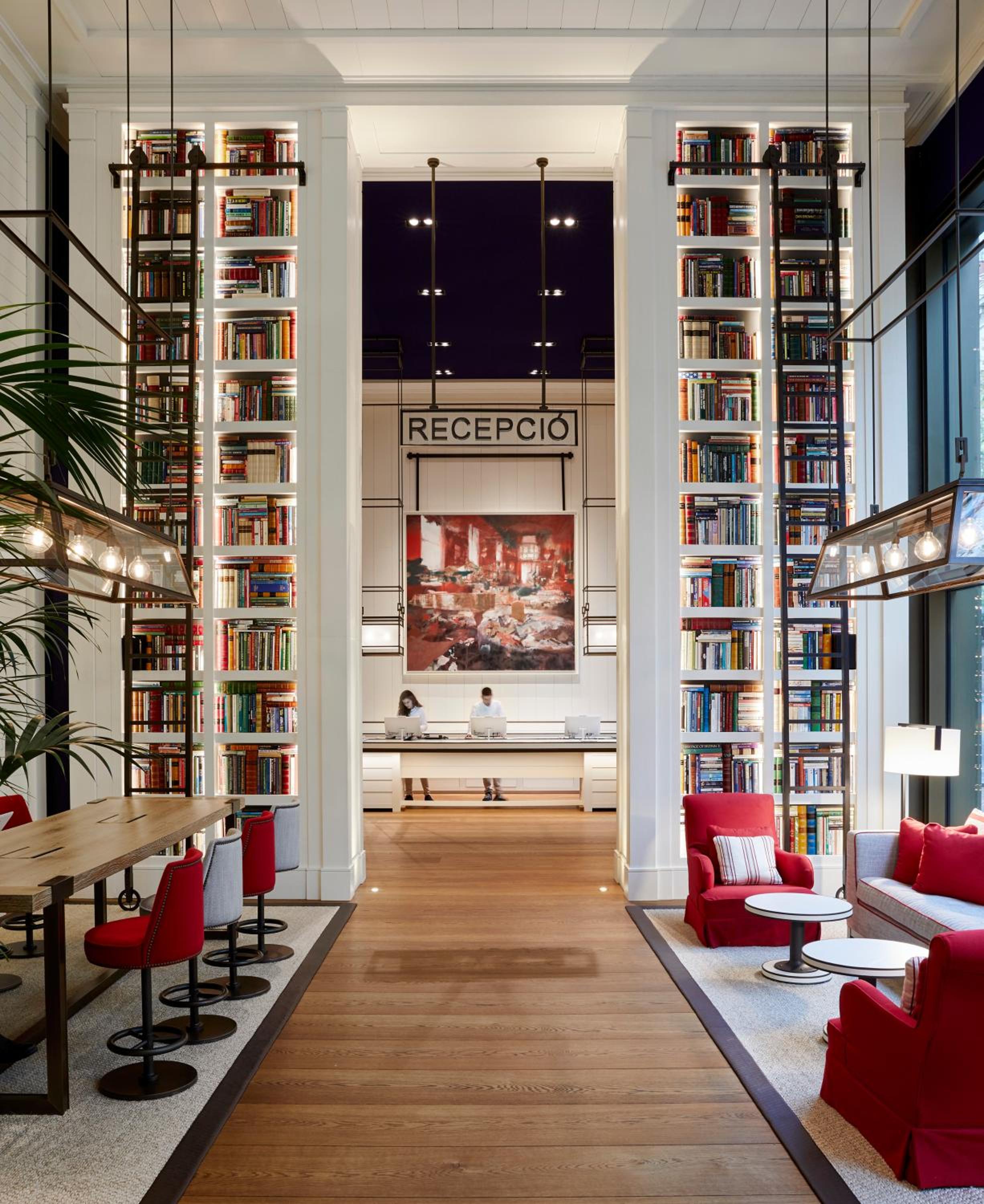
Seventy Barcelona
Carrer de Còrsega 344
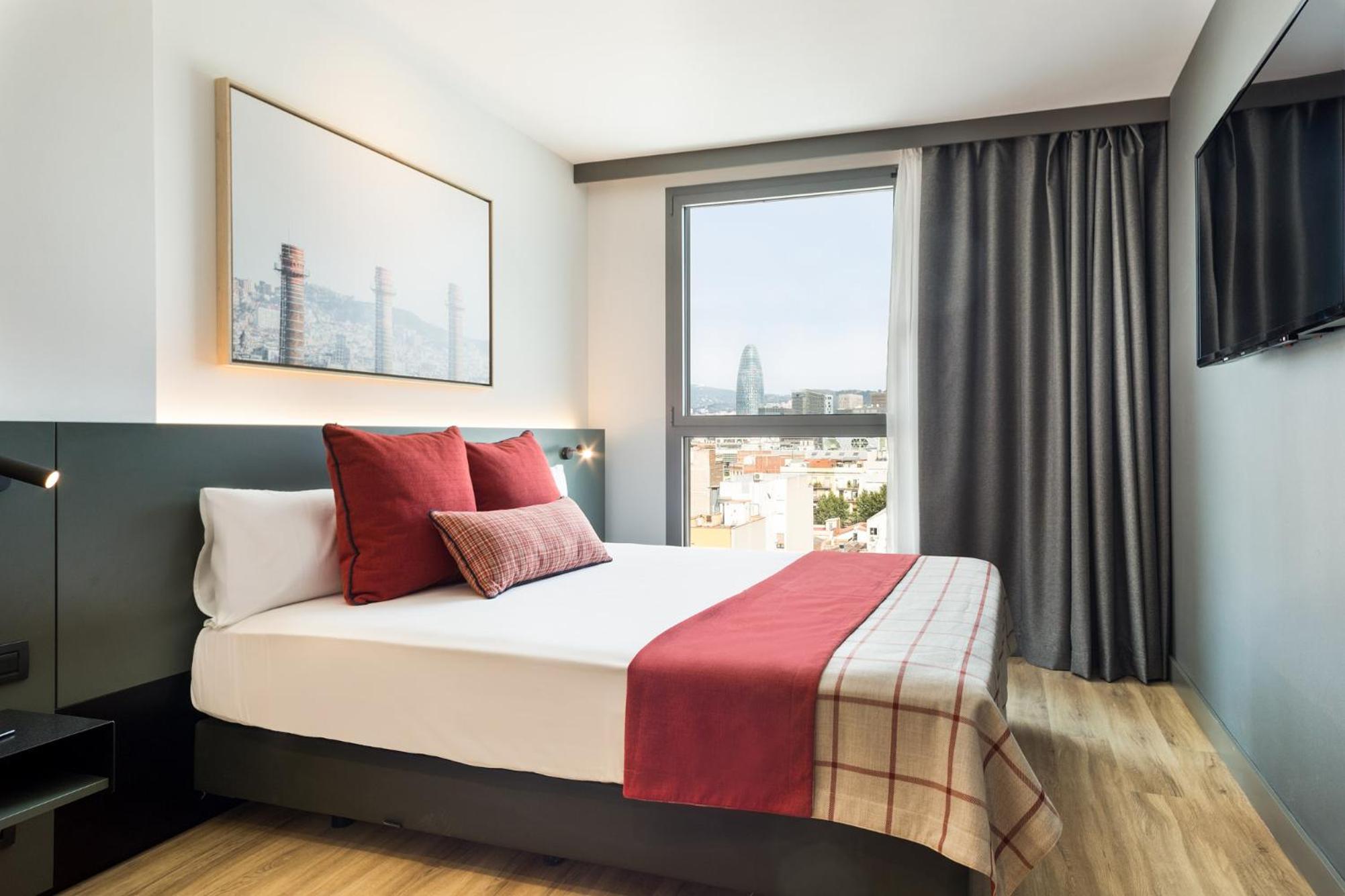
Acta Voraport
Ramón Turró 169-B
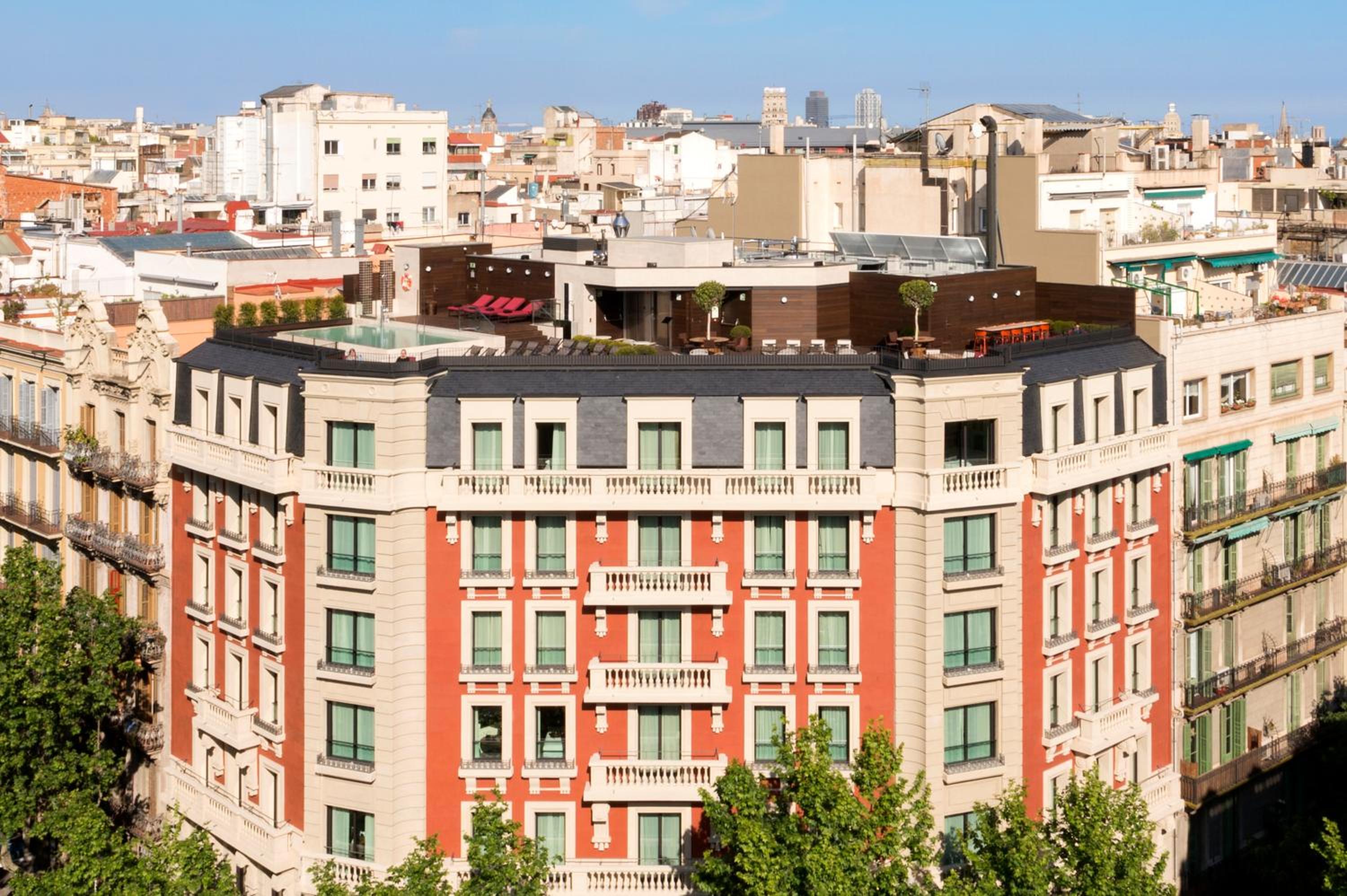
The Corner Hotel
Mallorca 178
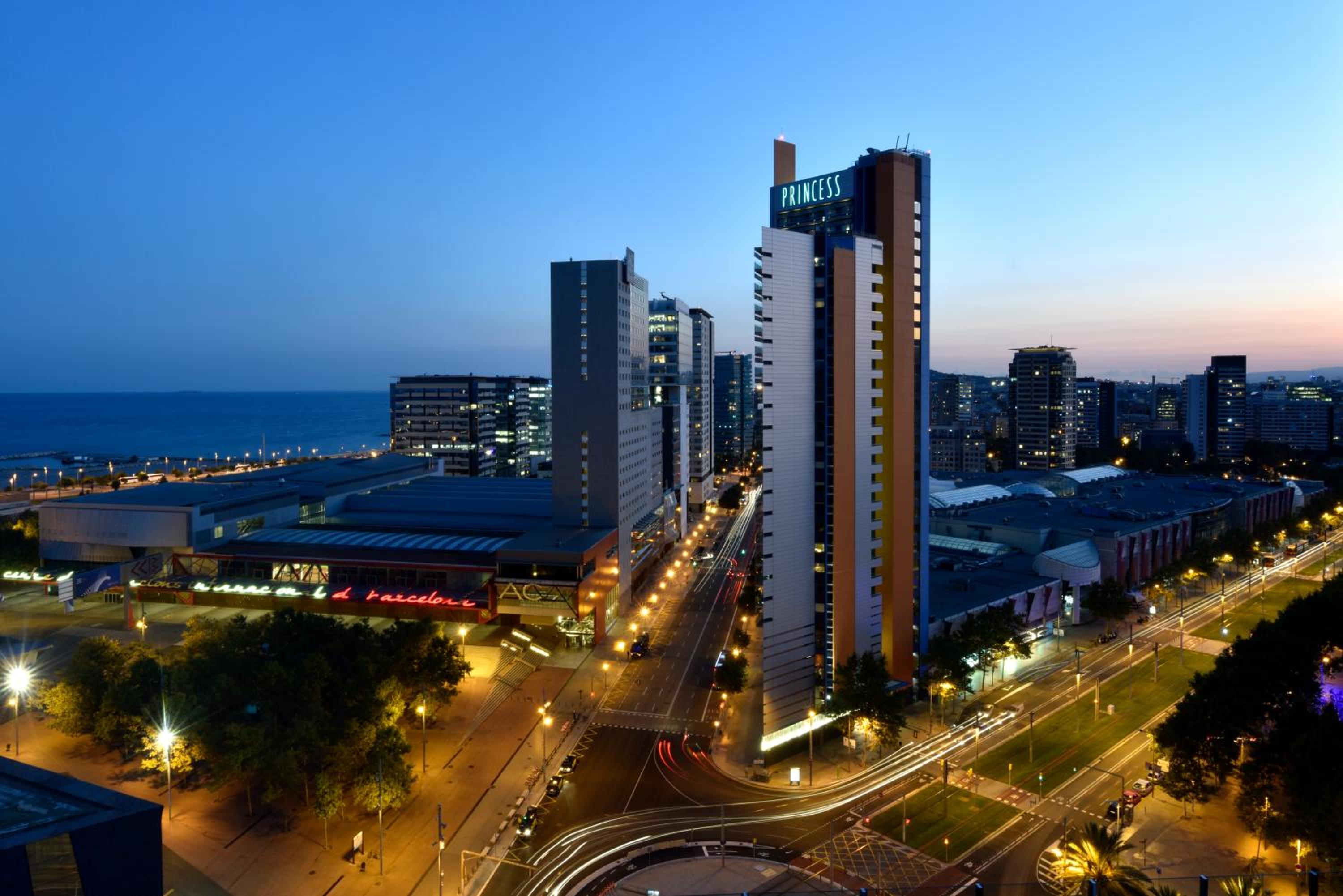
Barcelona Princess
Avinguda Diagonal 1
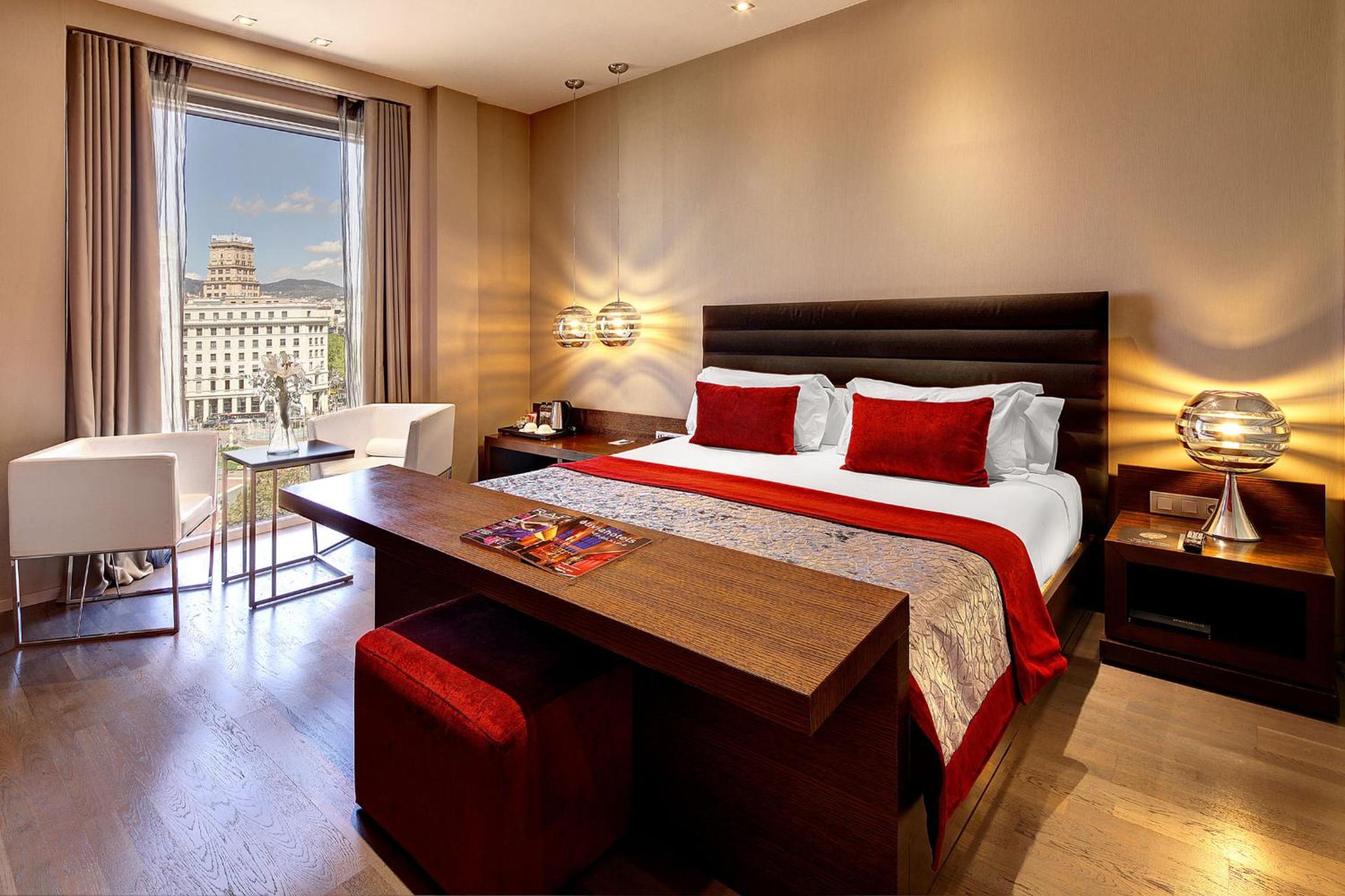
Olivia Plaza Hotel
Plaza Cataluña 19
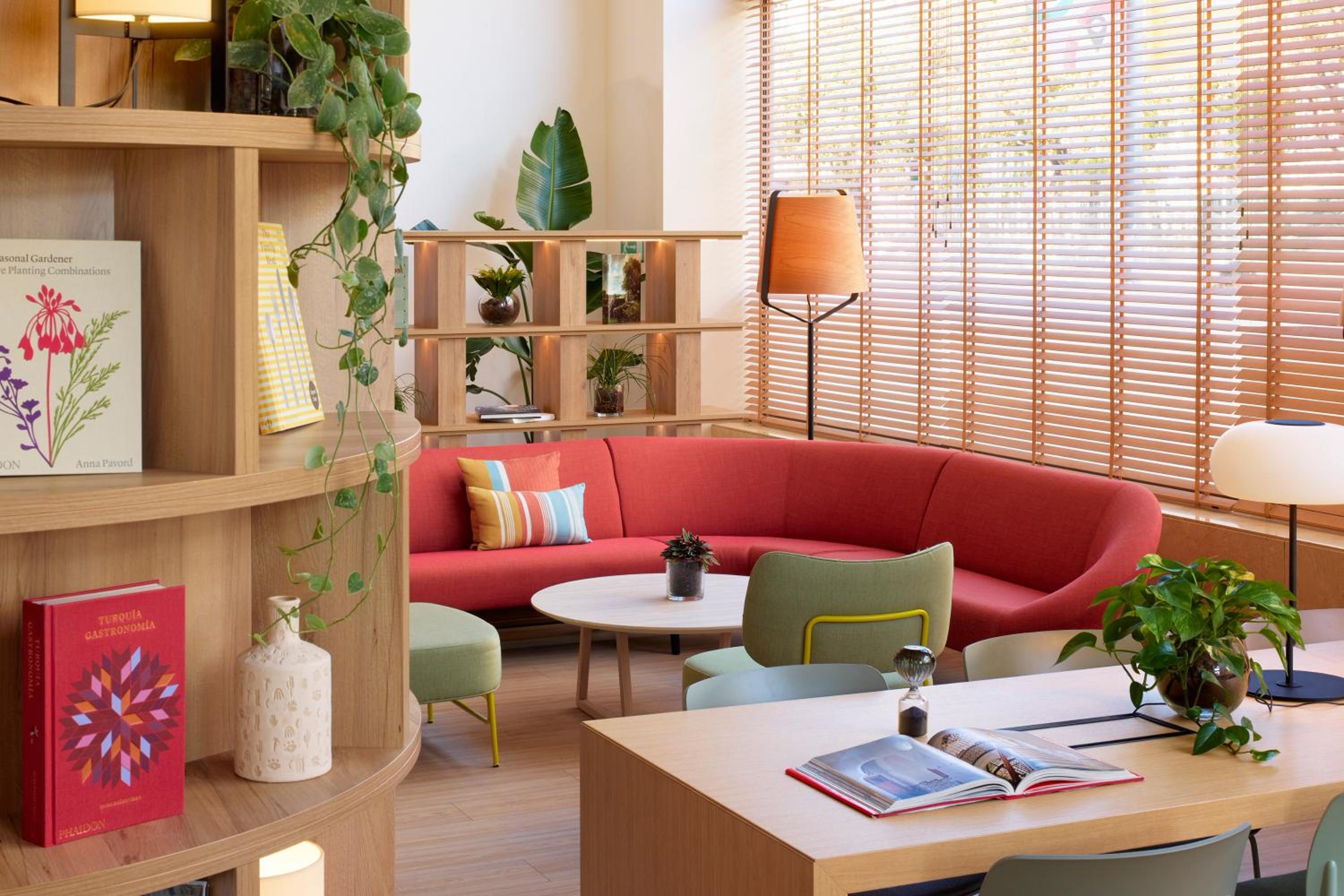
INNSiDE by Meliá Barcelona Apolo
Avinguda del Paral.lel, 57-59
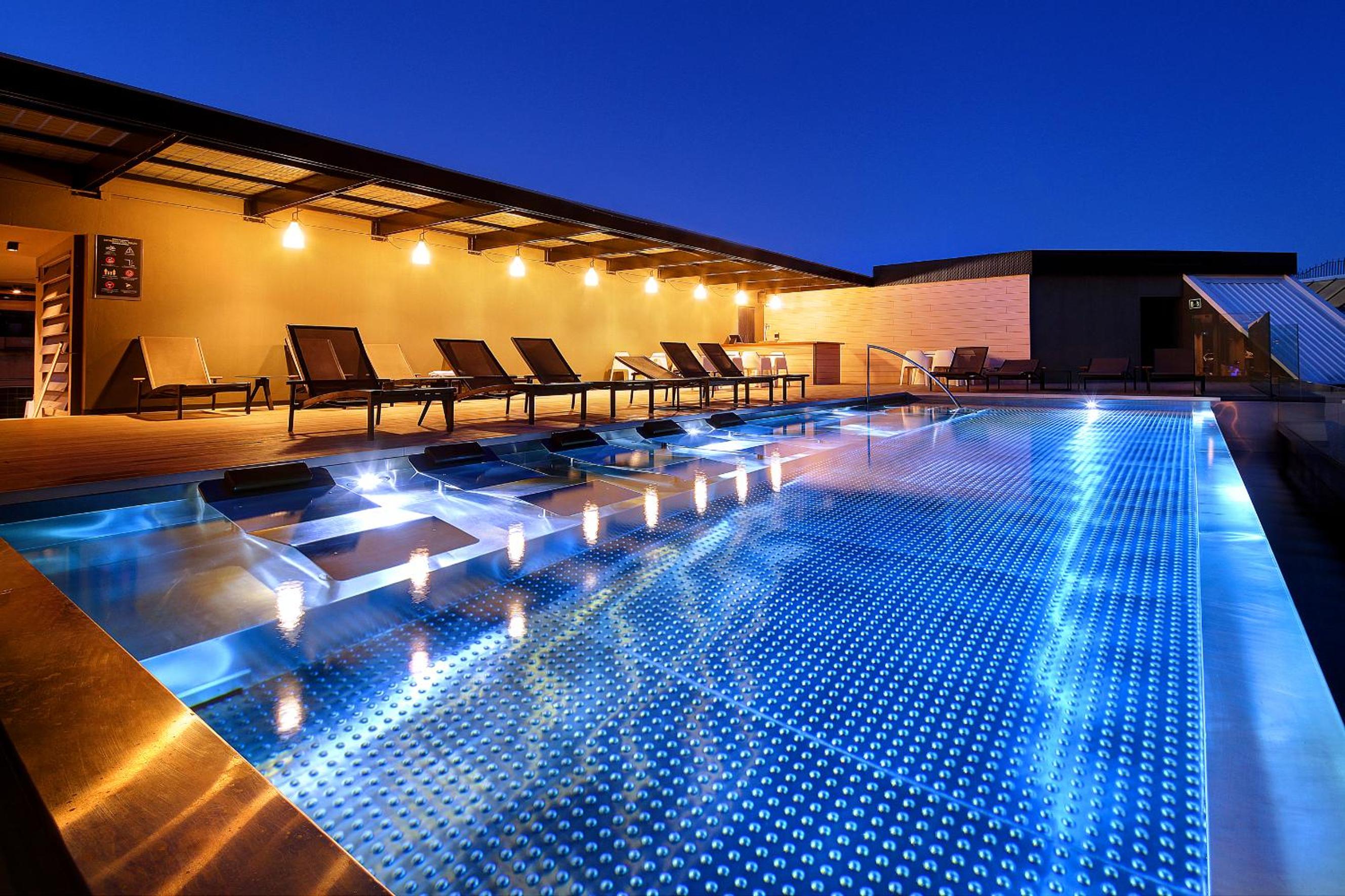
Olivia Balmes Hotel
Carrer de Balmes, 117
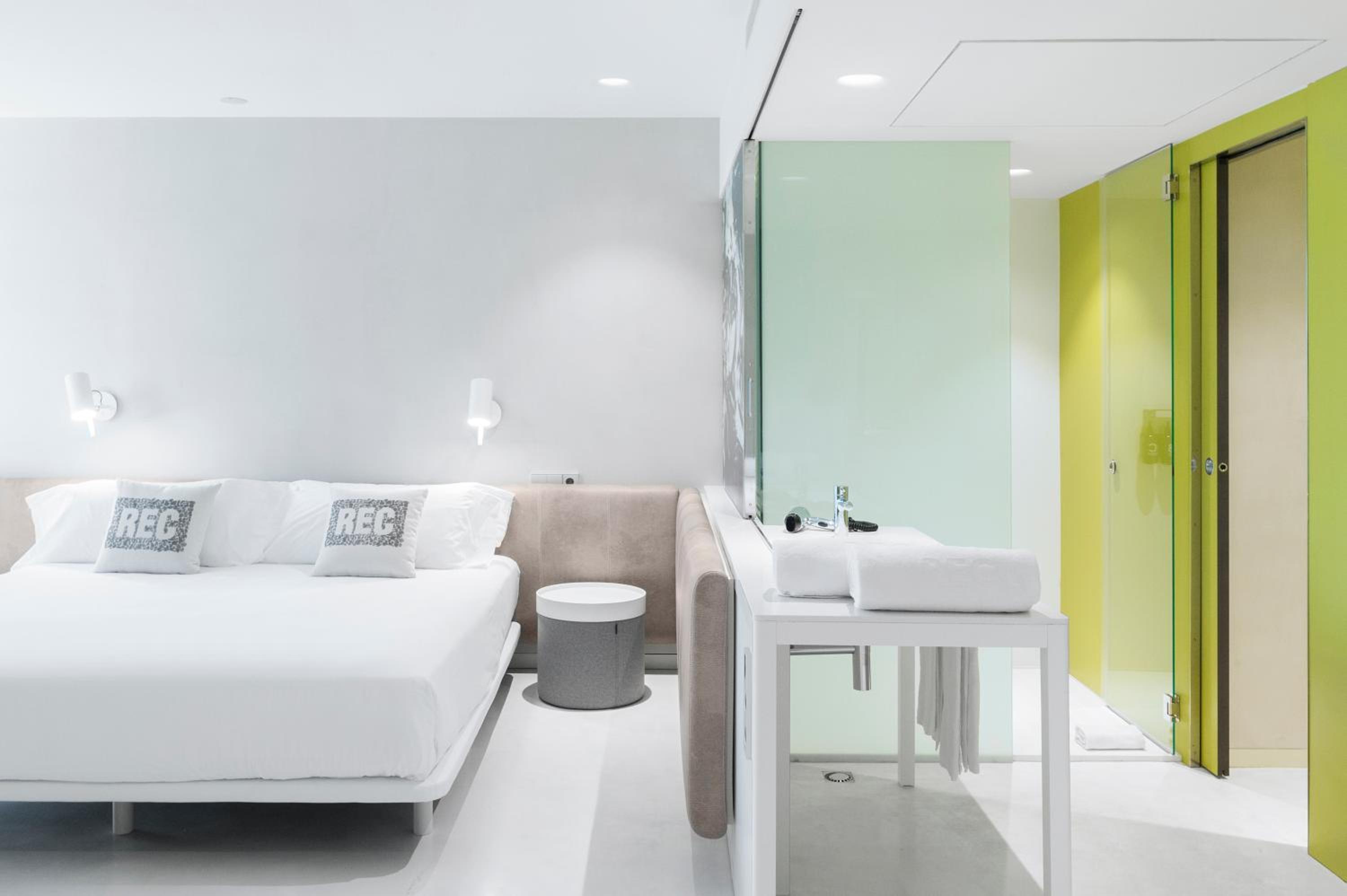
Hotel Rec Barcelona - Adults Only
Carrer del Rec Comtal, 19
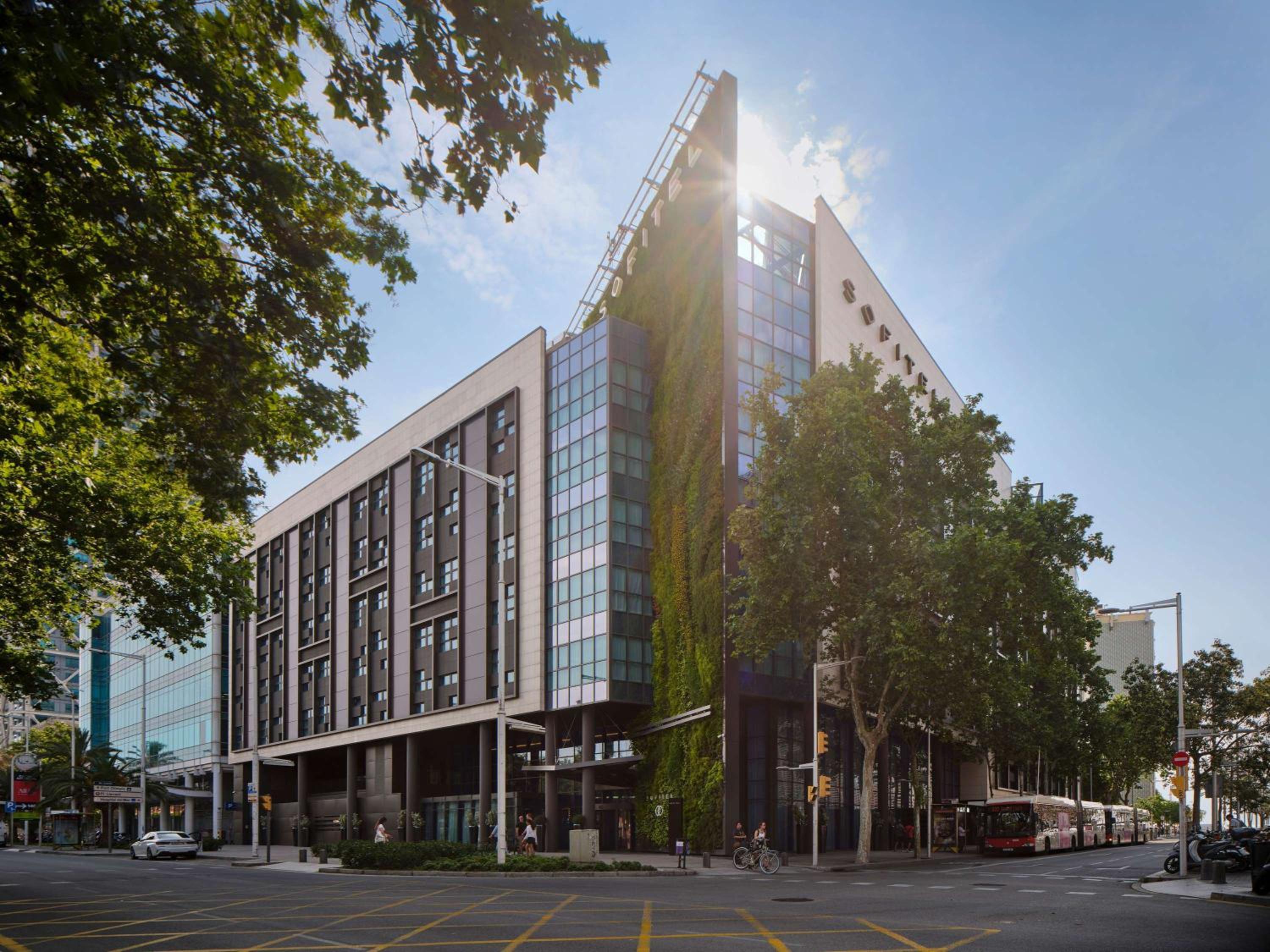
Sofitel Barcelona Skipper
Avinguda Litoral 10
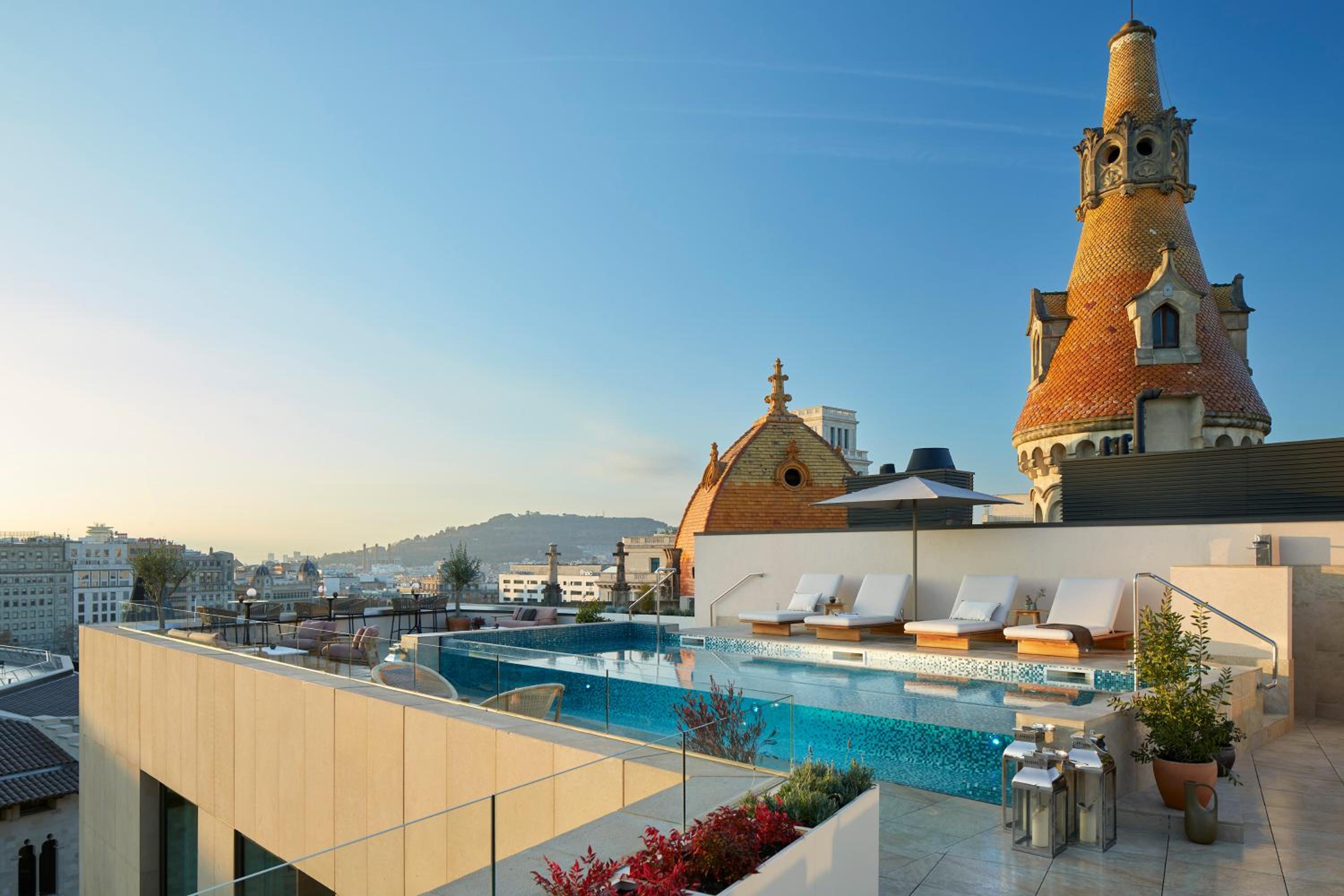
ME Barcelona
Caspe 1-13
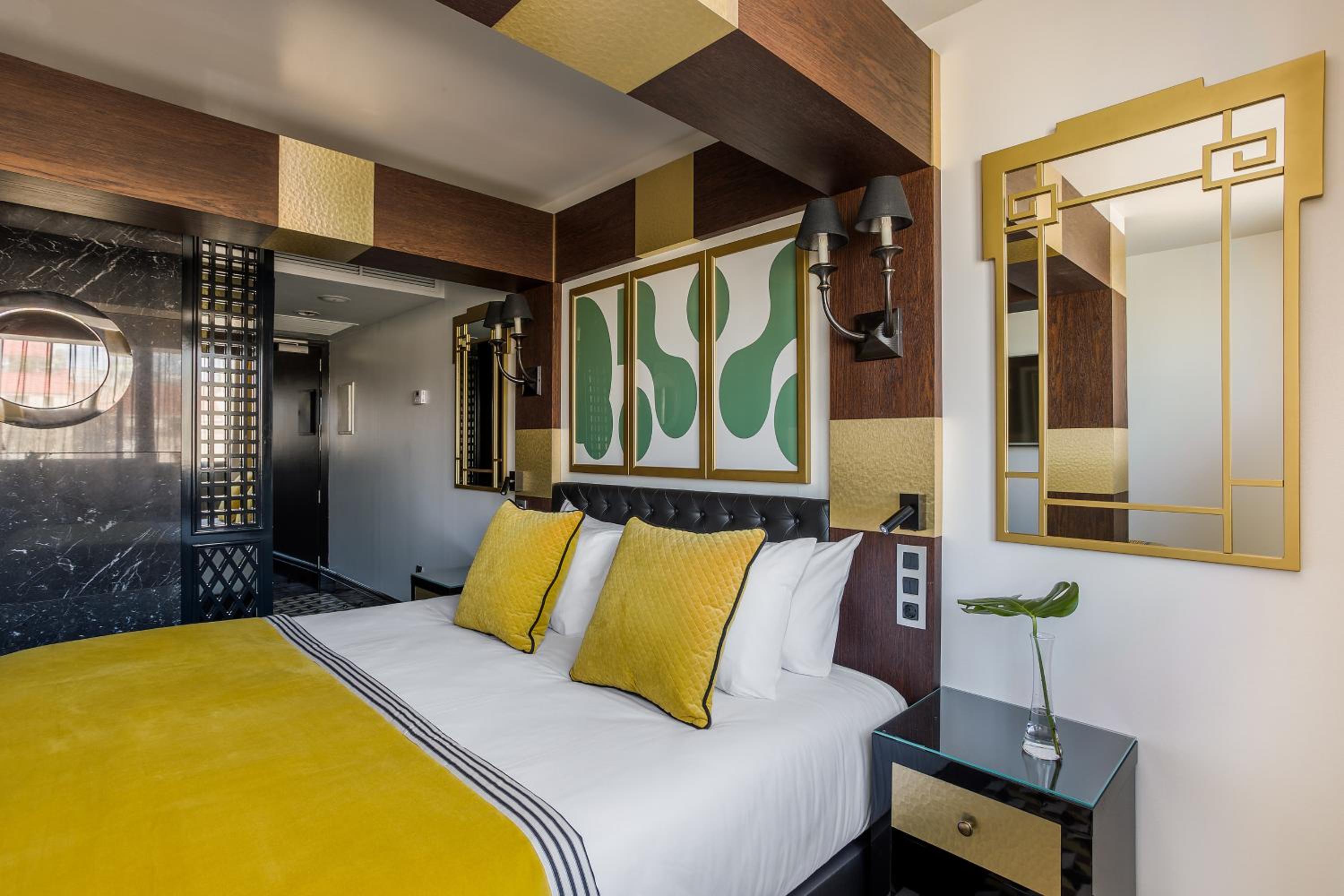
Room Mate Anna, Barcelona
Carrer de Aragó 271
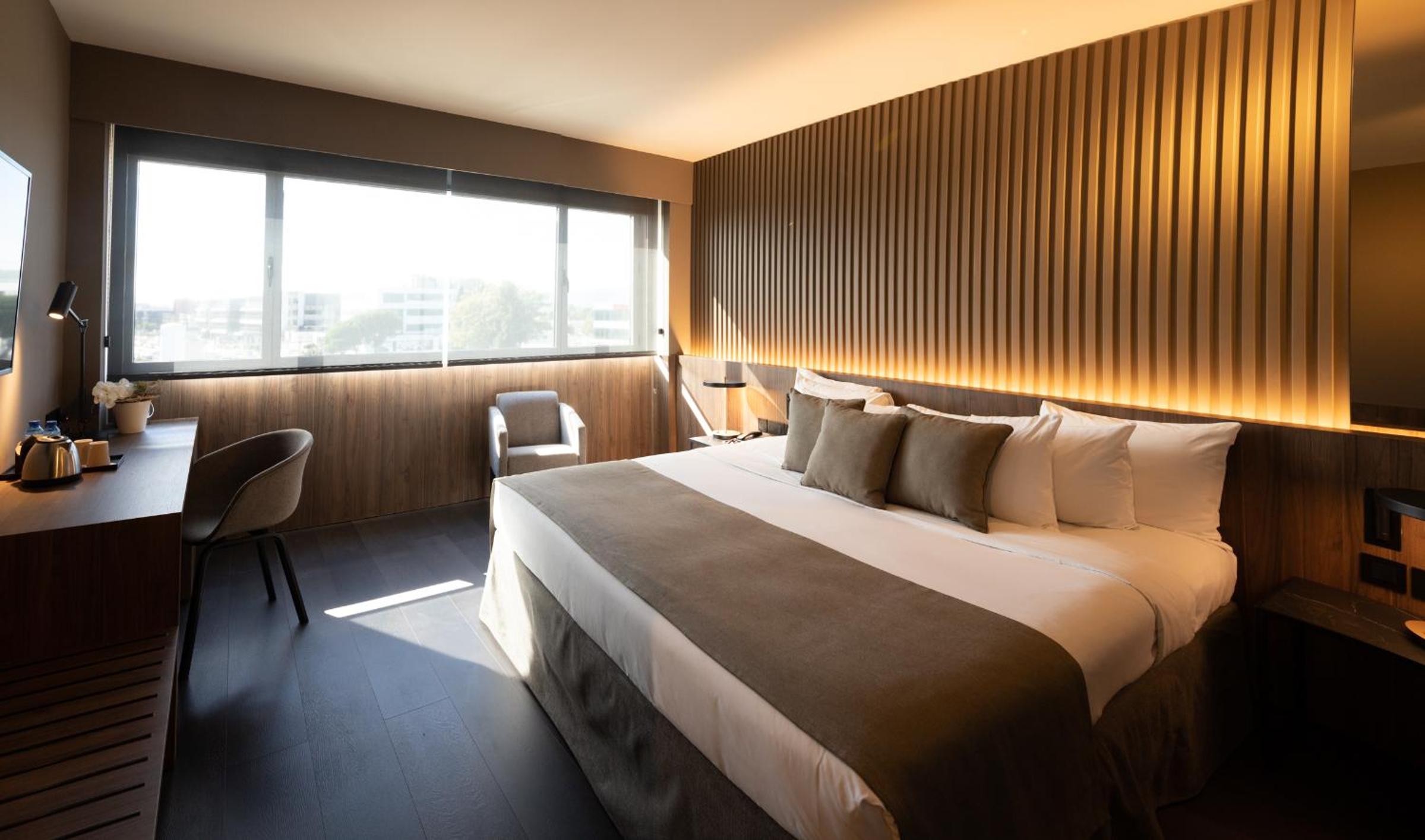
BAH Barcelona Airport Hotel
Plaza de la Volateria, 3
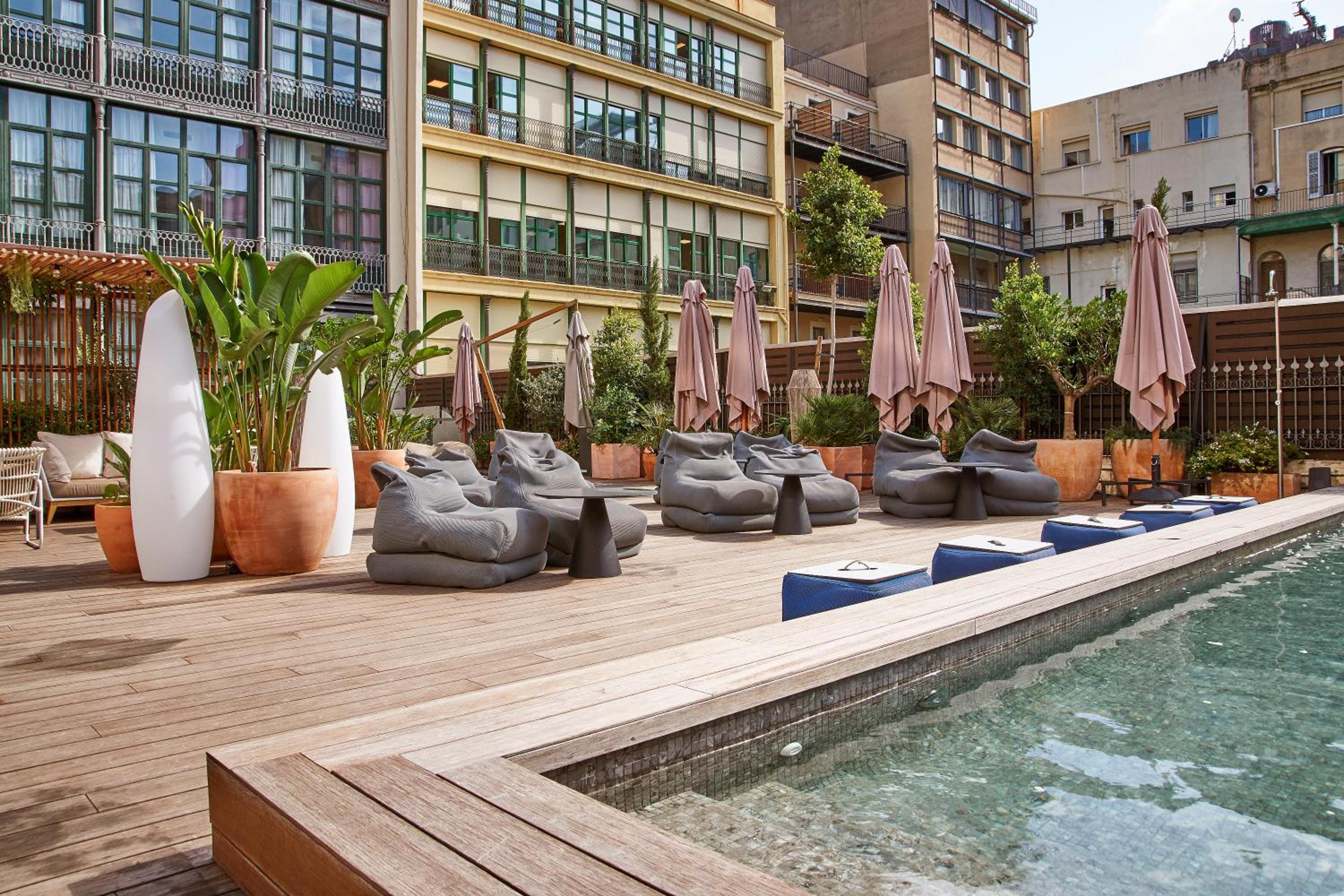
ICON Bcn
Carrer de Roger de Lluria, 21
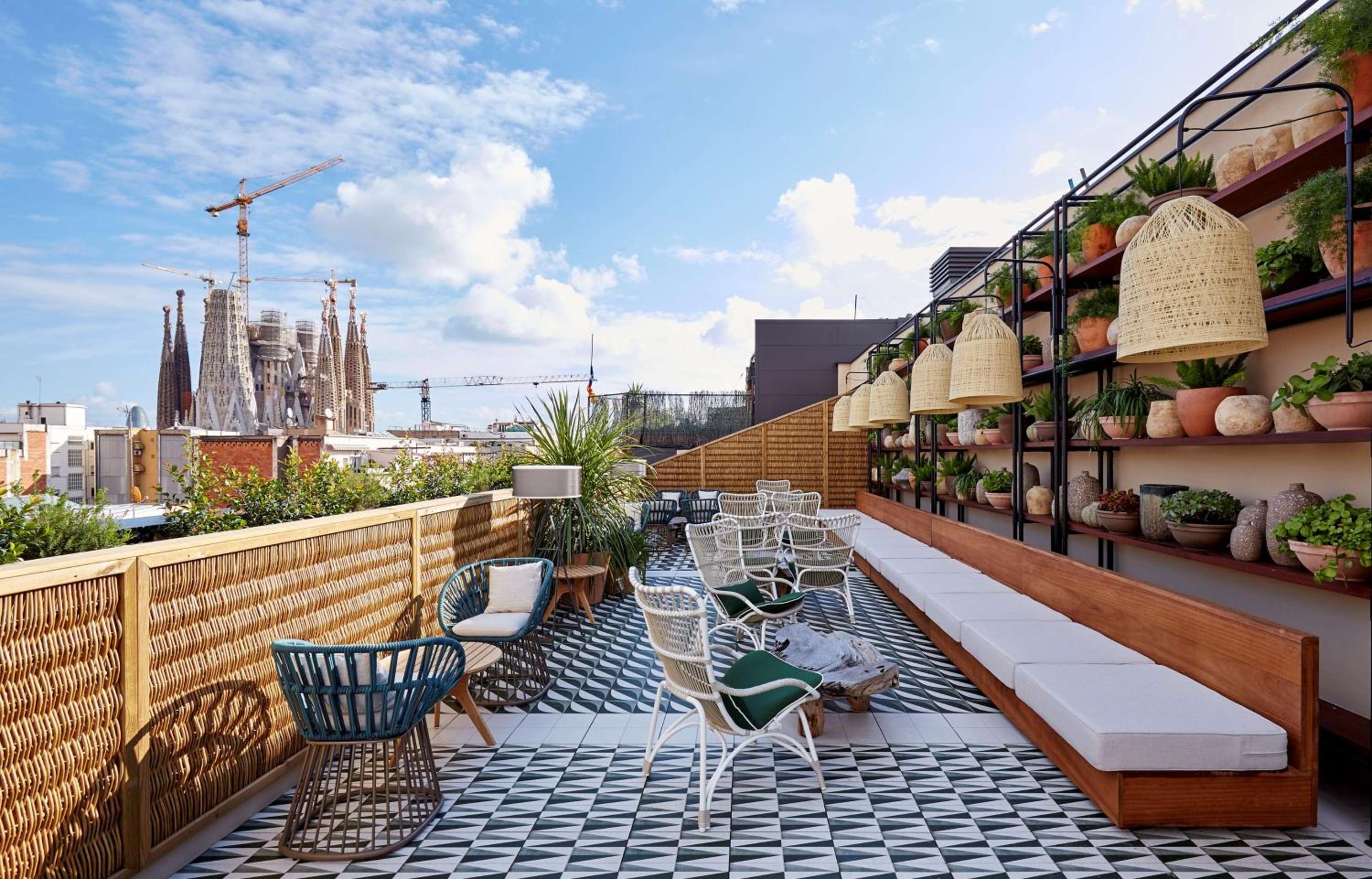
Radisson Blu 1882 Hotel, Barcelona Sagrada Familia
Carrer de Còrsega 482
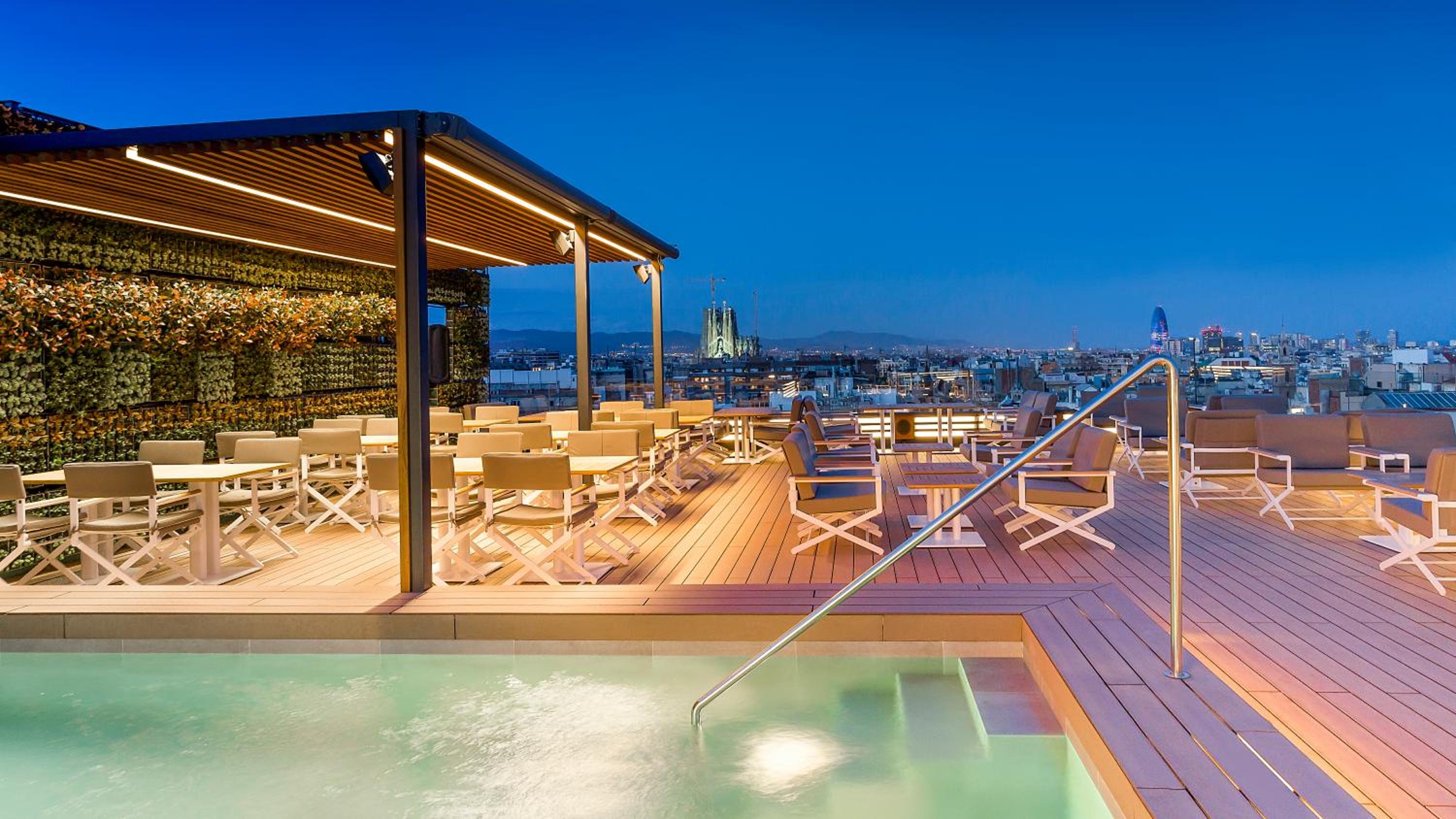
Majestic Hotel & Spa Barcelona GL
Passeig De Gracia, 68
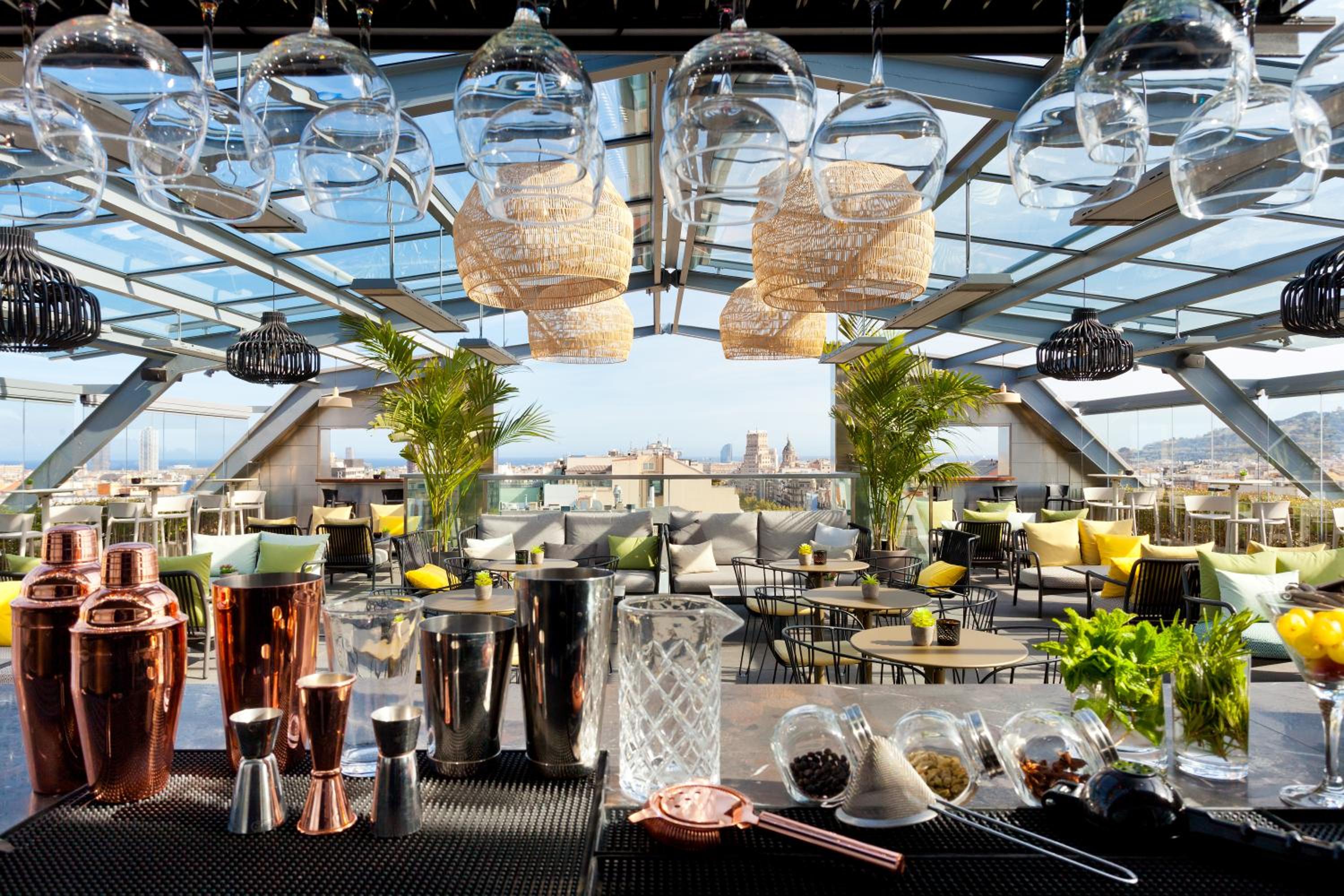
Hotel Royal Passeig de Gracia
Passeig De Gracia, 84
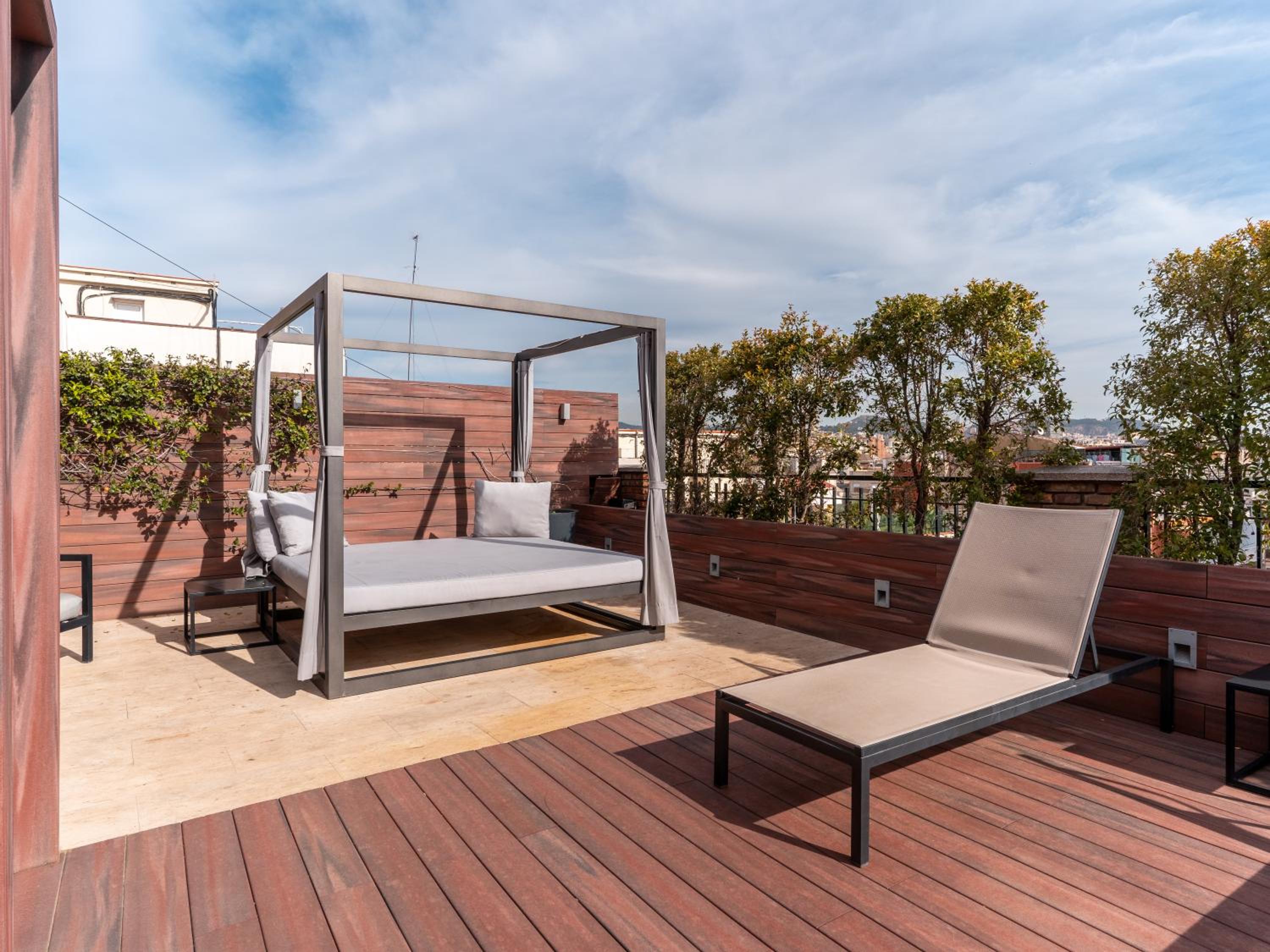
U232 Hotel
Comte D'urgell 232
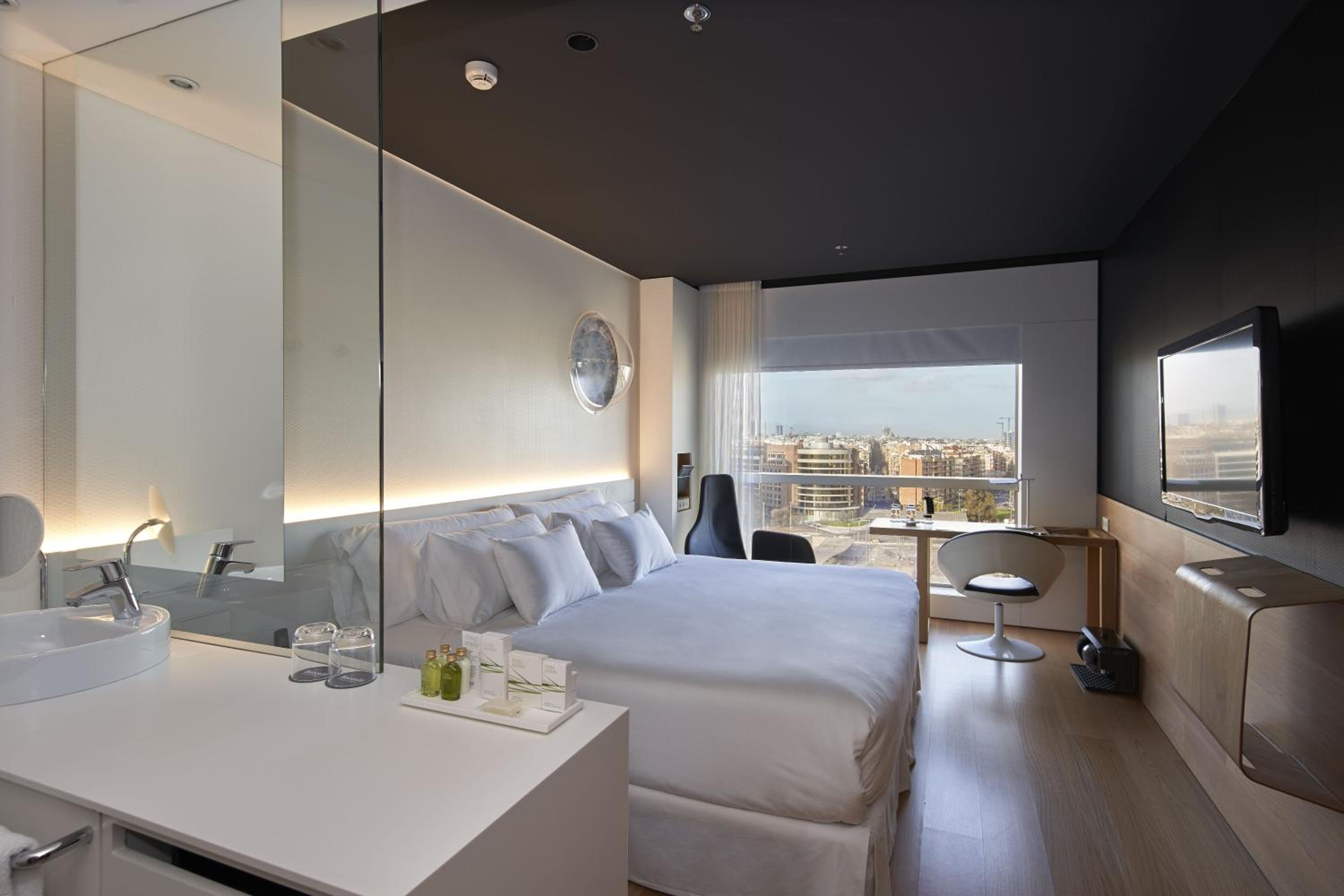
Barceló Sants
Plaza Dels Paisos Catalans S/n
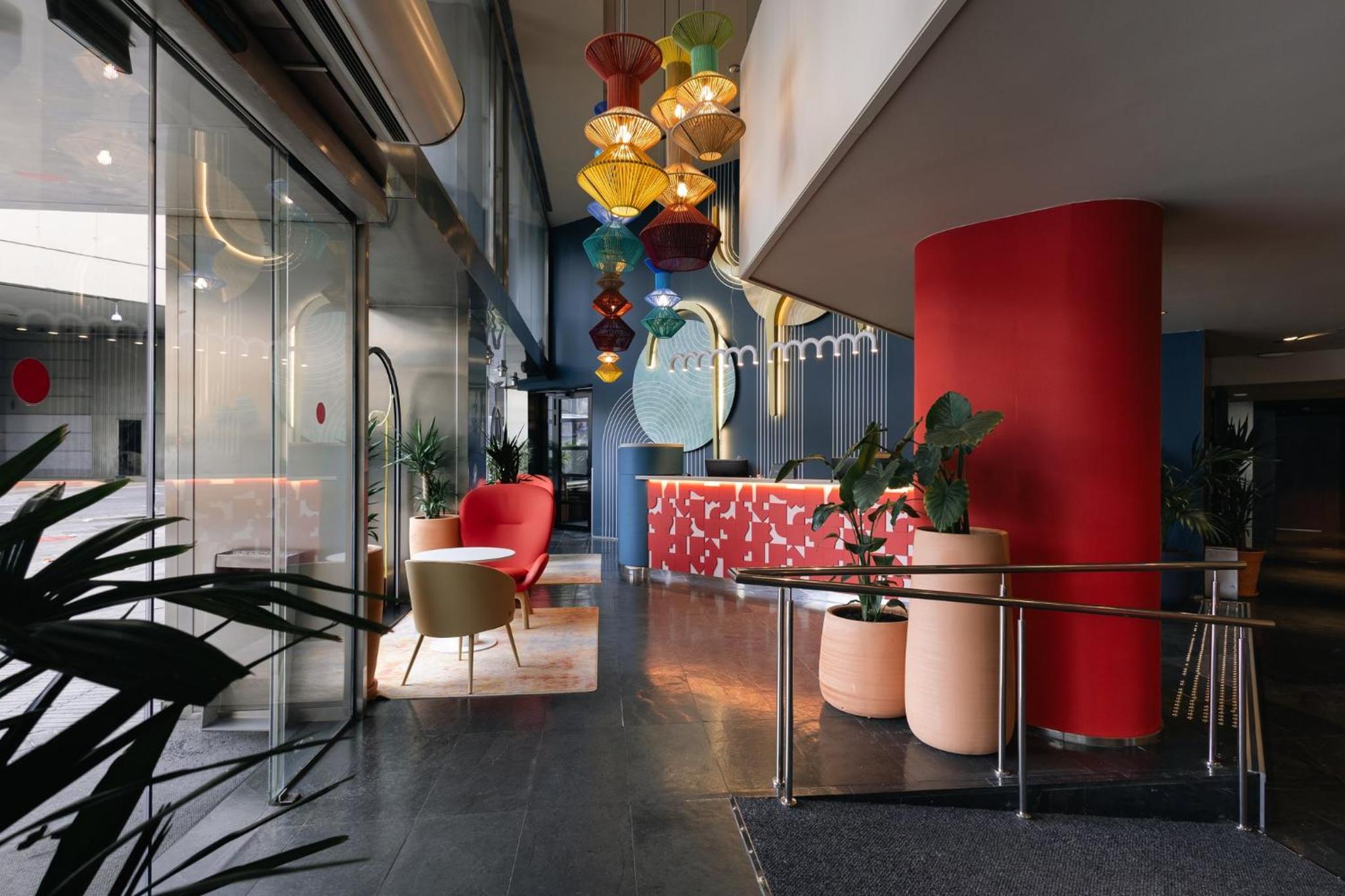
Hotel Indigo Barcelona Plaza Espana by IHG
Gran Via de les Corts Catalanes 322-324
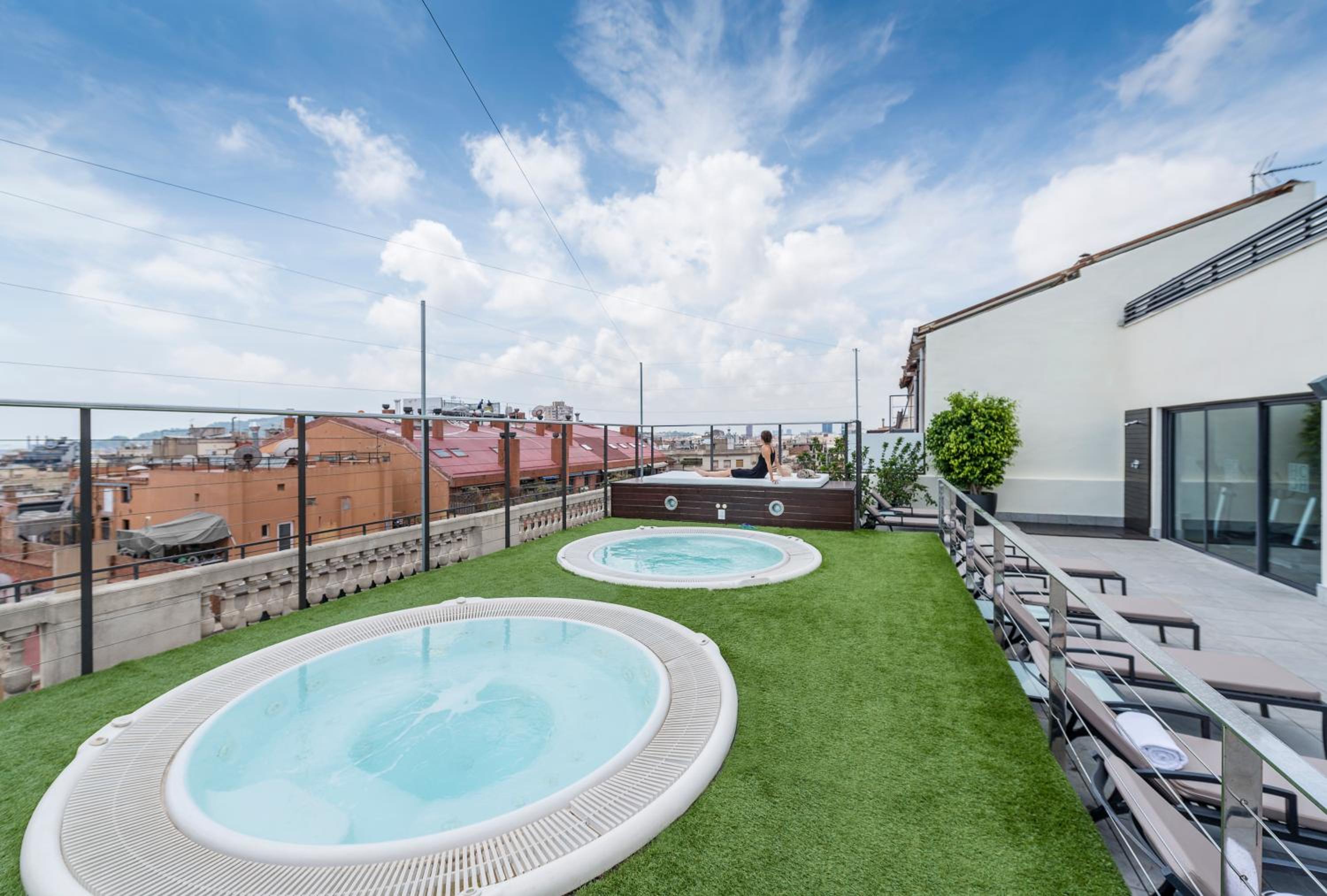
Hotel Barcelona Center
Balmes 103-105
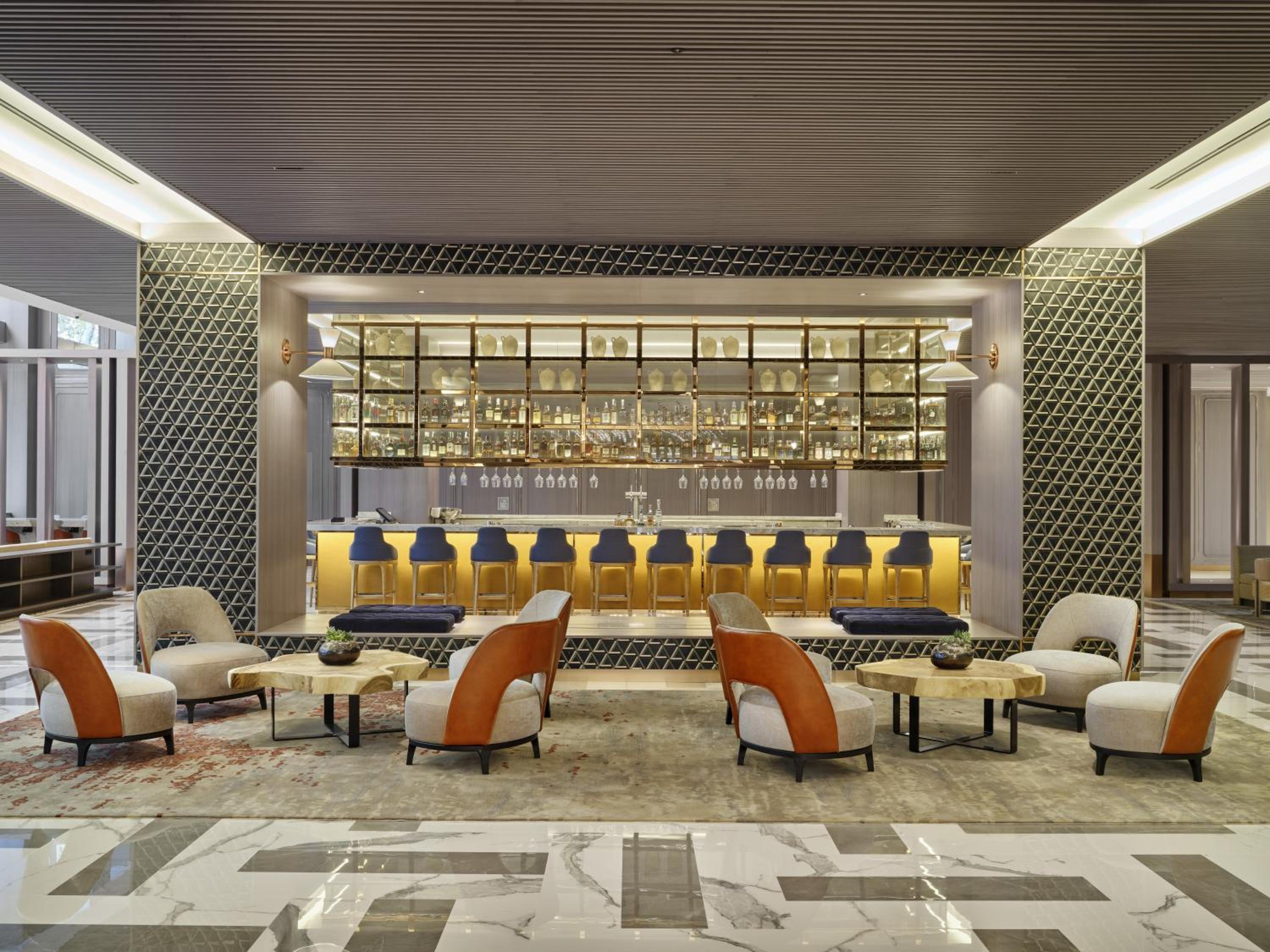
InterContinental Barcelona by IHG
Avenida Ruis I Taulet 1-3
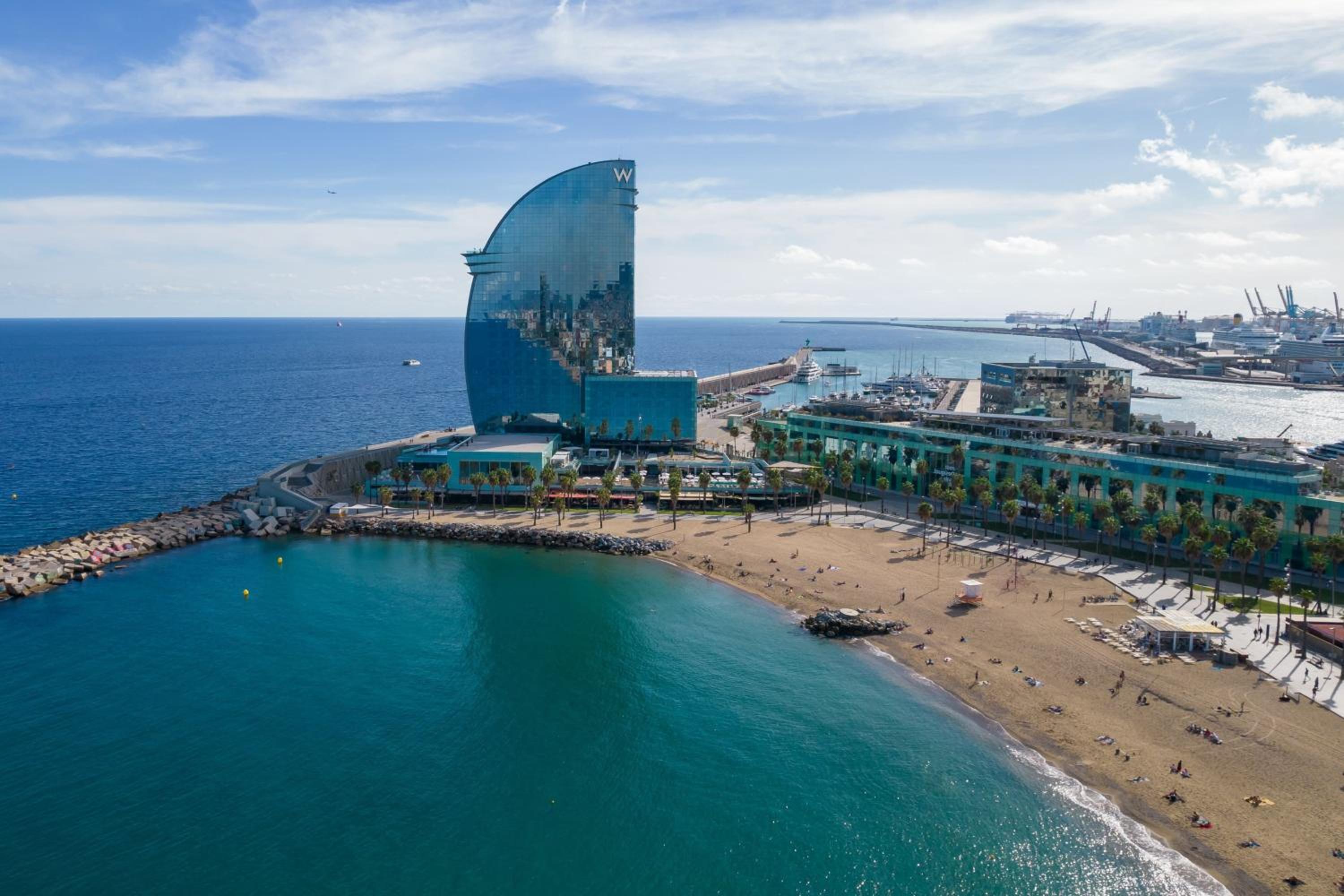
W Barcelona
Plaça Rosa dels Vents, 1
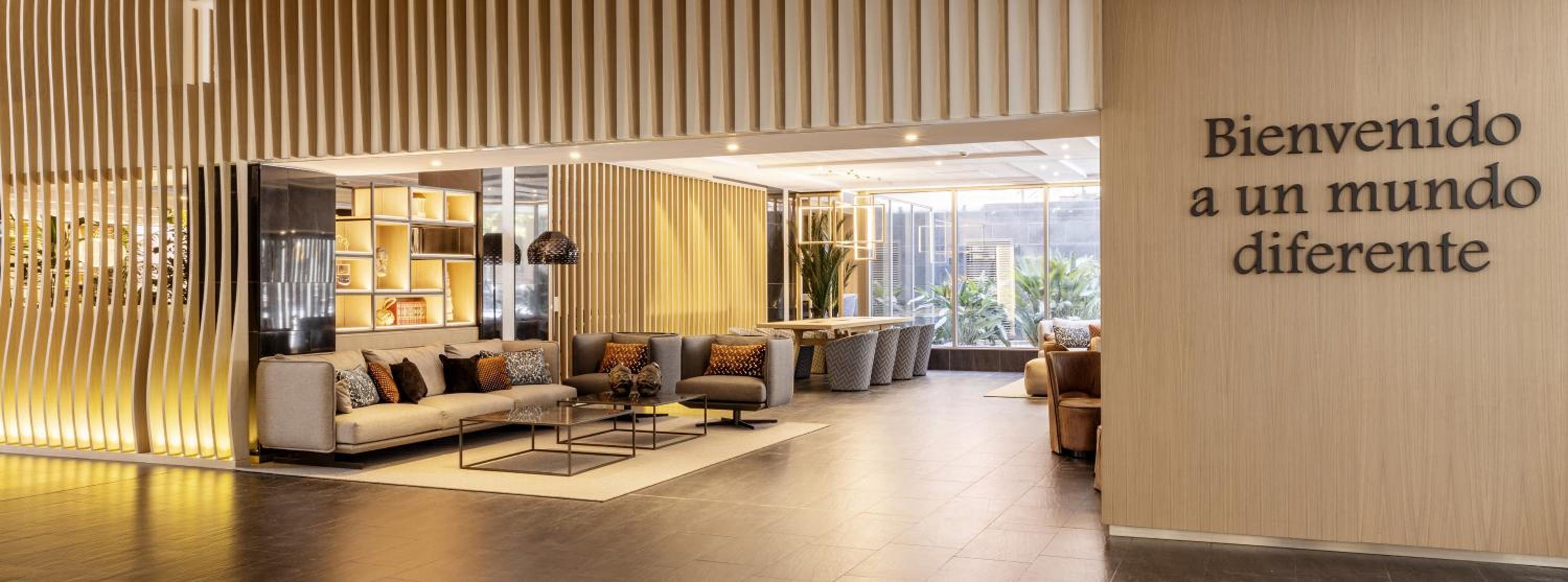
Ilunion Barcelona
Calle Ramon Turó 196-198
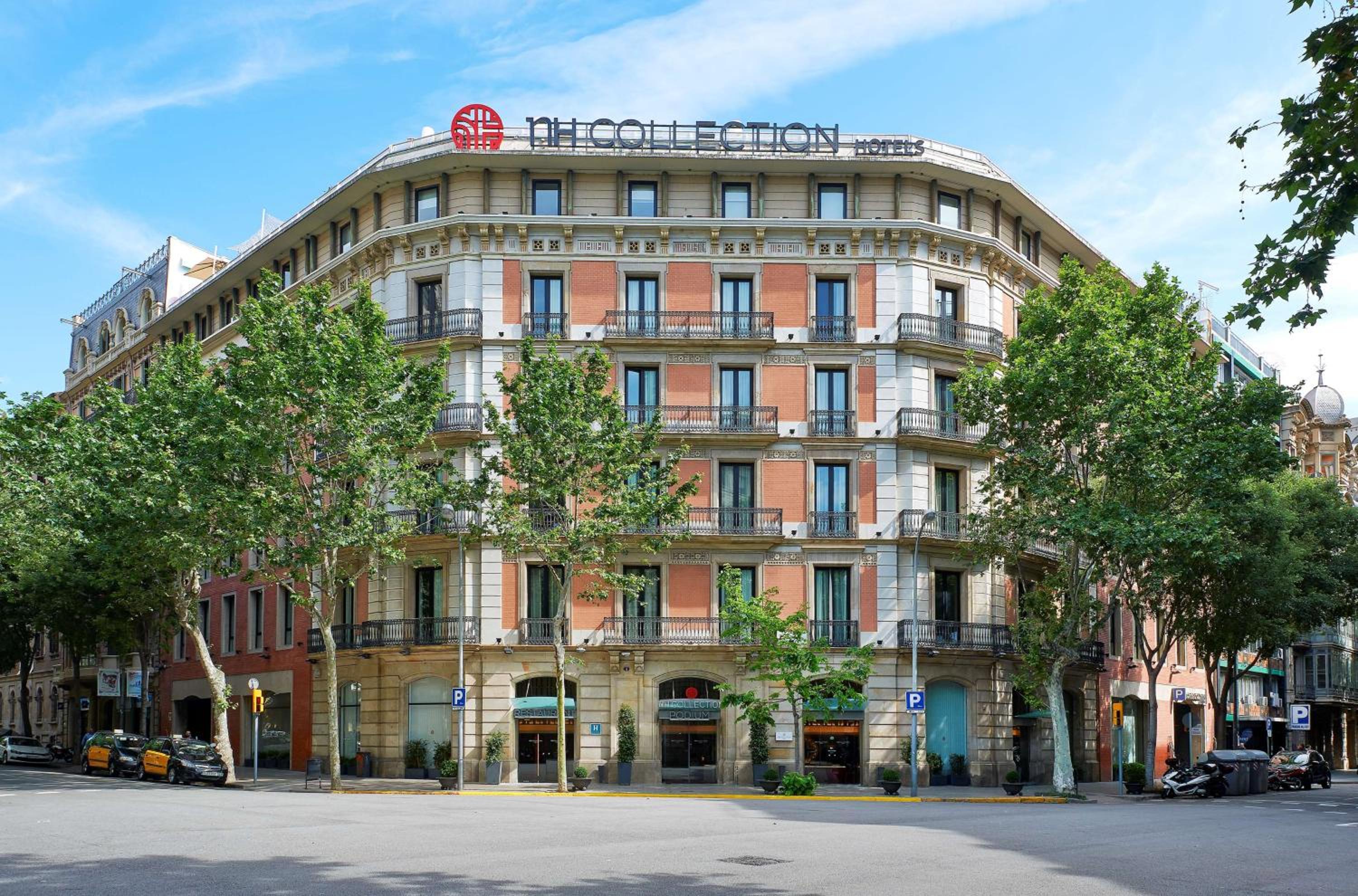
NH Collection Barcelona Podium
Bailen 4-6
Looking for More Options?
Browse thousands of hotels in Barcelona, Spain with real-time pricing and availability
Browse All HotelsPowered by our hotel partners
Recommended Restaurants


Interesting Facts
Barcelona is the only city in the world to be awarded the Royal Gold Medal for architecture by the Royal Institute of British Architects (RIBA) – not to an individual architect, but to the city itself, in 1999.
The city's famous Eixample district, with its grid-like streets and chamfered blocks, was designed by urban planner Ildefons Cerdà in the mid-19th century to improve public health and transport, as the old city was plagued by overcrowding and disease.
Barcelona is home to the largest metropolitan park in the world, the Parc Natural de la Serra de Collserola, covering over 8,000 hectares, which is nearly 22 times larger than Central Park in New York.
Barcelona boasts 9 UNESCO World Heritage Sites, 7 of which are works by Antoni Gaudí, including the Sagrada Familia, Park Güell, and Casa Batlló, making it one of the cities with the most UNESCO-listed sites by a single architect.
Witnessing "Castells" (human towers) is a deeply rooted Catalan tradition, particularly during local festivals, where teams build intricate, multi-story human structures, often topped by a small child, symbolizing strength, balance, and courage.
While famous for Gaudí's Sagrada Familia, a lesser-known architectural marvel is the Palau de la Música Catalana, a stunning Modernista concert hall designed by Lluís Domènech i Montaner, which is a UNESCO World Heritage Site and the only concert hall in Europe illuminated by natural light during the day.
Barcelona is considered the cradle of Catalan Modernism, an architectural and artistic movement from the late 19th and early 20th centuries, which fused Art Nouveau with traditional Catalan elements, giving rise to iconic works by Gaudí, Domènech i Montaner, and Puig i Cadafalch.
Barcelona's metro system has a "ghost station" called "Correos" (Post Office) near Jaume I station. It was built but never opened to the public, though you can still glimpse its platforms if you know where to look between stops on Line 4.