
Bern, Switzerland
Overview
Bern, a UNESCO World Heritage city, captivates with its medieval architecture, the Zytglogge astronomical clock, and the Bear Park. Enjoy charming cafes, world-class museums, and stunning views from the Rose Garden overlooking the Aare River.
Best Time to Travel
Best Months
Spring and Fall
Pleasant weather conditions
Months to Avoid
Check local weather patterns
Consider visiting during other months
Peak Season
Summer months
Expect larger crowds and higher prices
Top Things to Do

La Valsainte Charterhouse

Enter Museum

Museum of Communication

Nicolas-G.-Hayek Park

Skilift Linden

The Bowling Company AG

Art Déco Hotel Elite

Adler Boutique Hotel & Pub

Hotel Metropol

Unique Hotel Innere Enge Bern

Hôtel Cailler, Charmey en Gruyère

Hotel Murtenhof & Krone
Recommended Hotels
Search All Hotels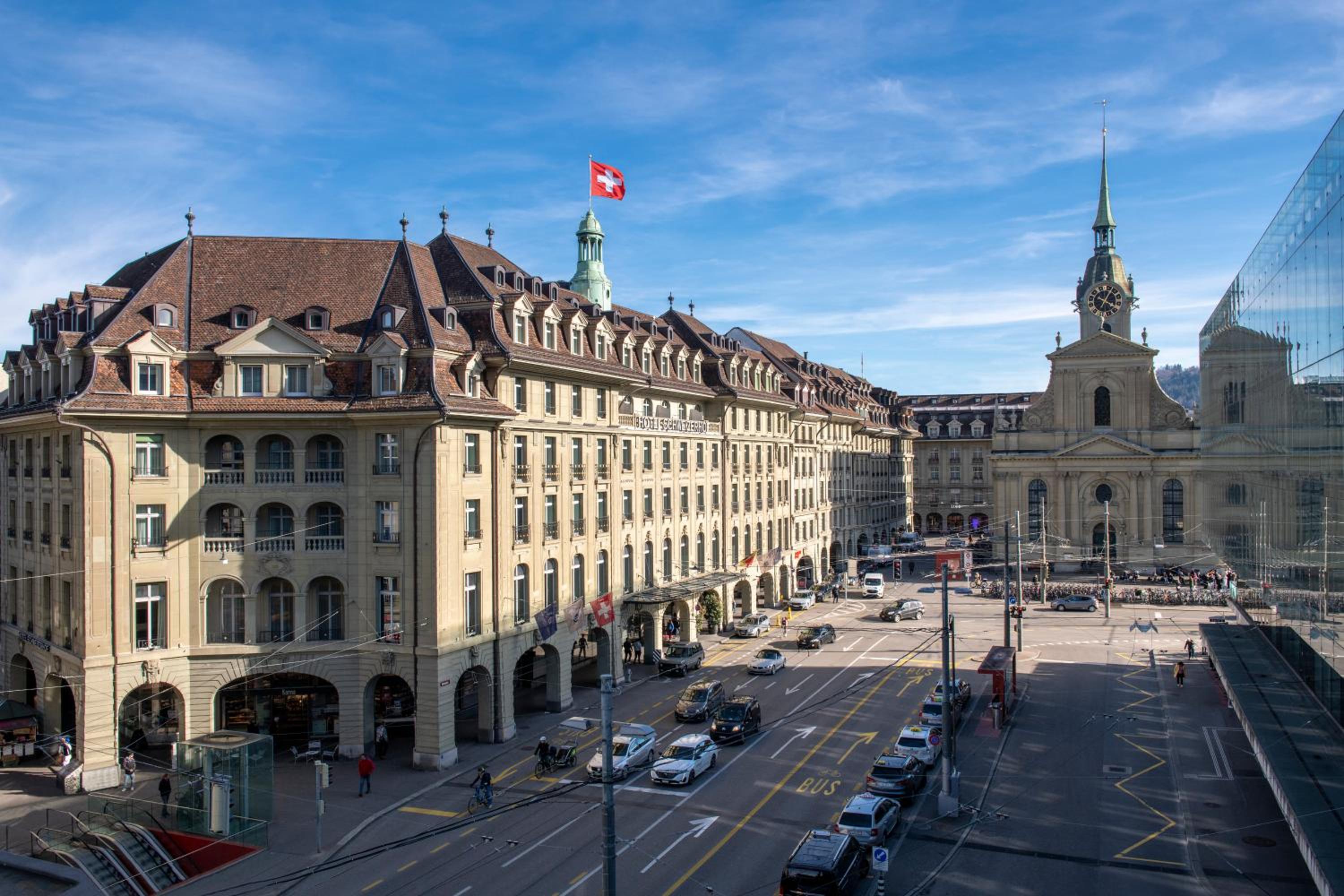
Hotel Schweizerhof Bern & Spa
Bahnhofplatz 11
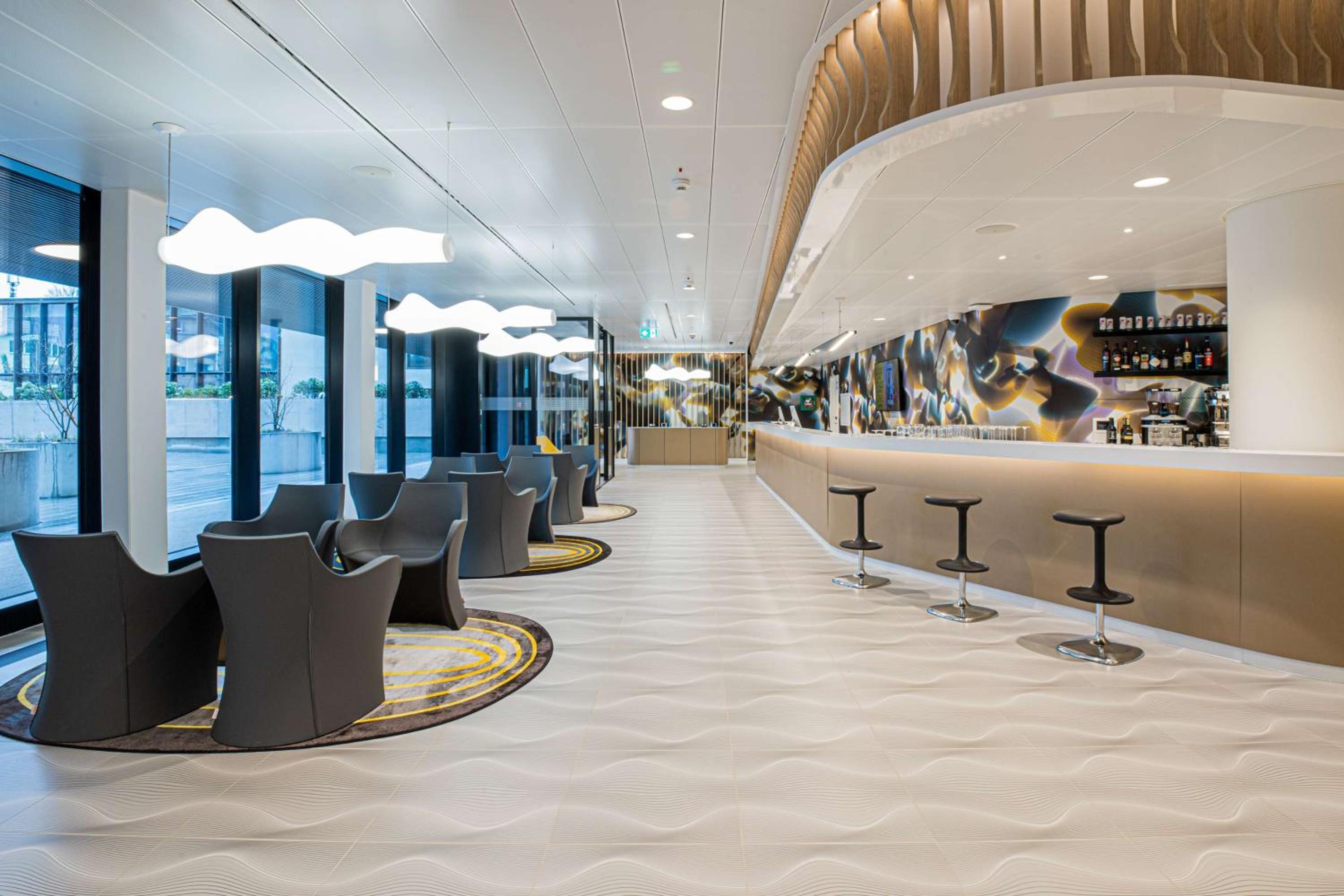
Prize by Radisson, Bern City
VIKTORIASTRASSE 21
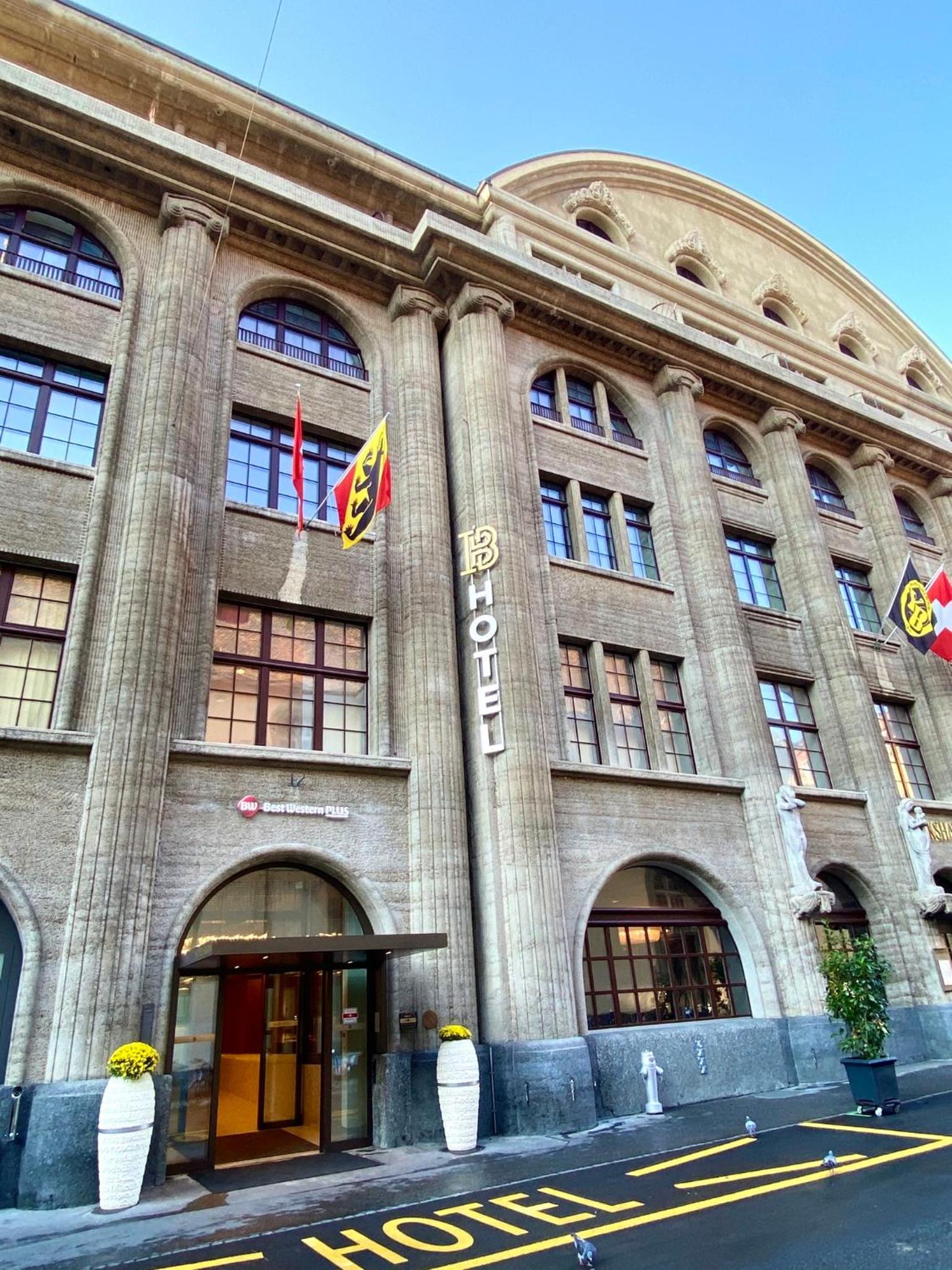
Best Western Plus Hotel Bern
Zeughausgasse 9
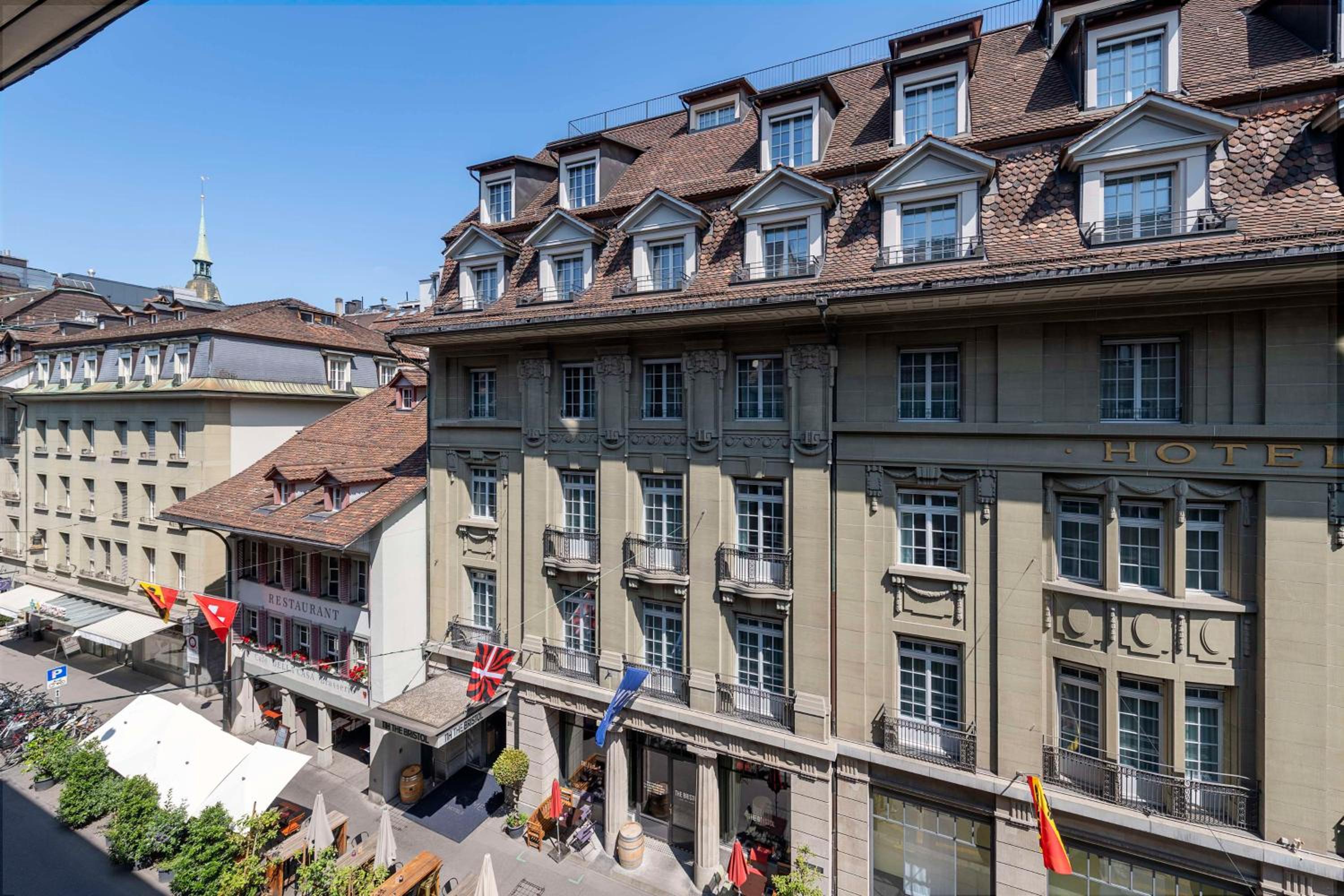
NH Bern The Bristol
Schauplatzgasse 10
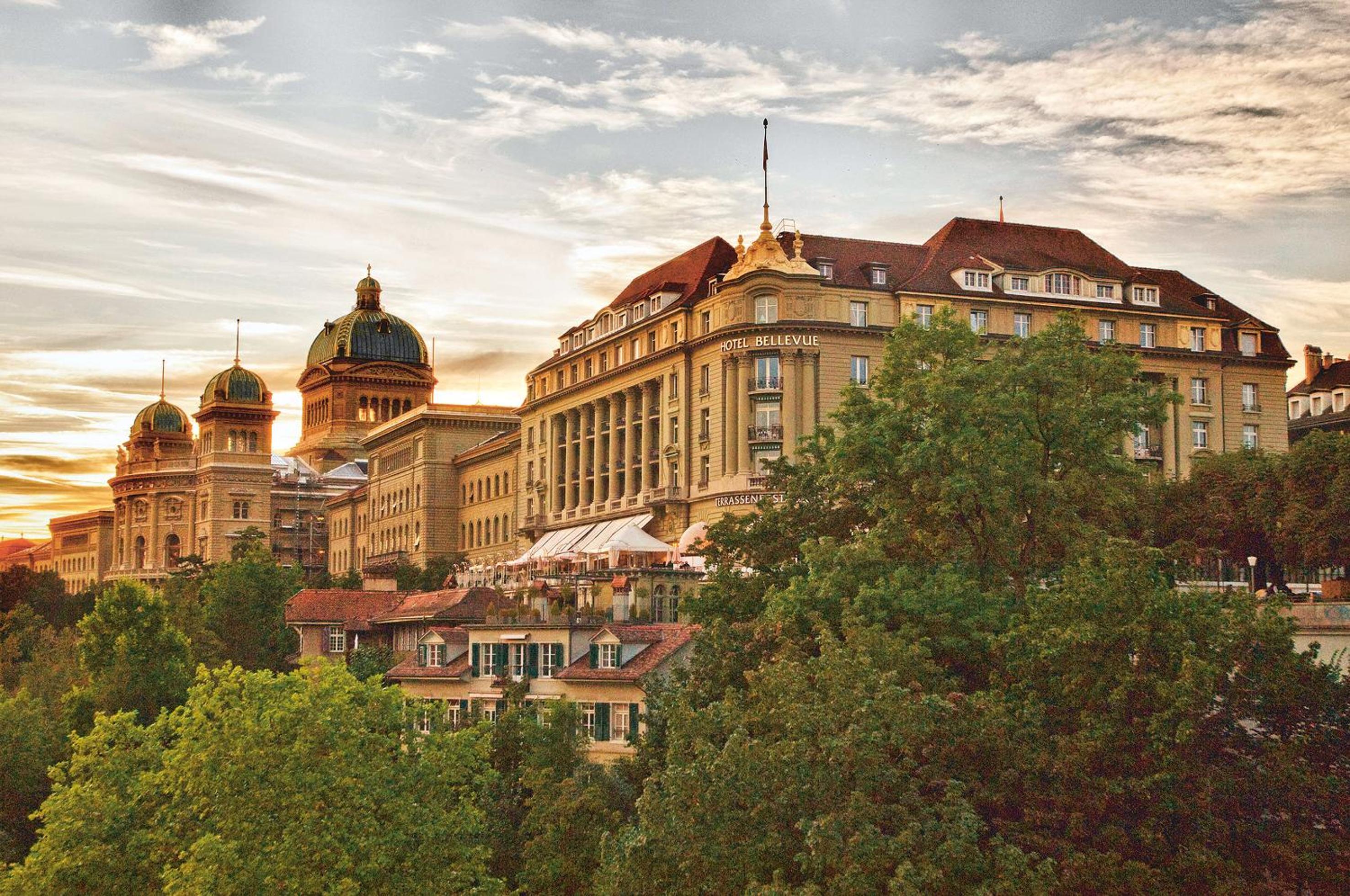
Hotel Bellevue Palace Bern
Kochergasse 3-5
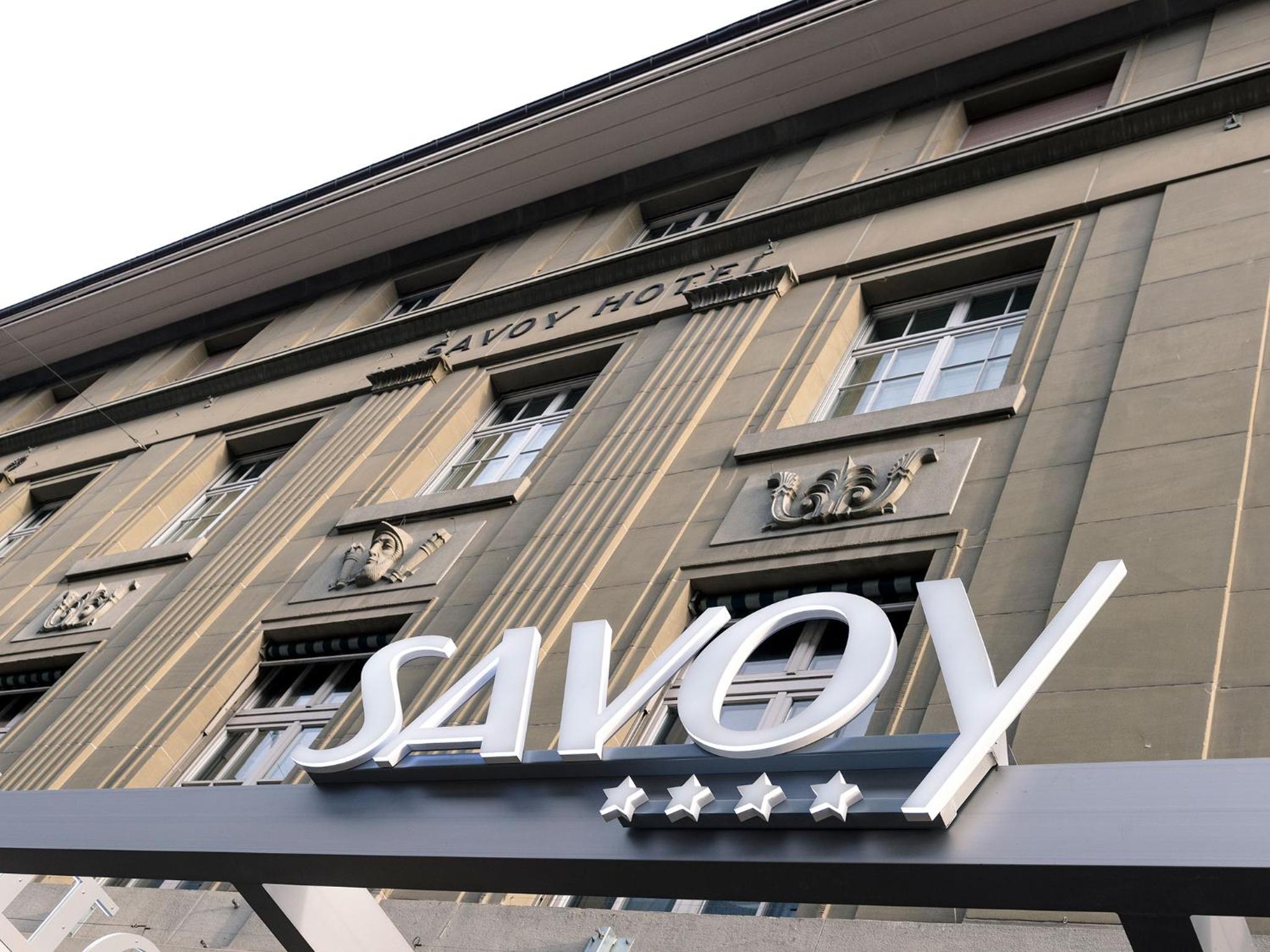
Hotel Savoy
Neuengasse 26
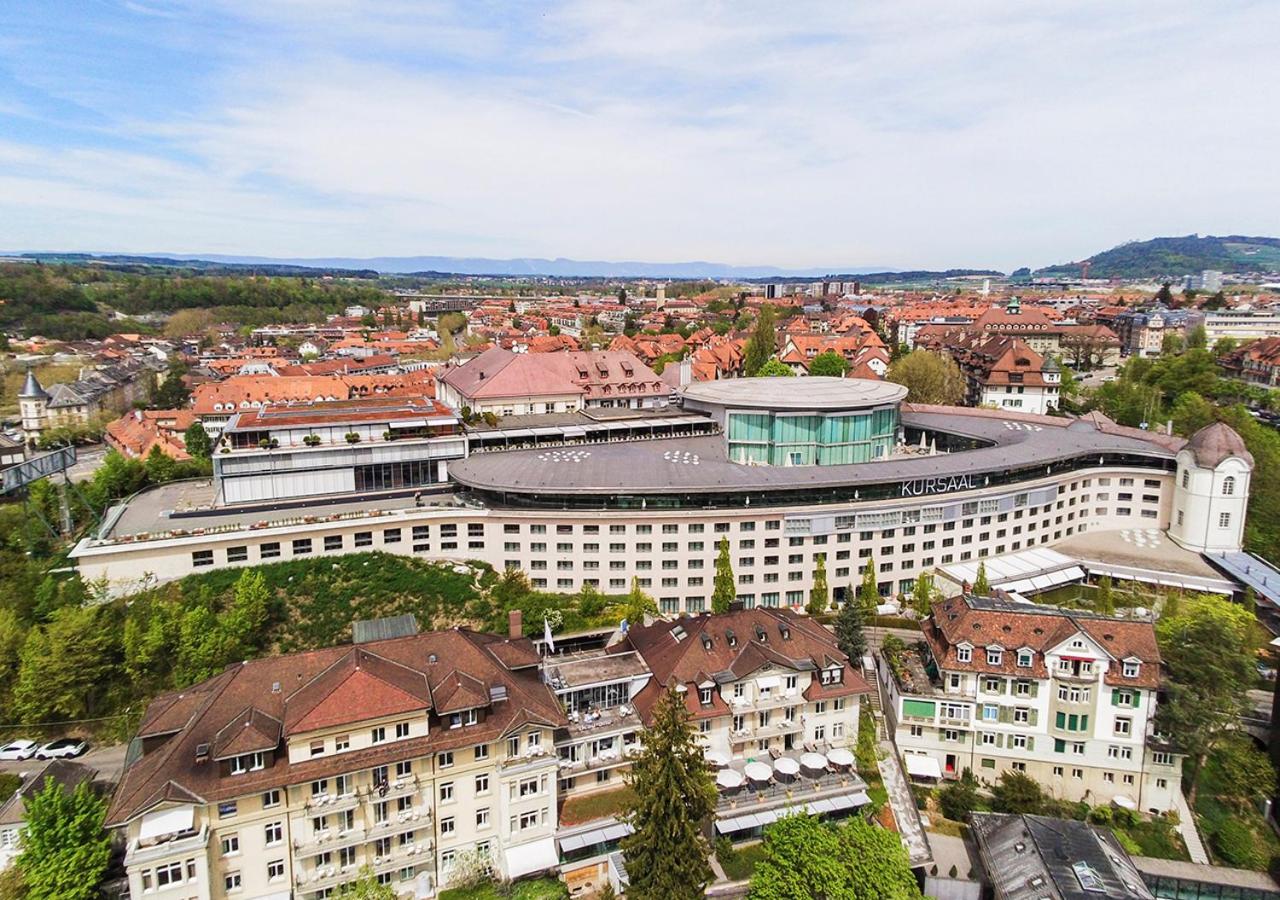
Swissôtel Kursaal Bern
Kornhausstrasse 3
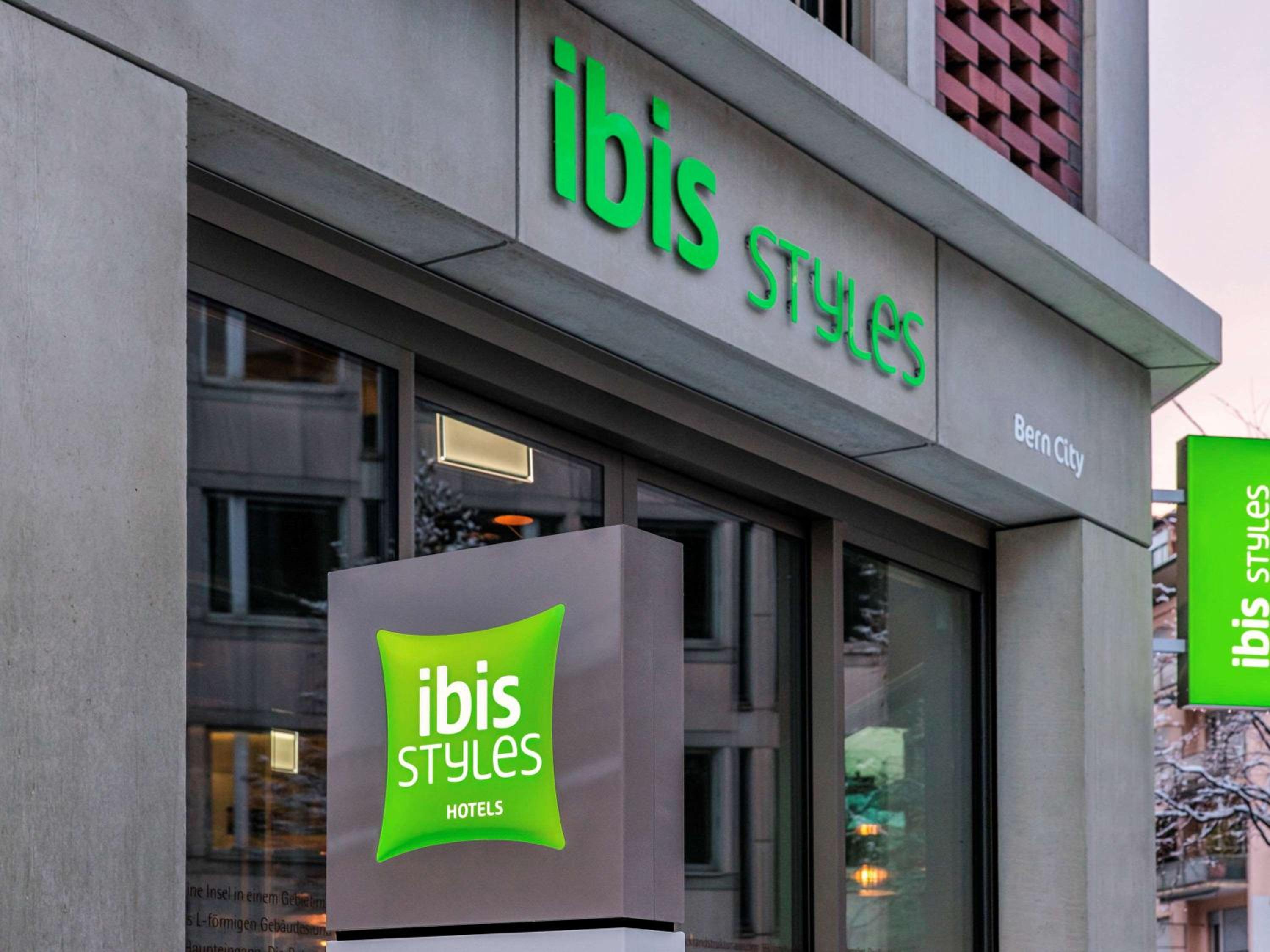
ibis Styles Bern City
Zieglerstrasse 66, 66
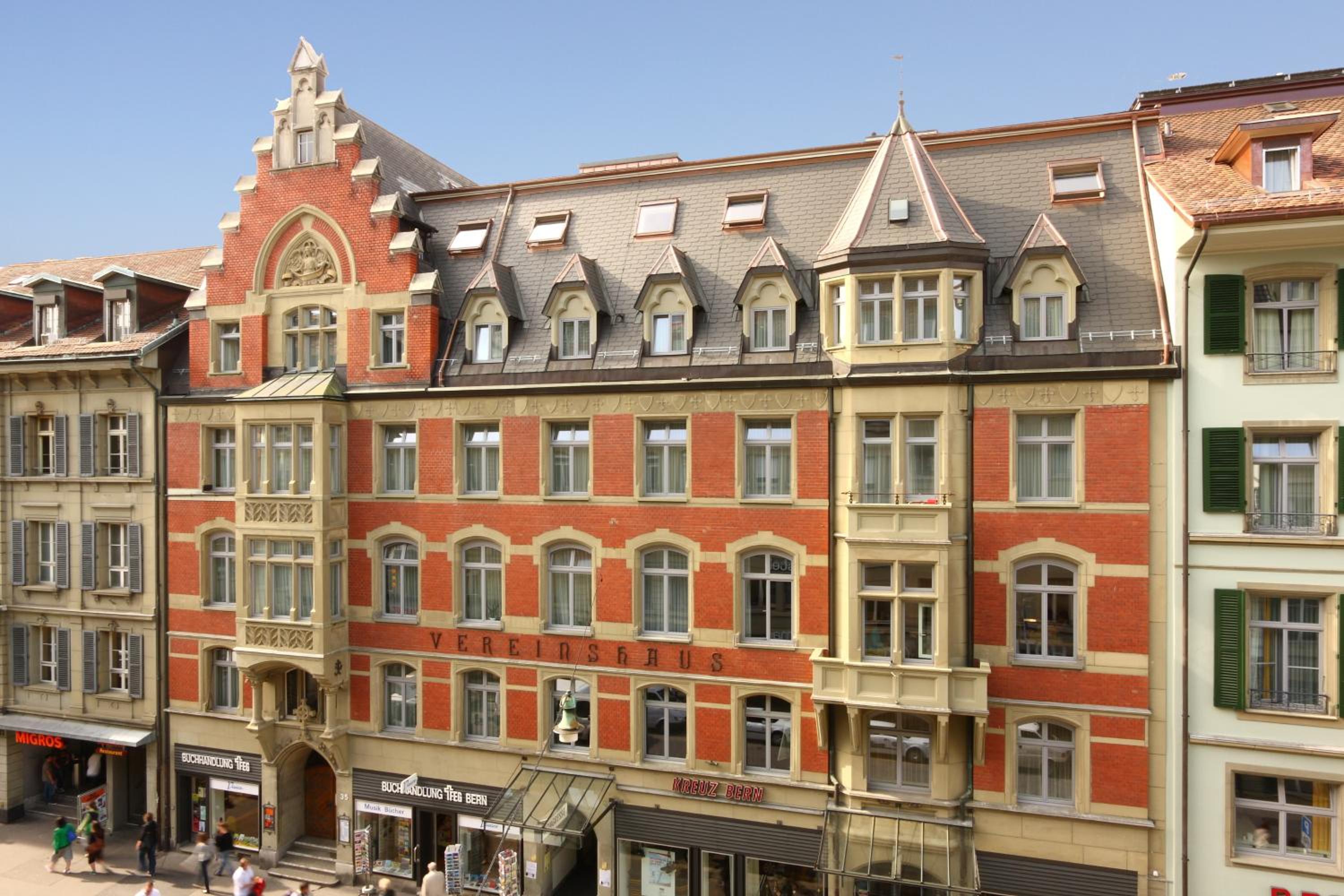
Kreuz Bern Modern City Hotel
Zeughausgasse 41
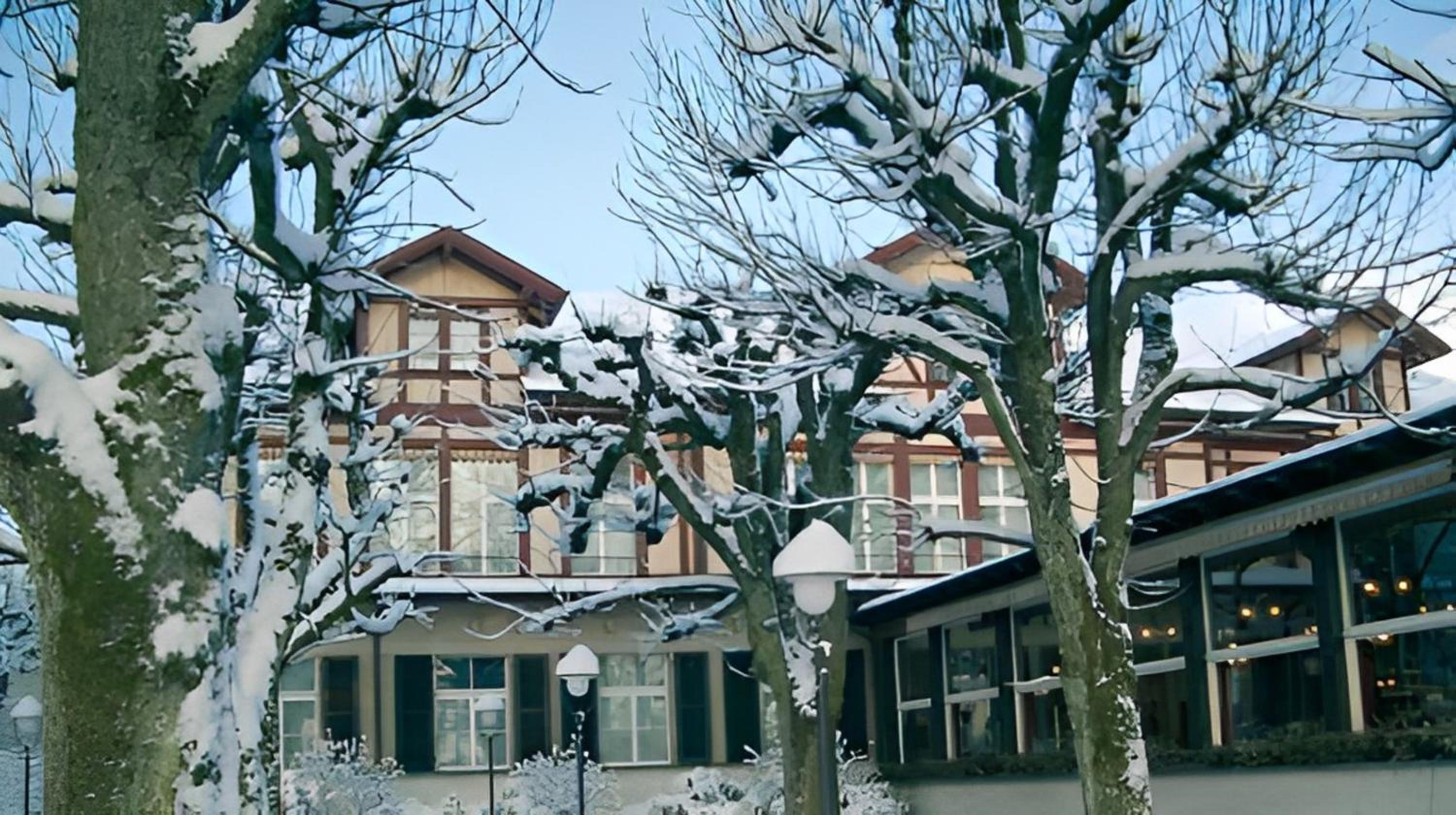
Unique Hotel Innere Enge
54 Engestrasse

Holiday Inn Bern Westside by IHG
Riedbachstrasse 96
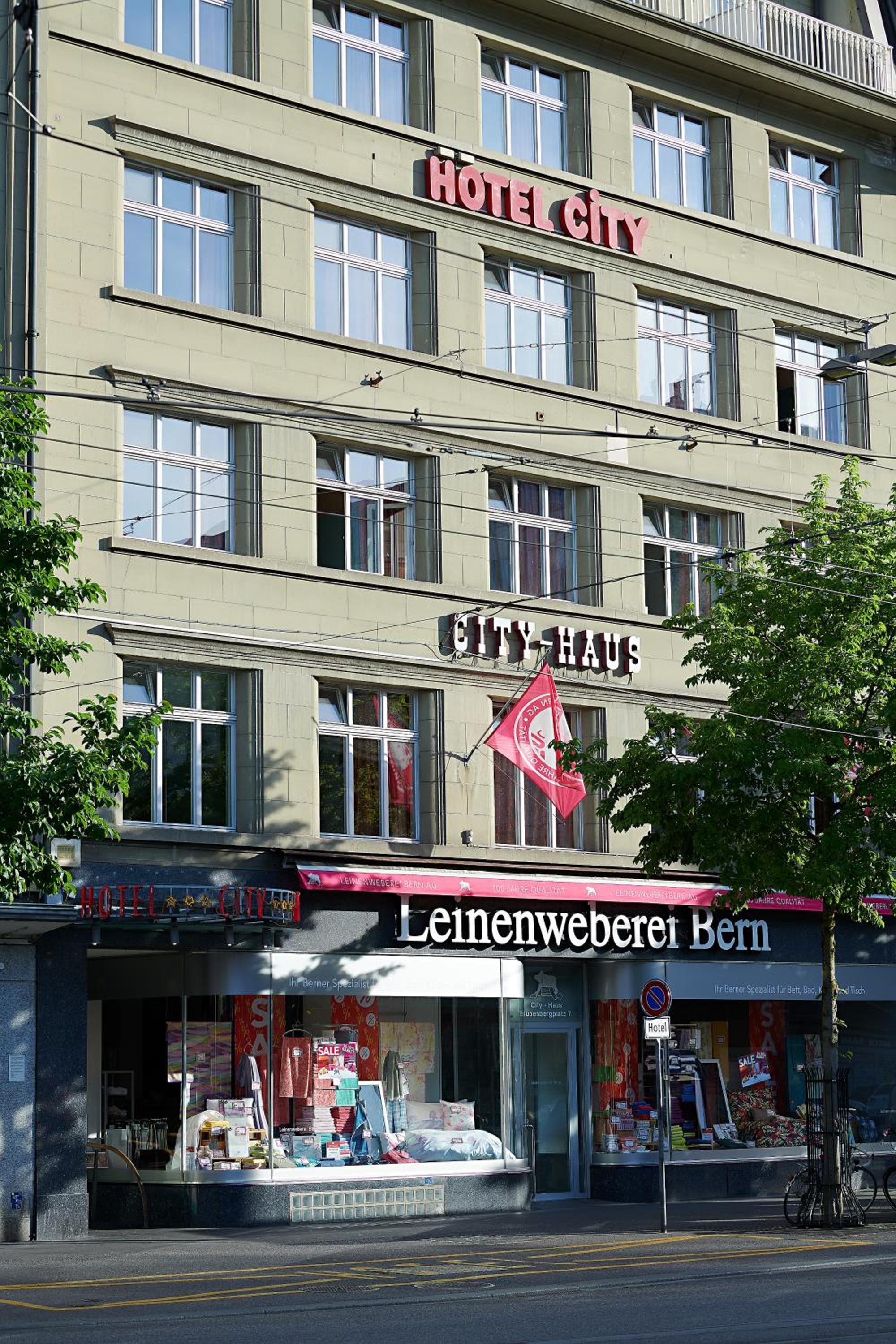
Hotel City am Bahnhof
Bubenbergplatz 7
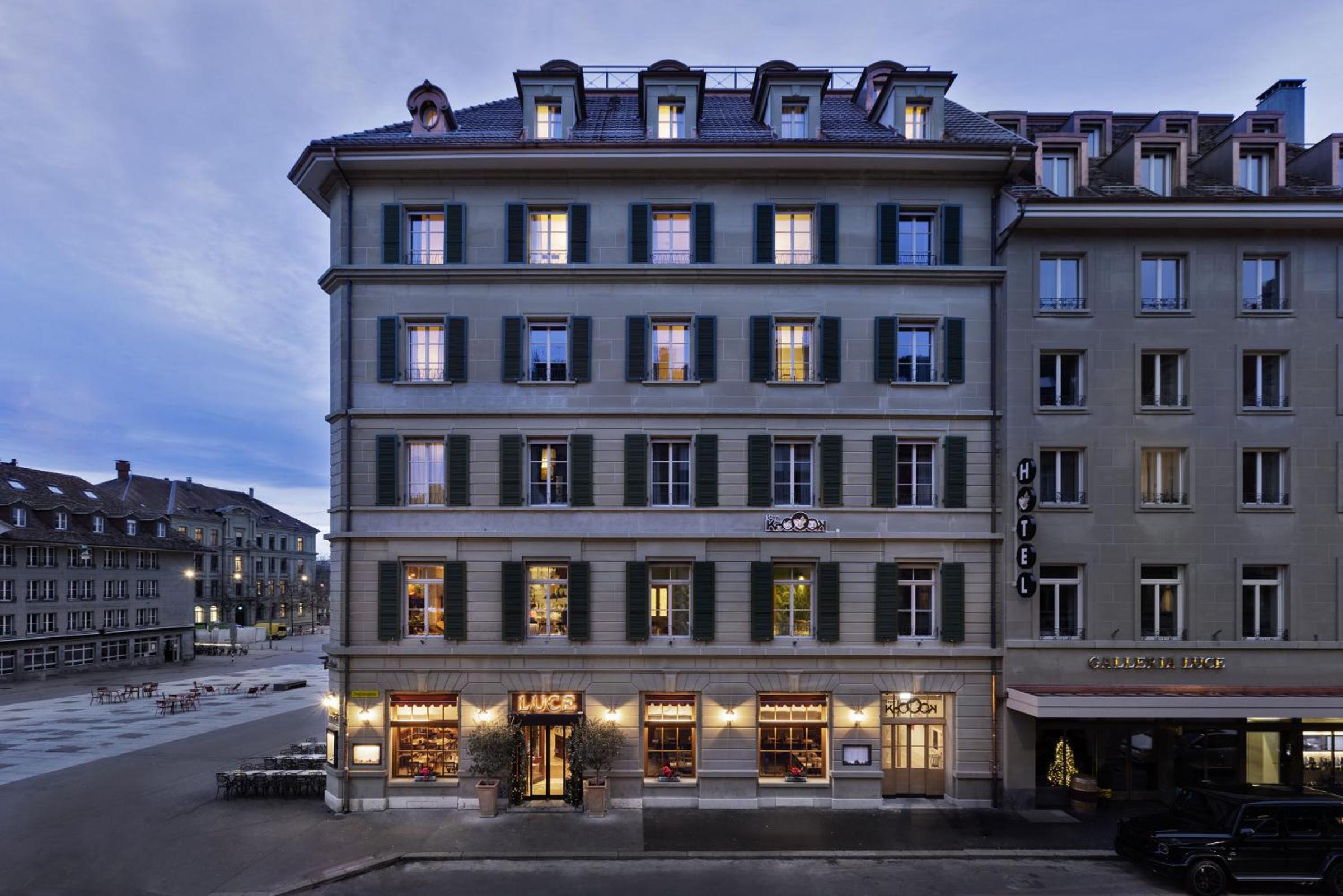
Stay KooooK Bern City - Online Check In
Zeughausgasse 26
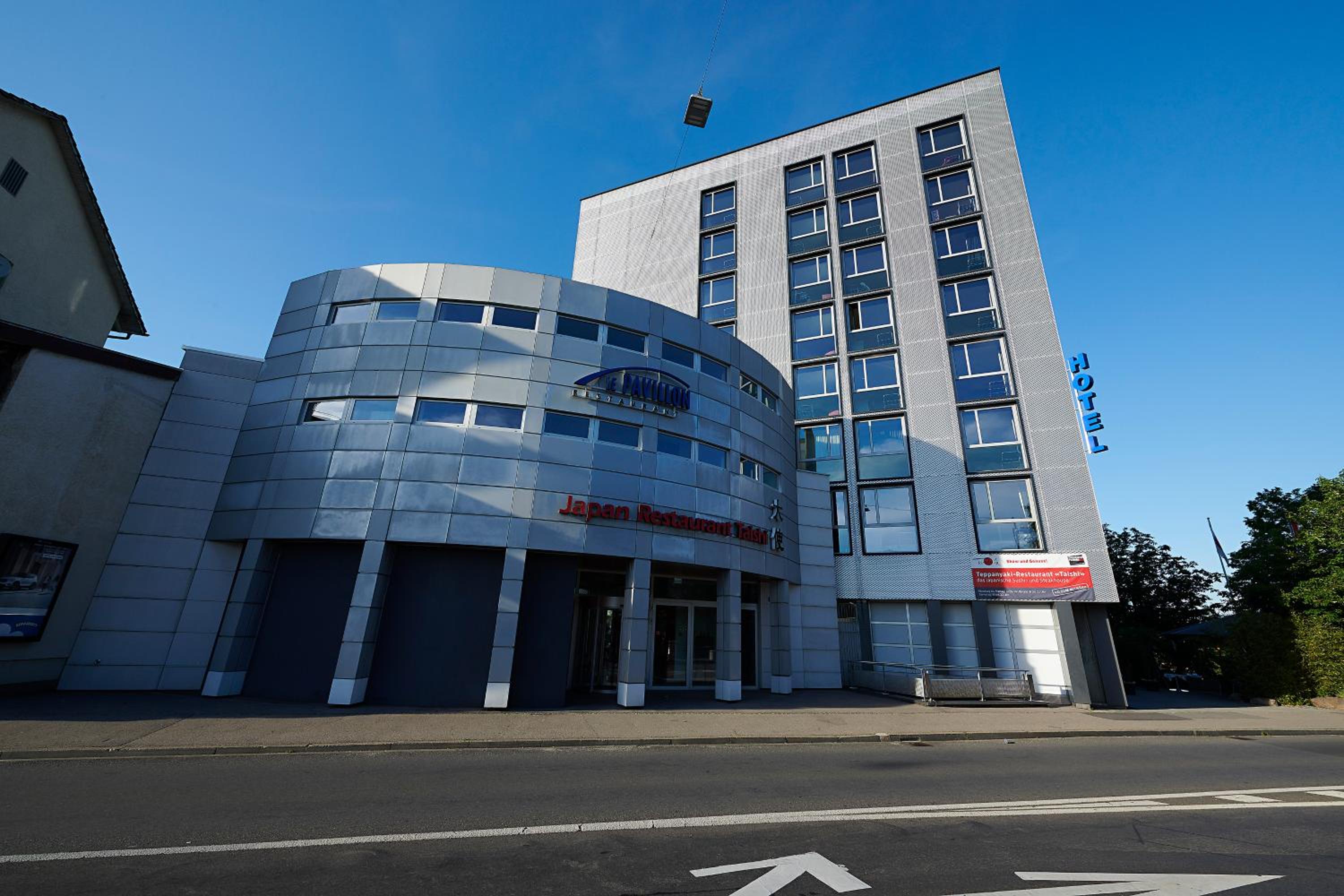
Hotel Ambassador
Seftigenstrasse 99

Moxy Bern Expo
Trüsselstrasse 4

Stay KooooK Bern Wankdorf - Online Check In
Trüsselstrasse 4a
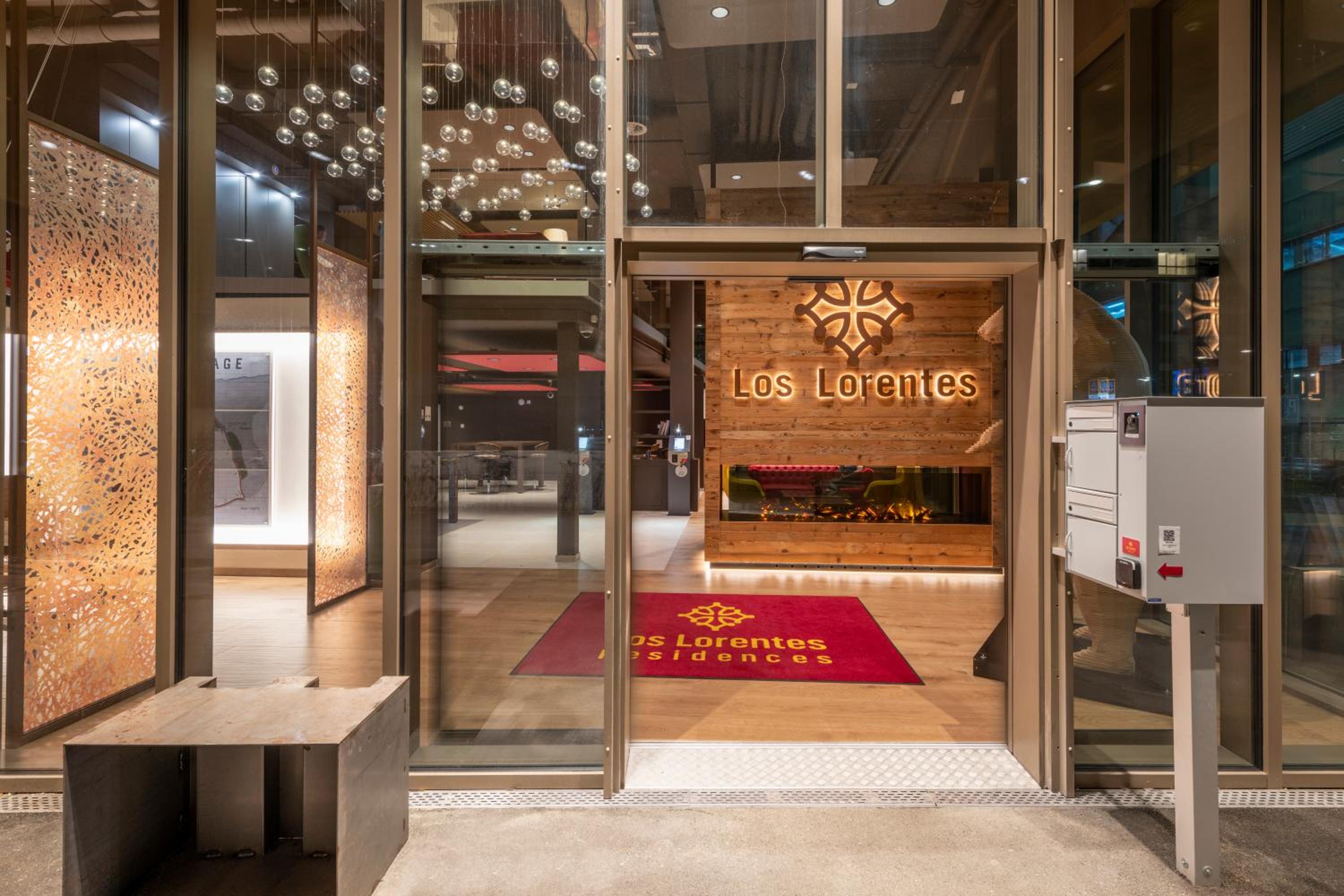
Los Lorentes Apartments Bern City
Murtenstrasse 147-2
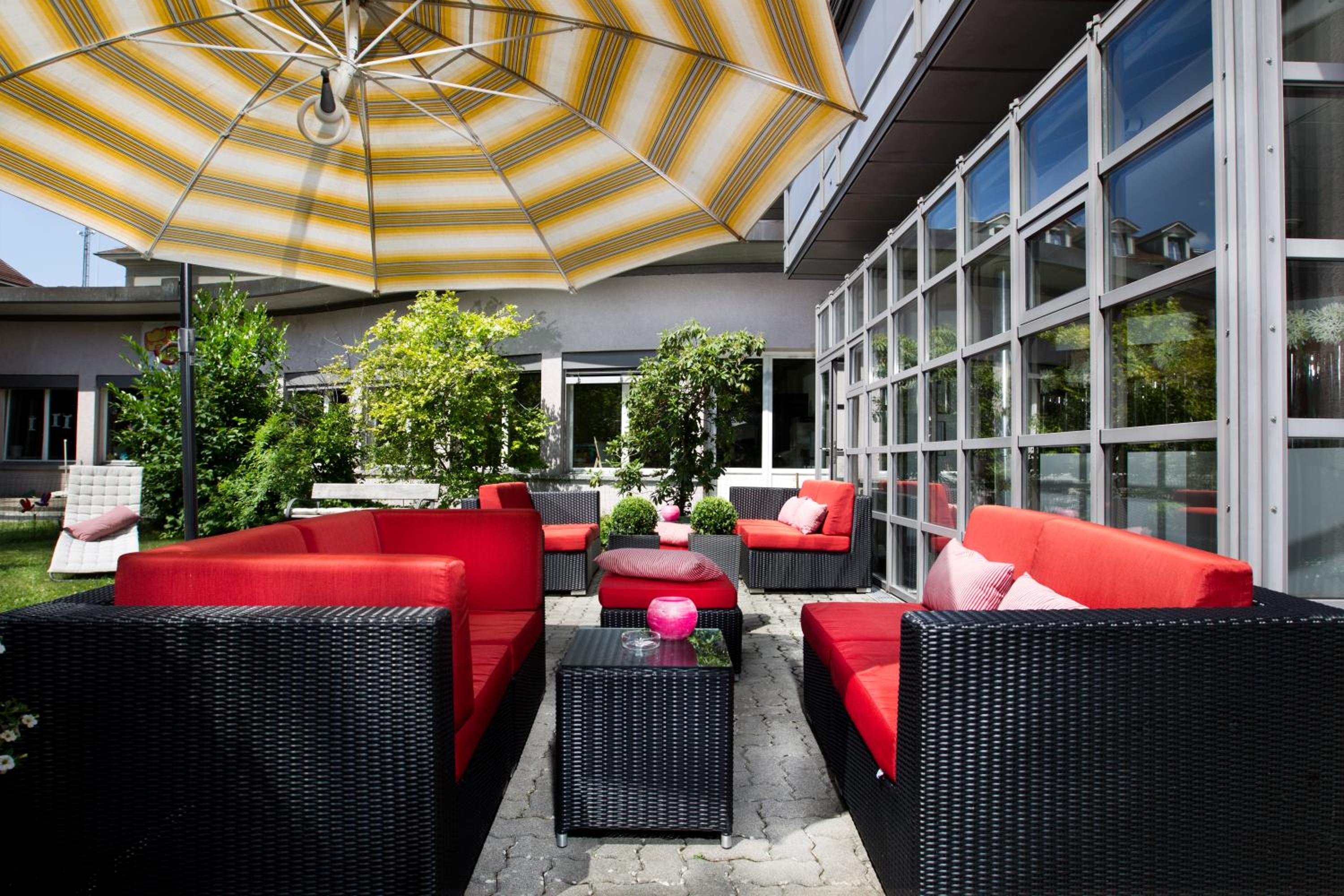
Hotel La Pergola
Belpstrasse 43
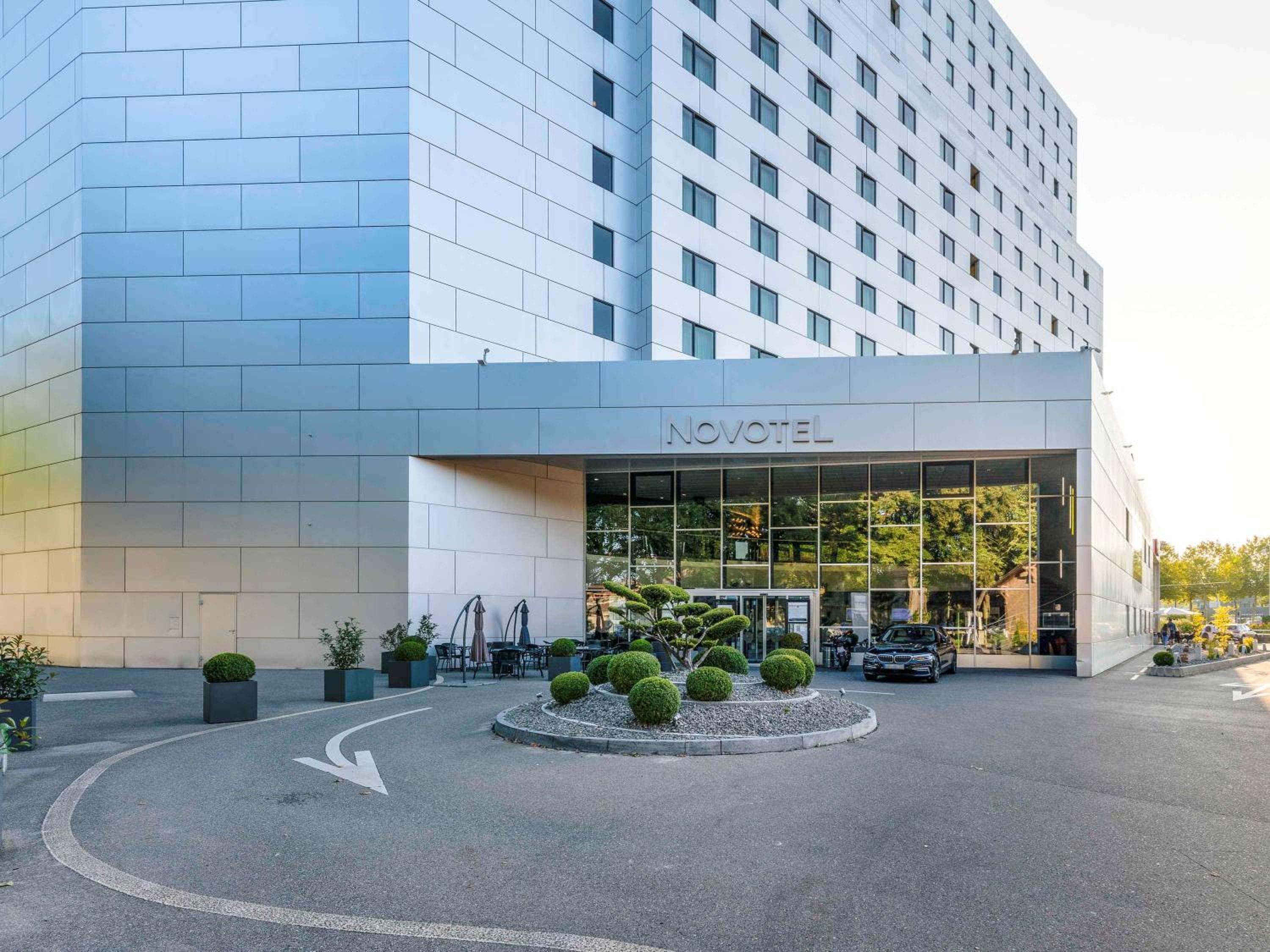
Novotel Bern Expo
Am Guisanplatz 2
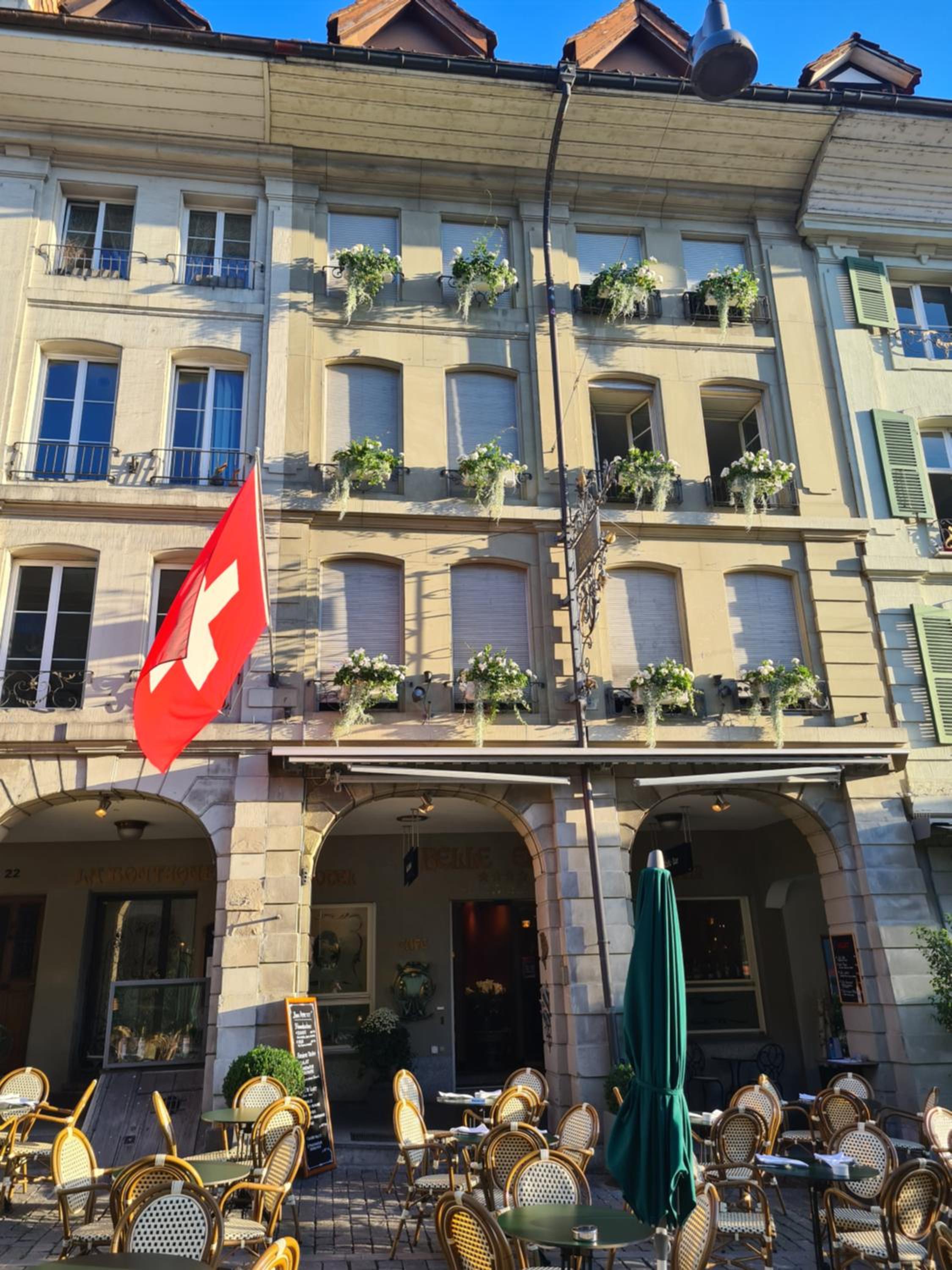
Boutique Hotel Belle Epoque
Gerechtigkeitsgasse 18
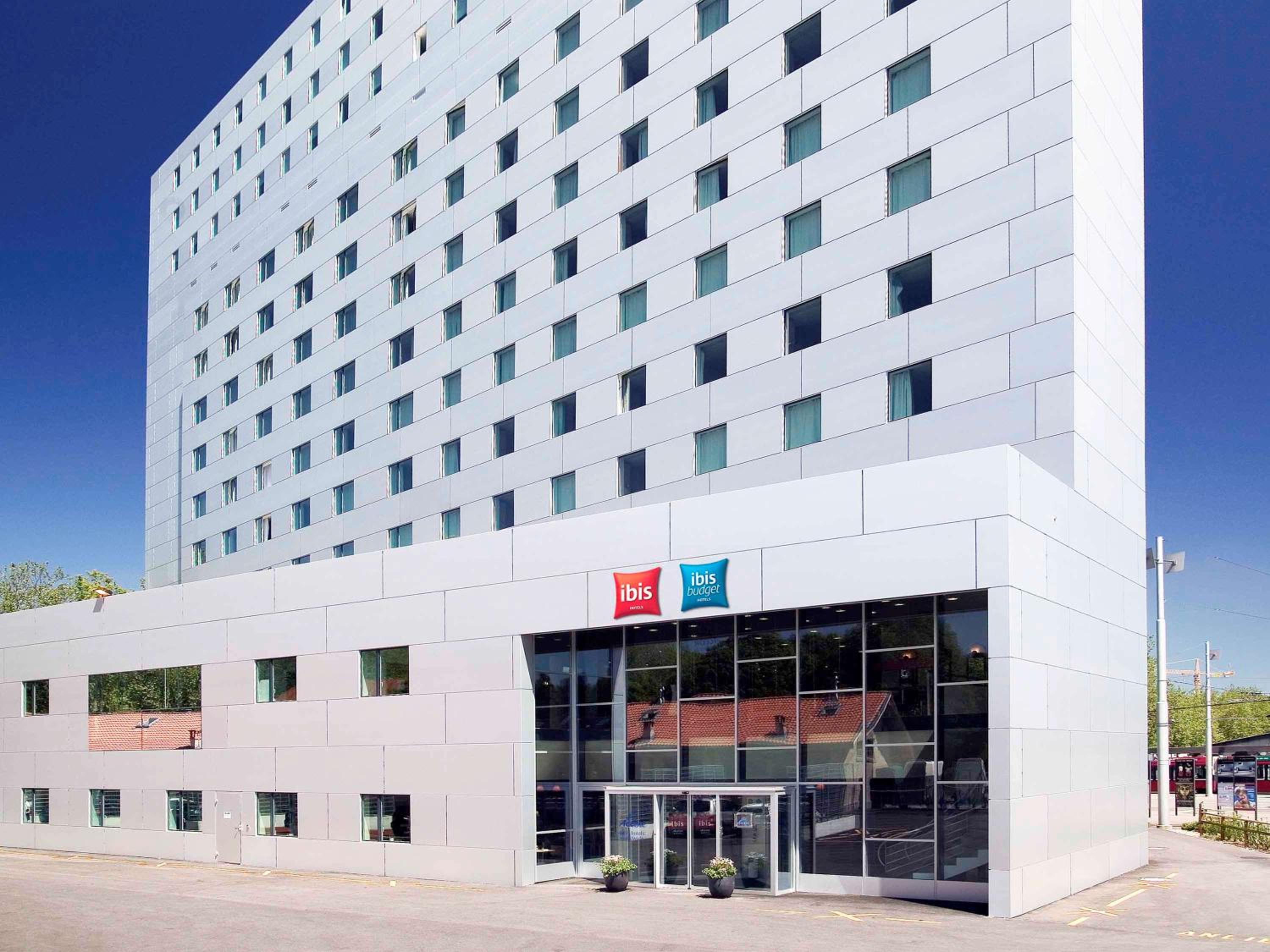
ibis budget Bern Expo
Guisanplatz 2 - 4
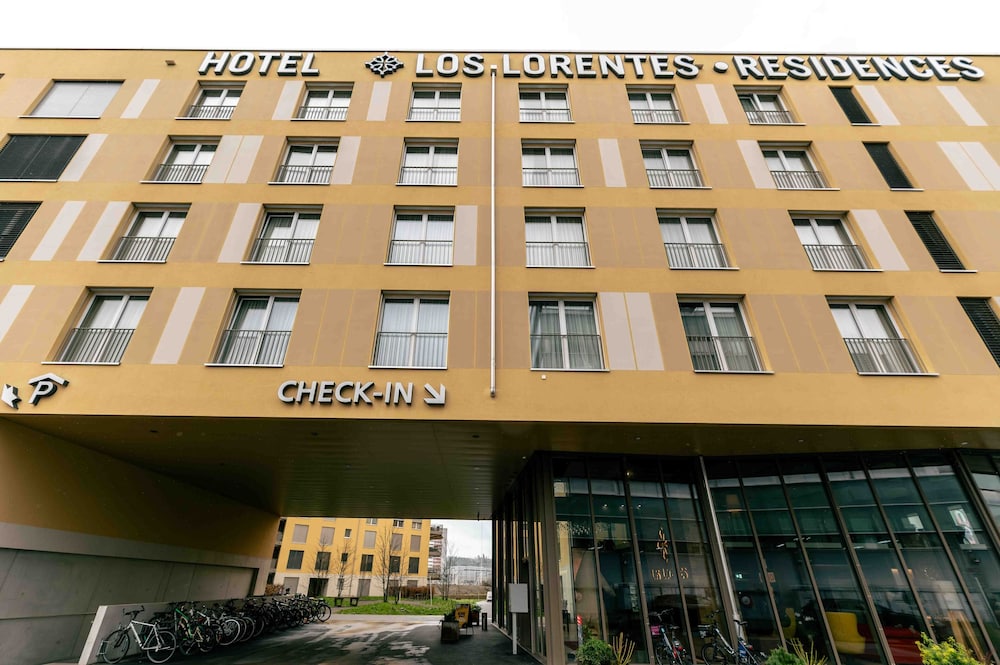
Los Lorentes Residences
Murtenstrasse, 147
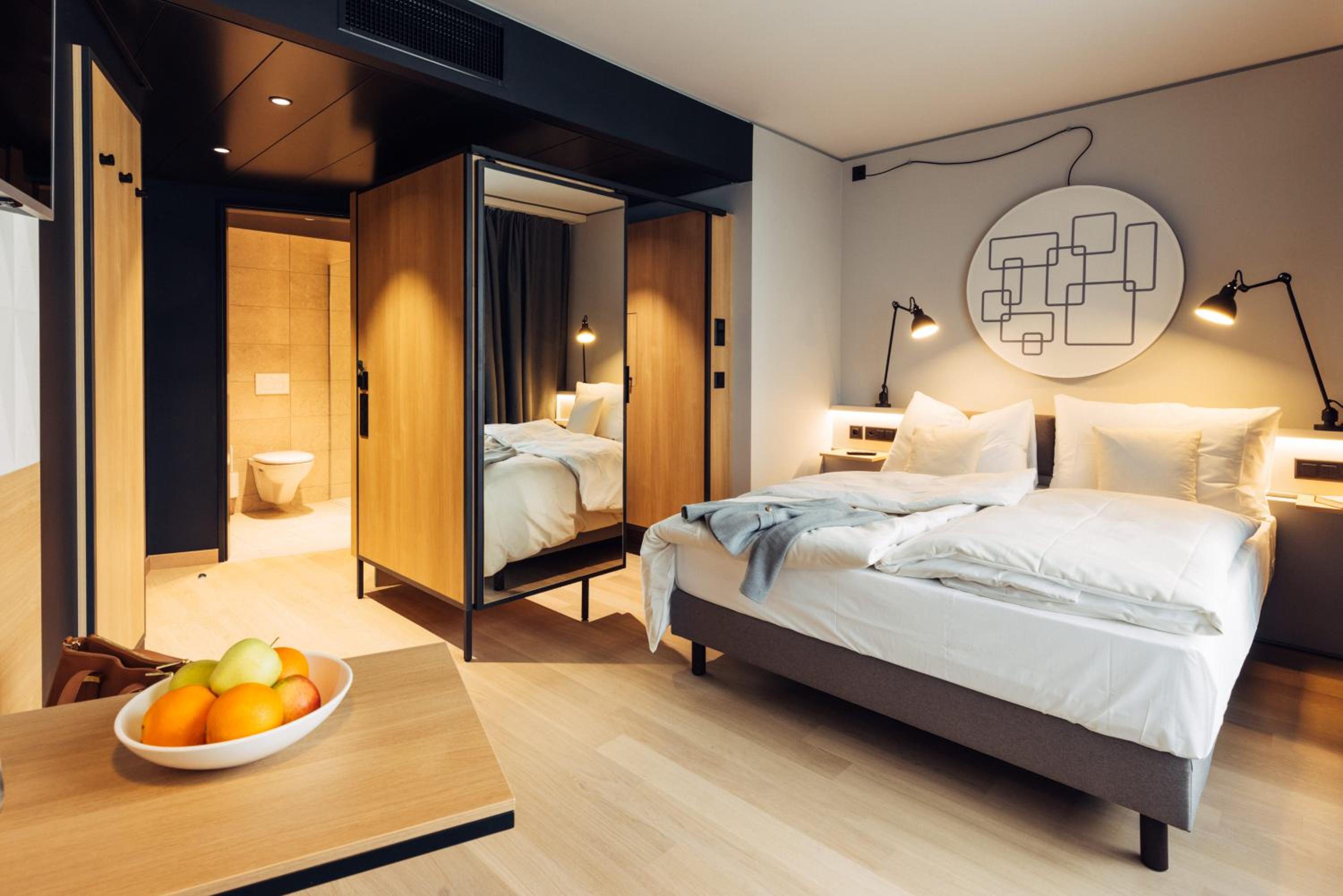
harry's home Bern-Expo
25 Bernstrasse
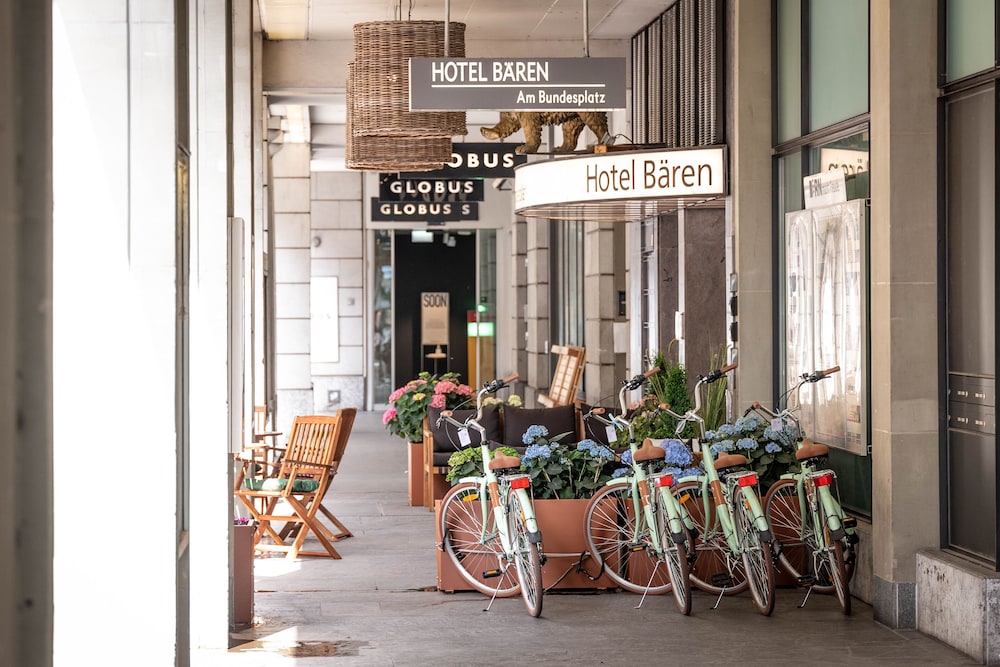
Hotel Bären Am Bundesplatz
Schauplatzgasse 4
Looking for More Options?
Browse thousands of hotels in Bern, Switzerland with real-time pricing and availability
Browse All HotelsPowered by our hotel partners
Recommended Restaurants

Interesting Facts
This destination has a rich cultural heritage spanning centuries
Known for its unique architecture and historic landmarks
Popular tourist destination with millions of visitors annually
Home to vibrant local markets and traditional crafts
Features a diverse culinary scene with local specialties
Offers a mix of modern amenities and traditional charm