
Cape Town, South Africa
Overview
Cape Town boasts iconic Table Mountain, vibrant neighborhoods like Bo-Kaap, and pristine beaches. Experience the unique blend of African culture, breathtaking landscapes, and world-class cuisine, all within a stunning coastal setting.
Best Time to Travel
Best Months
March to May and September to November
During these months, expect pleasant warm days, mild evenings, and generally less wind. Spring sees blooming wildflowers, while autumn offers stable, comfortable weather ideal for outdoor activities.
Months to Avoid
December to February - Peak season with very high prices, large crowds, and strong winds ('Cape Doctor').
Consider visiting during other months
Peak Season
December to February
Expect larger crowds and higher prices
Top Things to Do

Babylonstoren

Aaldering Vineyards & Wines

The Rockwell Dinner Theatre

Boulders Beach

Castle of Good Hope

Robben Island Museum

Iziko Bo-Kaap Museum

Kirstenbosch National Botanical Garden

DHL Stadium

Royal Cape Golf Club

Greenmarket Square

Dornier Wine Estate

Two Oceans Aquarium

Echo Valley

Bay Harbour Market

City Sightseeing Cape Town Visitor Center

Beyond Restaurant

Blue Bird Garage Food and Goods Market

The Cape Gallery

Hillcrest Estate

The Capital 15 On Orange Hotel & Spa Cape Town CBD

The Table Bay Hotel - Temporarily Closed

The Vineyard

The President Hotel

Taj Cape Town

Majeka House

Asara Wine Estate & Hotel

Devonvale Golf & Wine Estate

Queen Victoria Hotel

Dock House Boutique Hotel

Coopmanhuijs Boutique Hotel & Spa
Recommended Hotels
Search All Hotels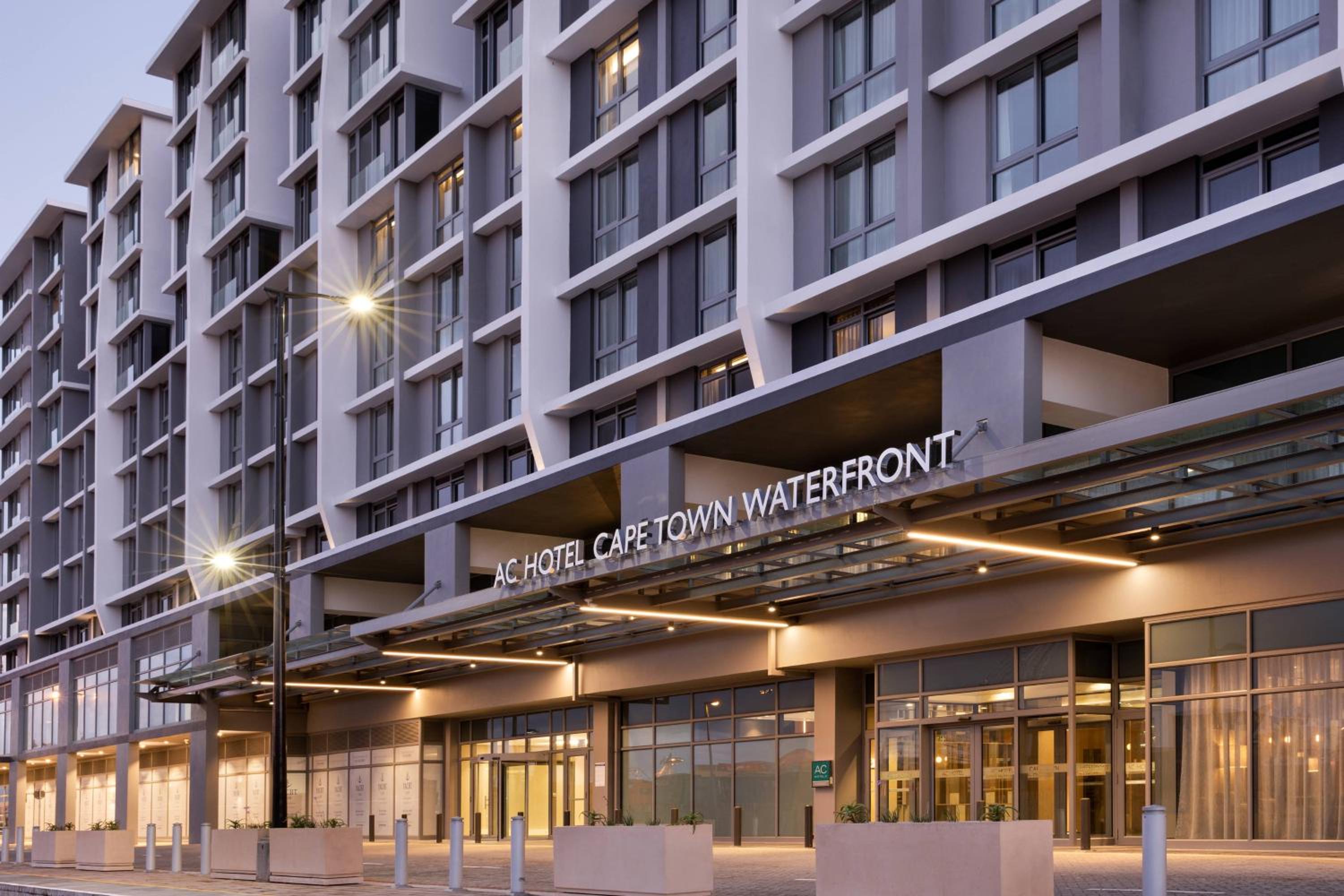
AC Hotel by Marriott Cape Town Waterfront
Dockrail Road, Foreshore
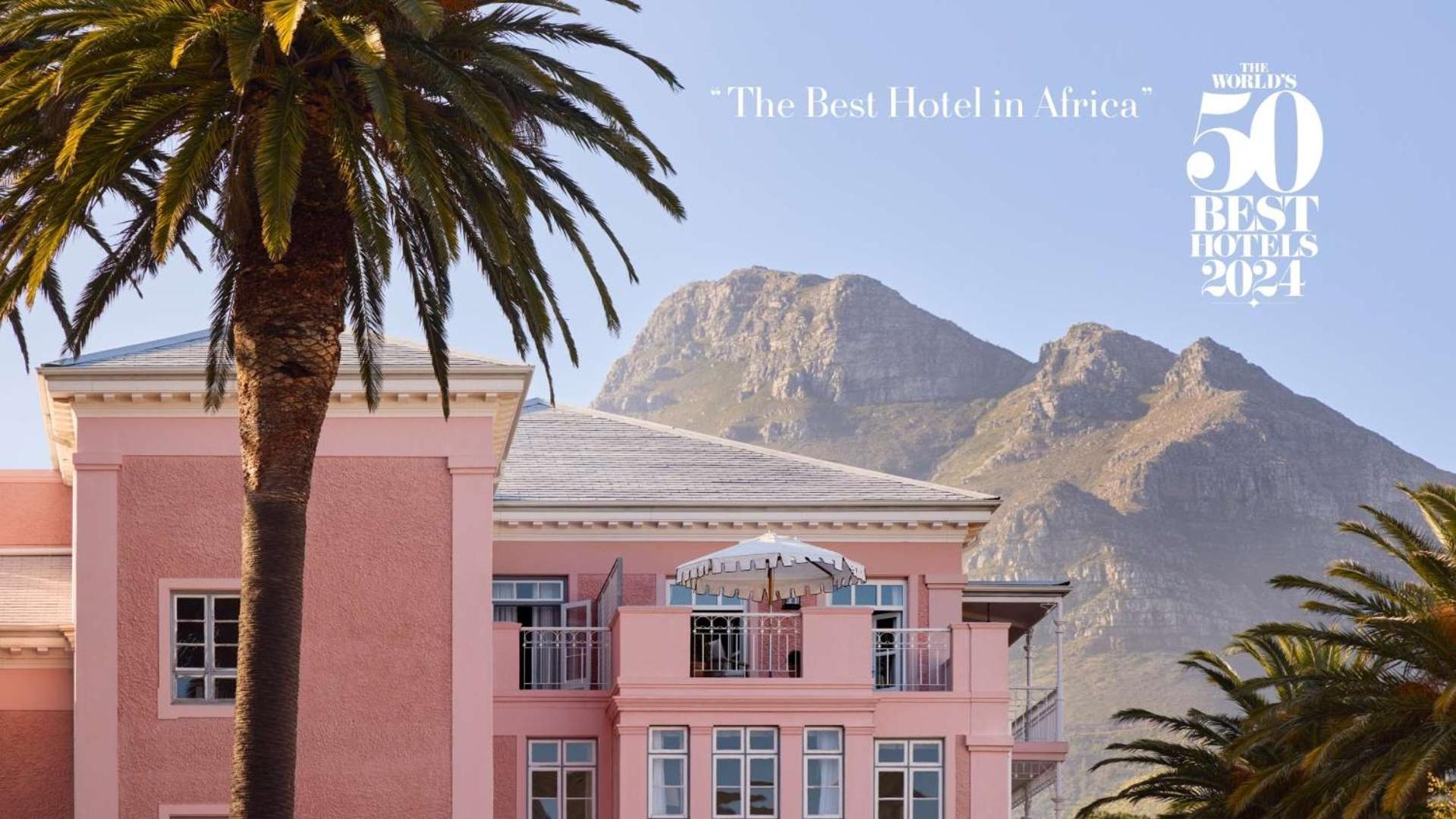
Mount Nelson, A Belmond Hotel, Cape Town
76 Orange Street
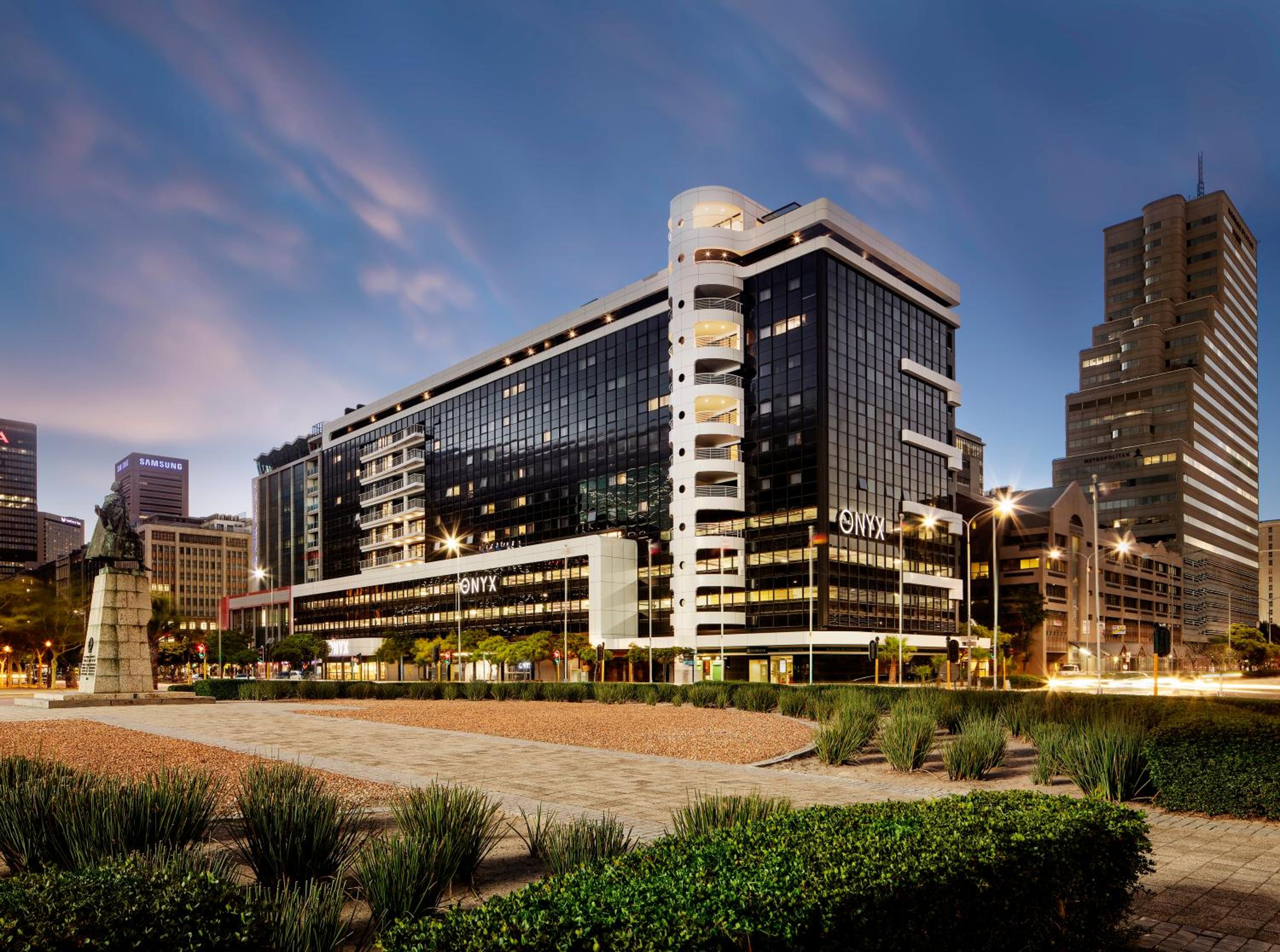
The Onyx Apartment Hotel by NEWMARK
57 Heerengracht Street
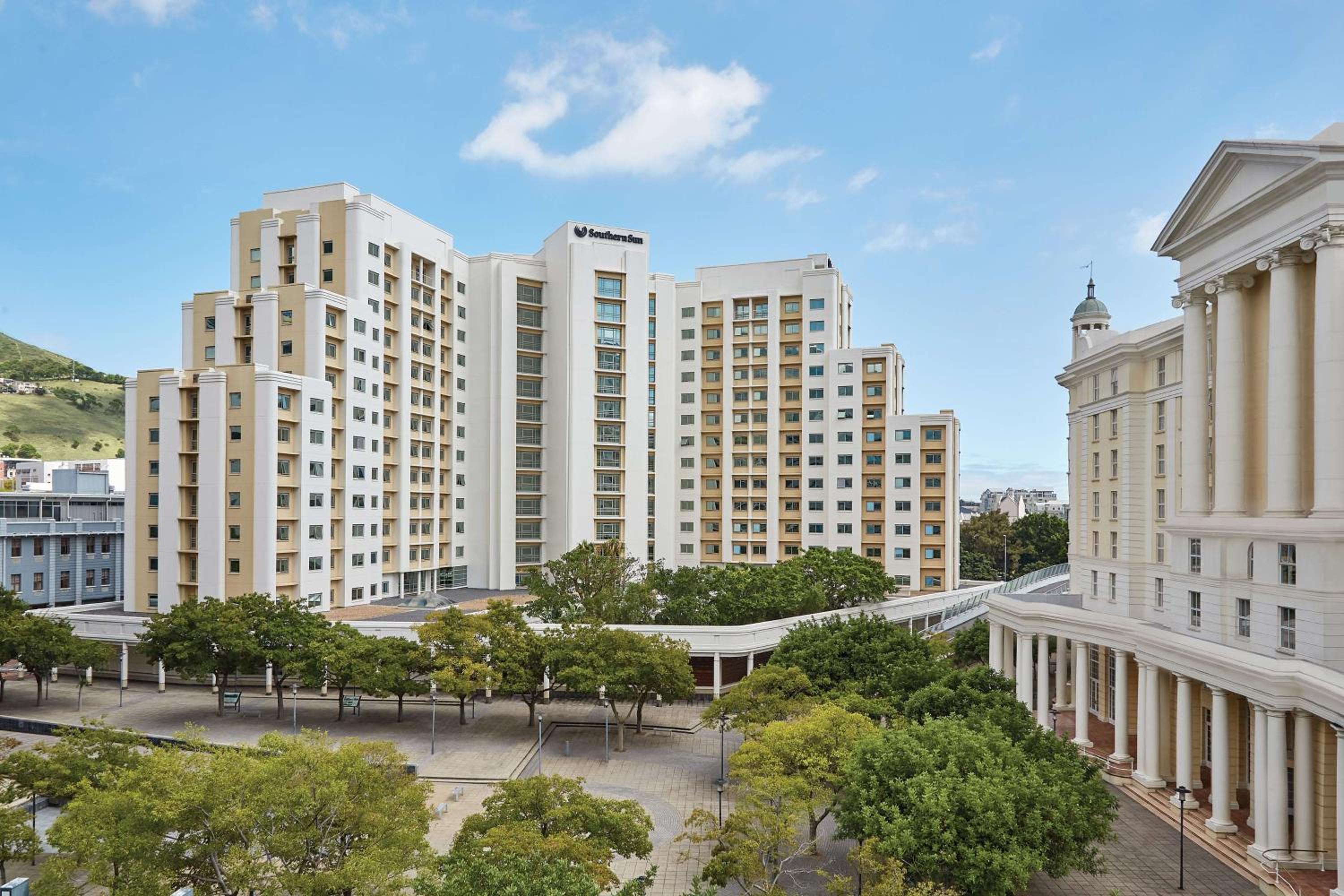
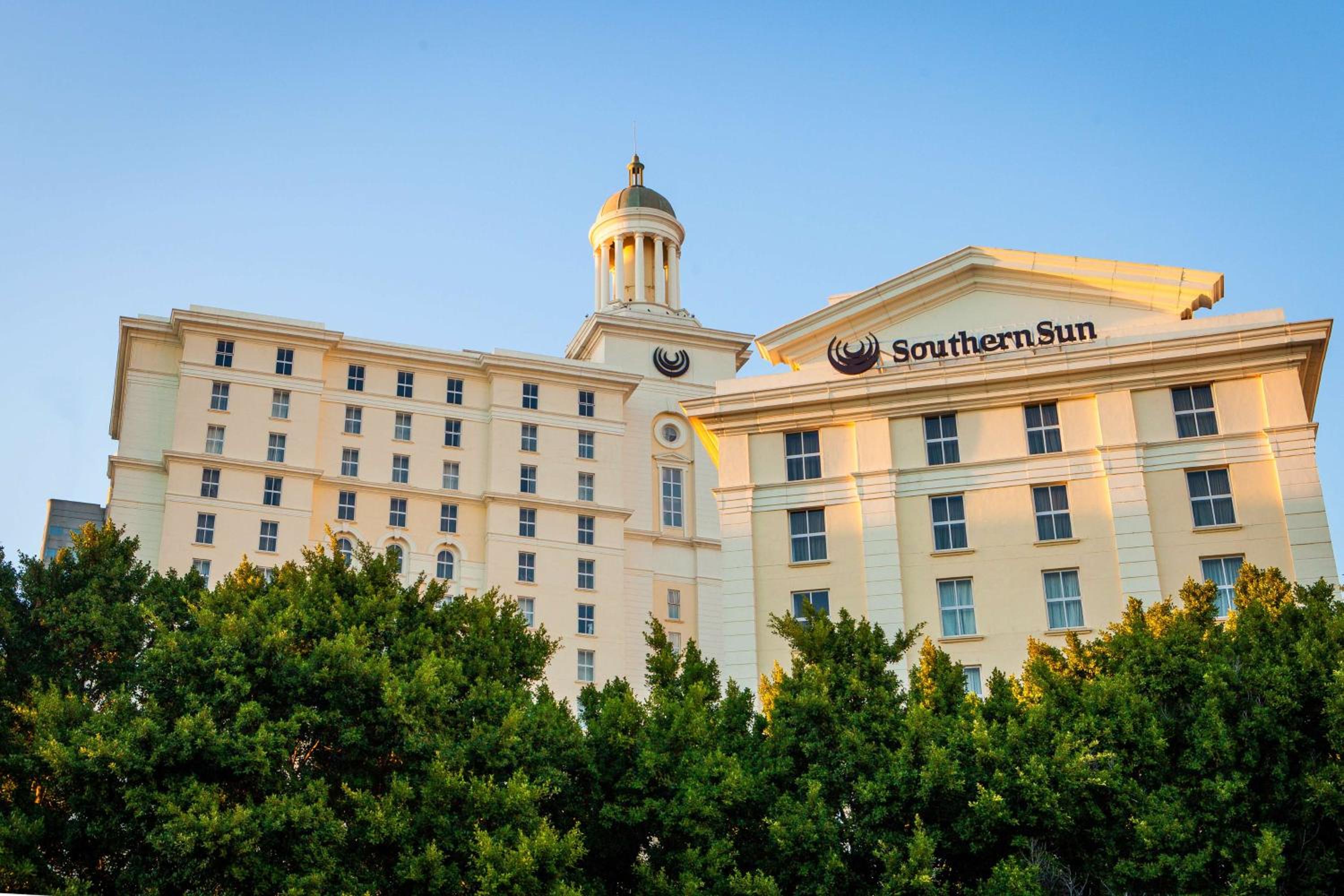
Southern Sun Waterfront Cape Town
1 Lower Buitengracht
Southern Sun The Cullinan
1 Cullinan Street
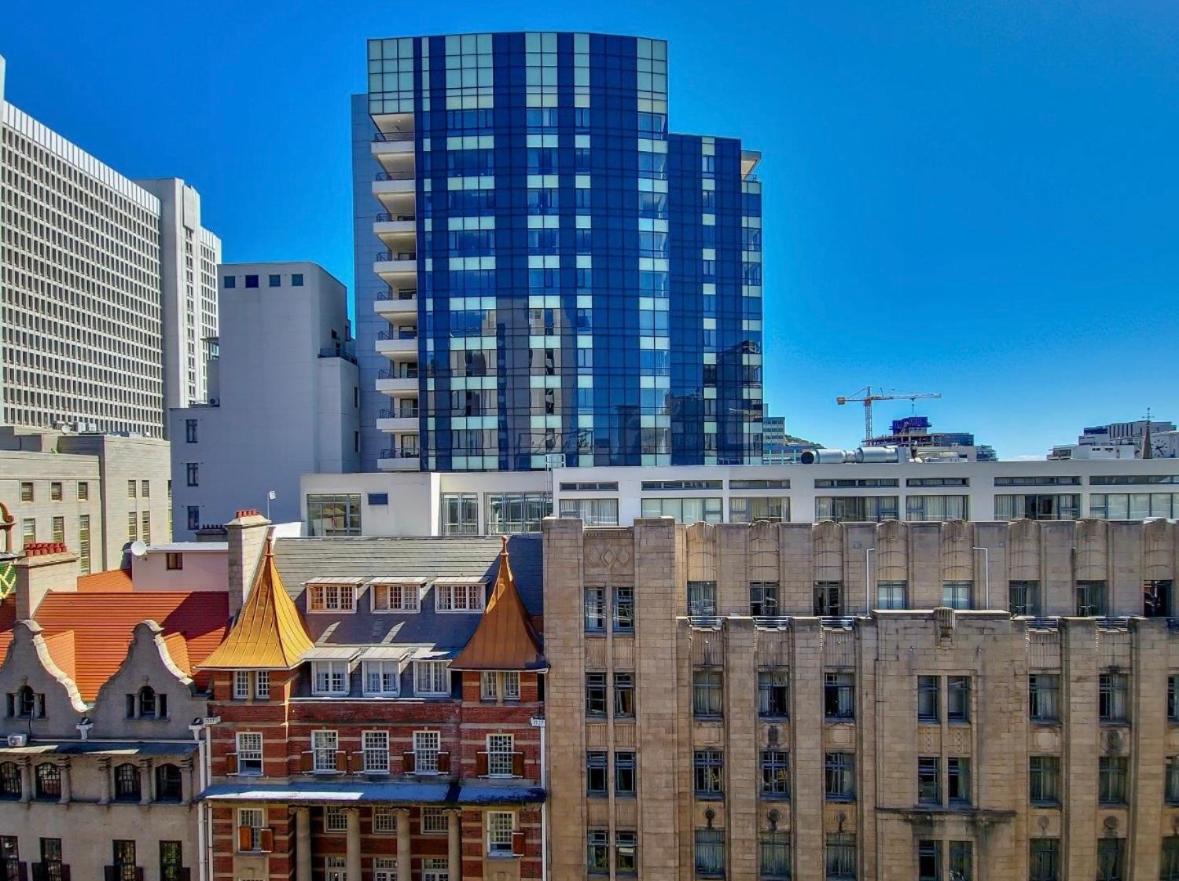
Taj Hotel Cape Town - Taj Residence suites
1 Wale Street
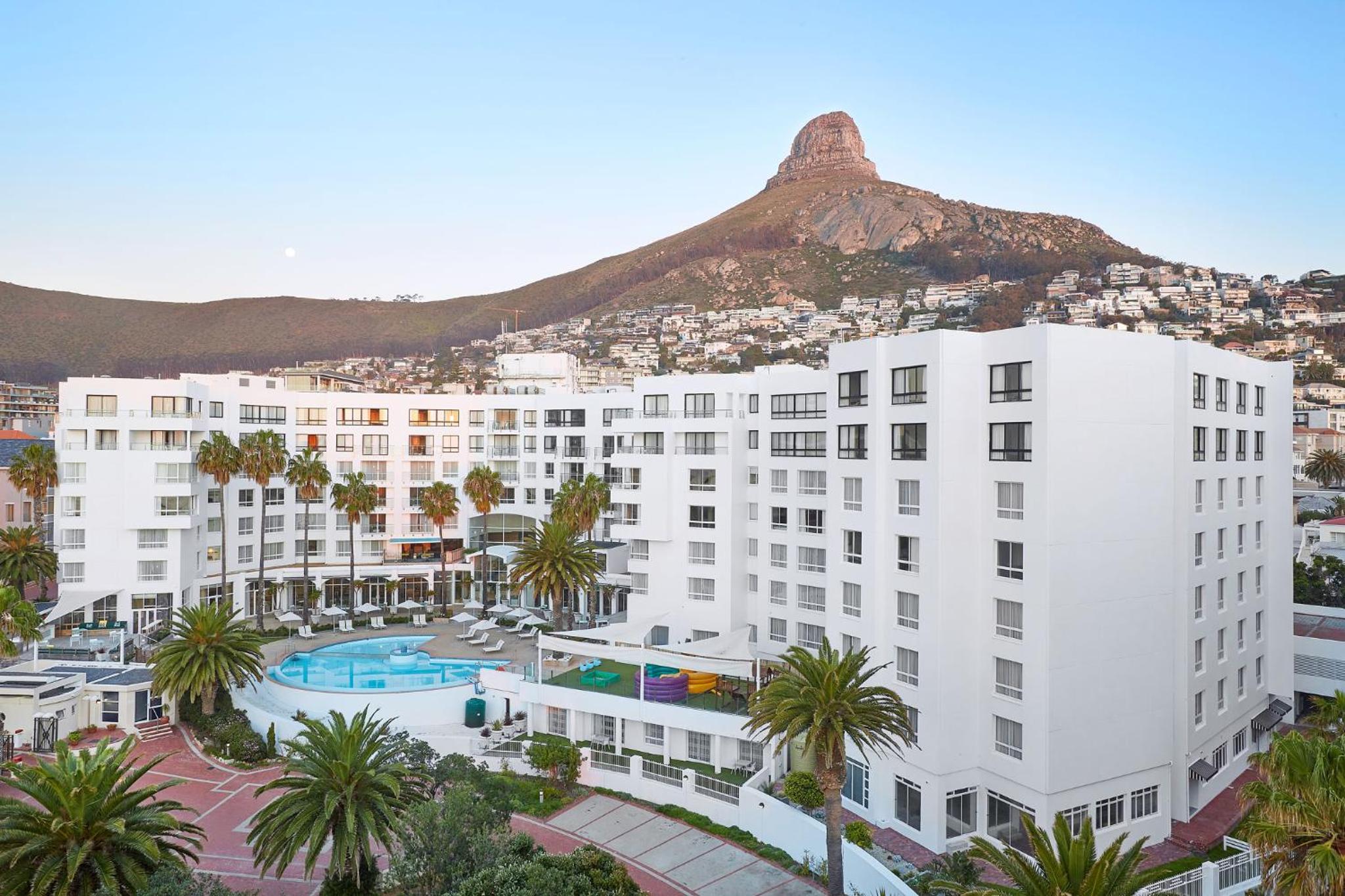
President Hotel
4 Alexander Road
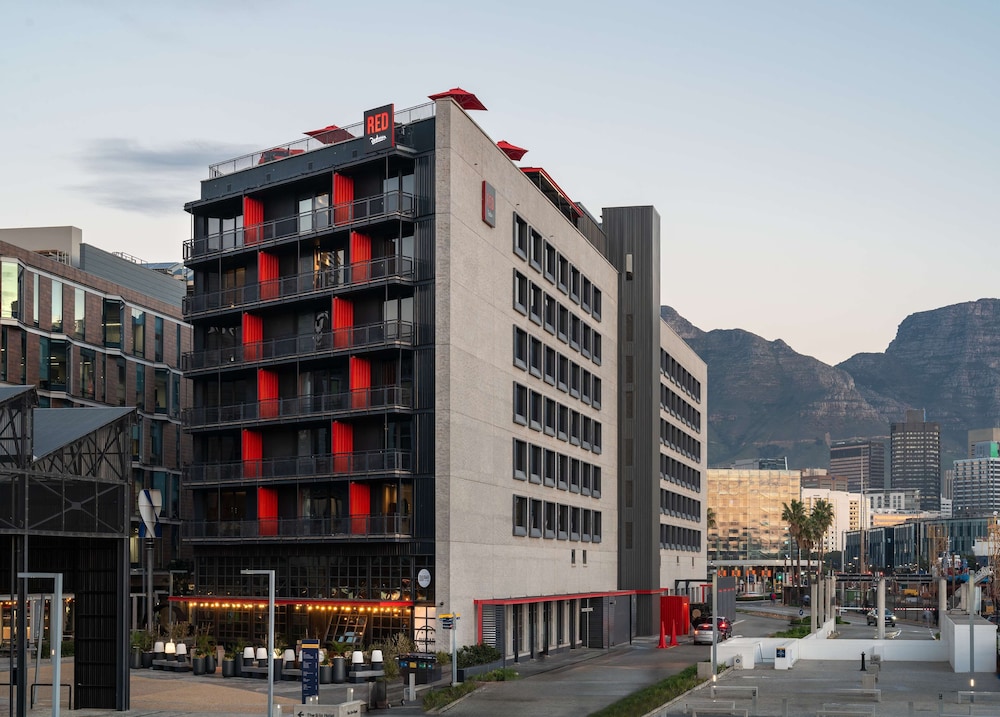
Radisson RED V&A Waterfront, Cape Town
Silo 6, South Arm Road
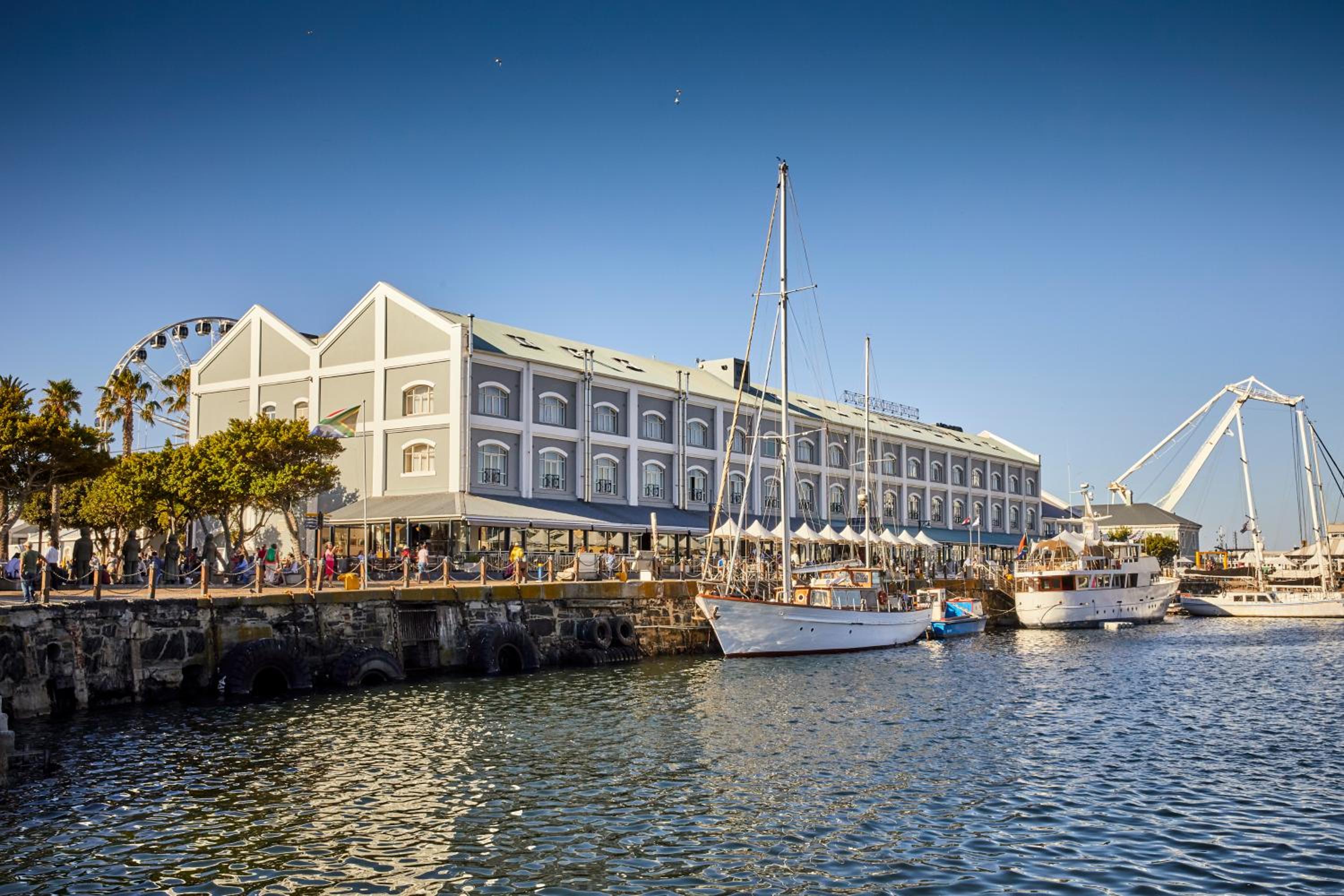
Victoria & Alfred Hotel by NEWMARK
On the Waterfront Pierhead
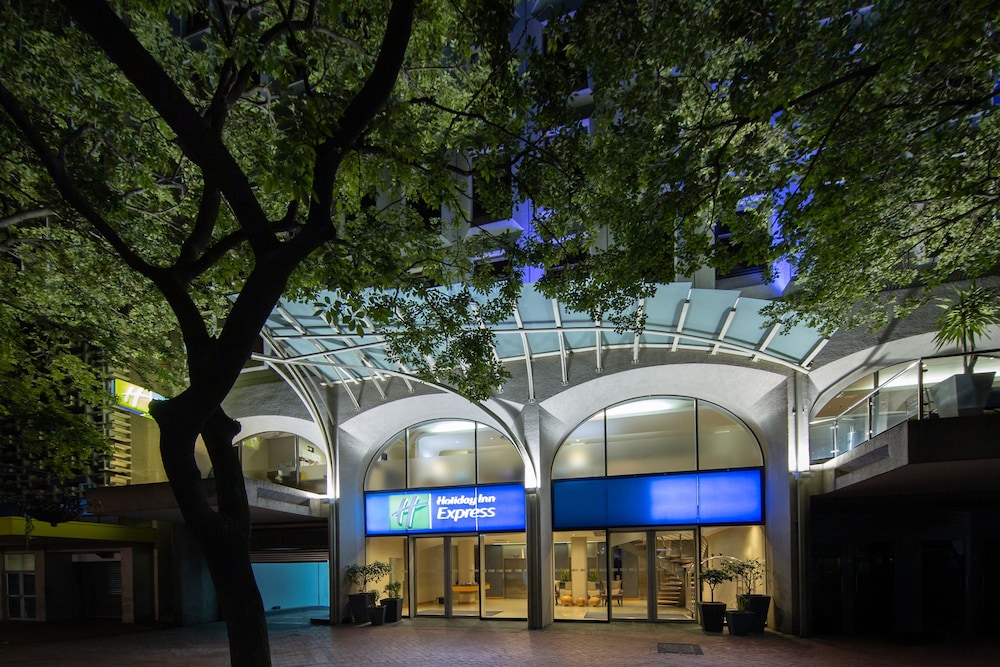
Holiday Inn Express Cape Town City-Centre by IHG
101 St Georges Mall
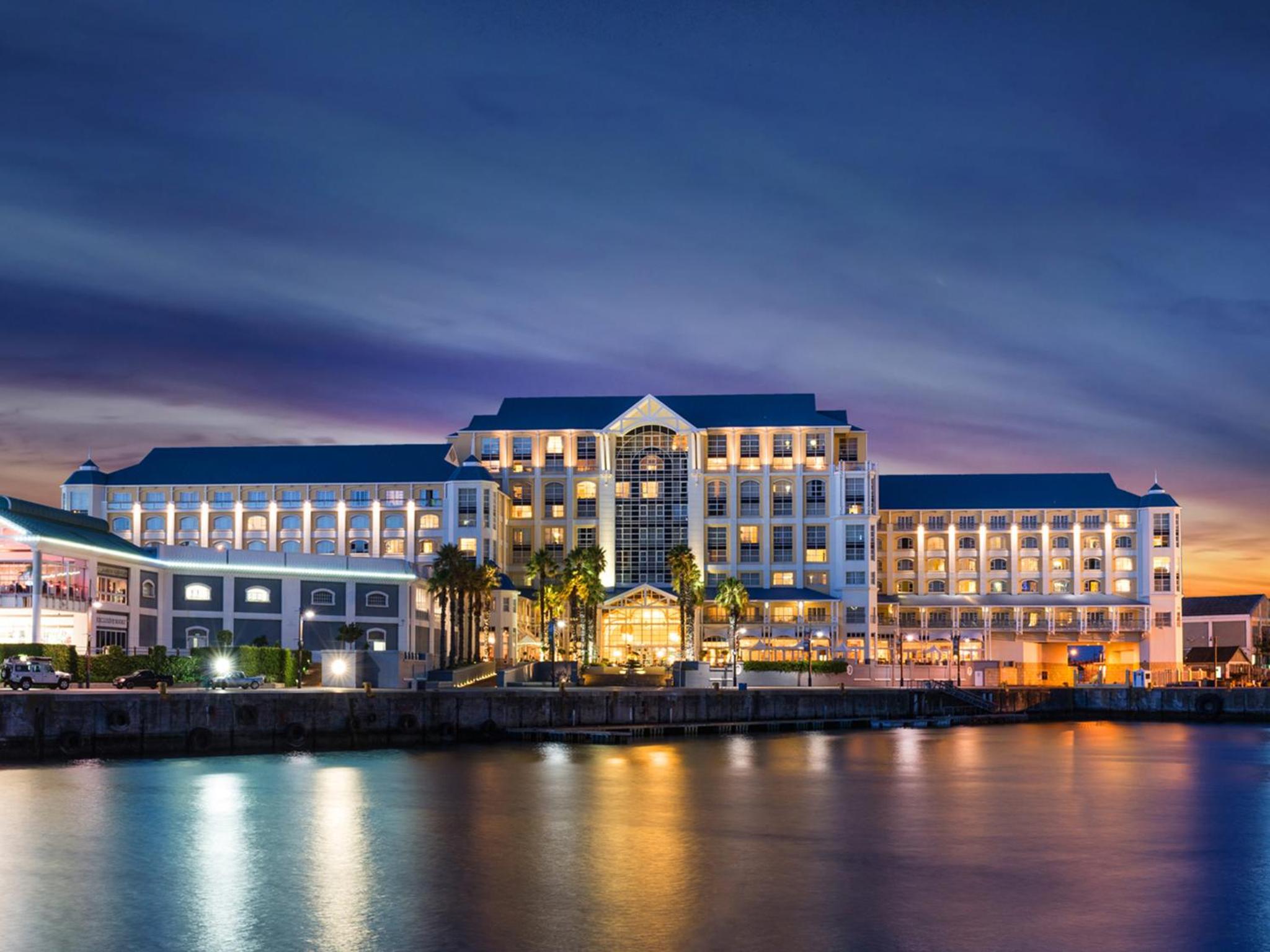
InterContinental Table Bay Cape Town by IHG
Quay 6 Victoria & Alfred
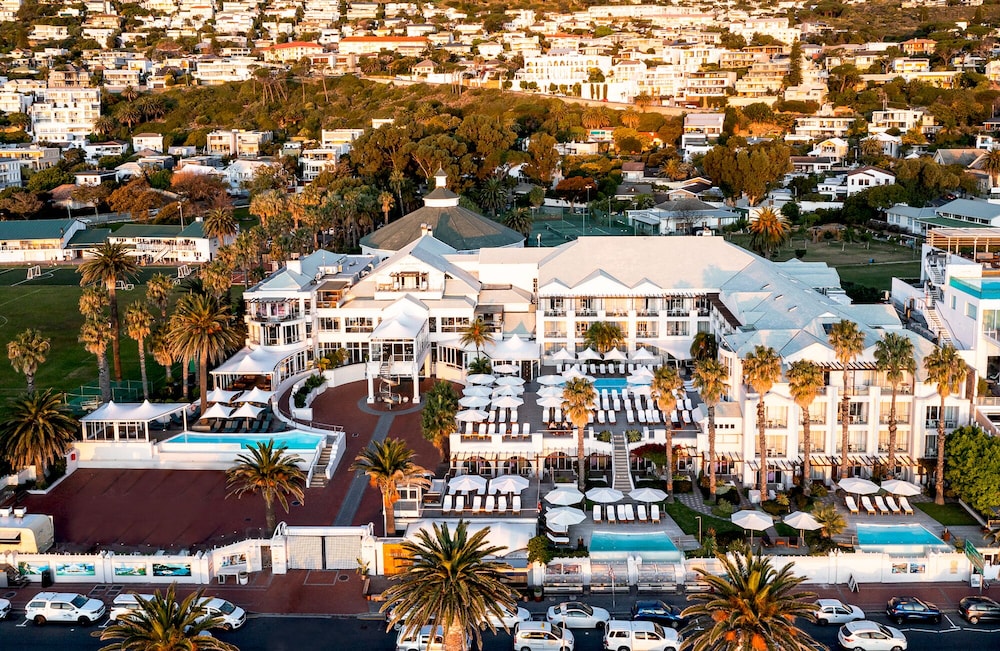
The Bay Hotel
69 Victoria Road
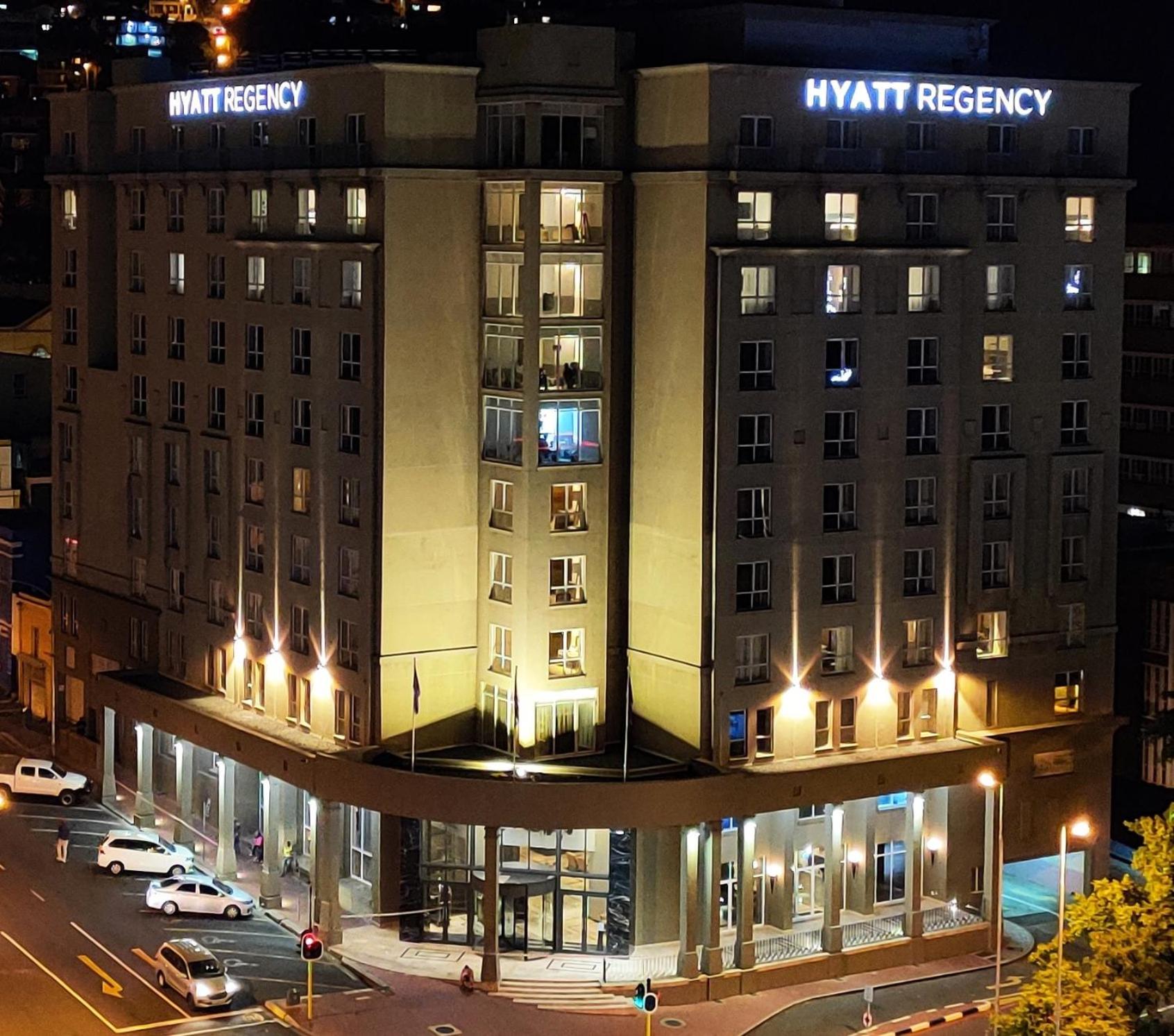
Hyatt Regency Cape Town
BUITENGRACHT STREET, CAPE TOWN CITY
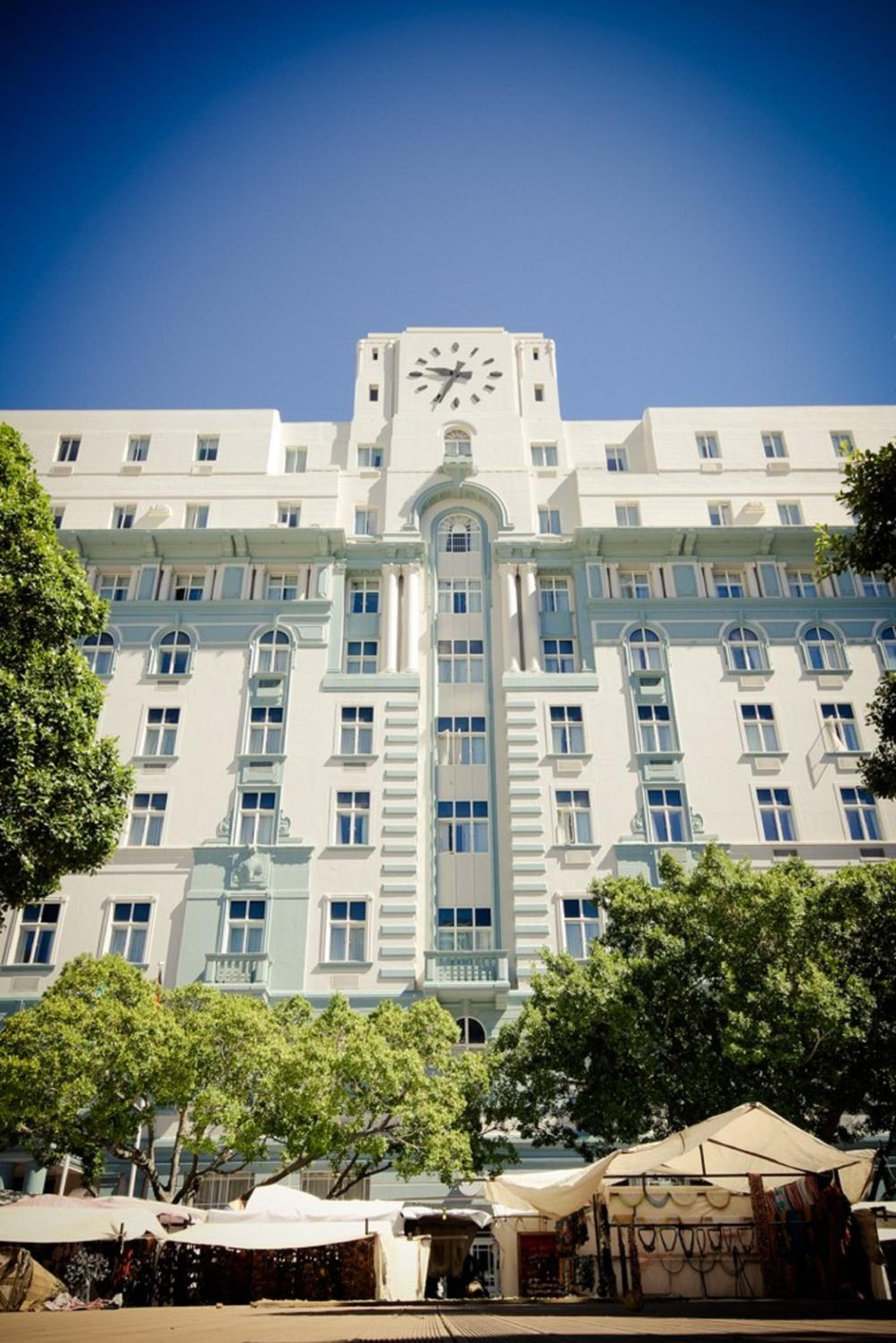
ONOMO Hotel Cape Town – Inn On The Square
10 Greenmarket Square Road
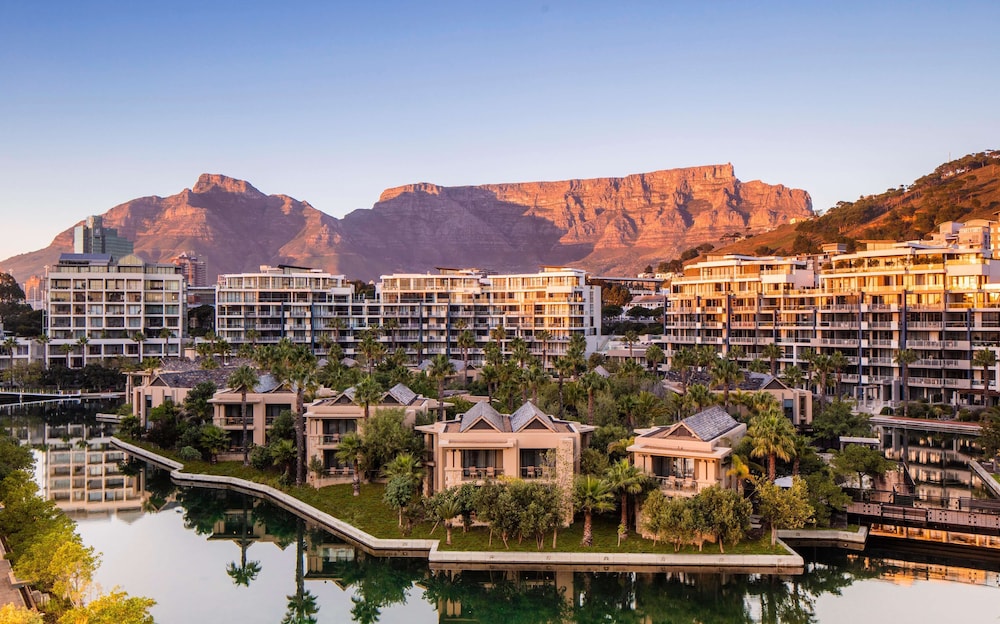
One&Only Cape Town
Dock Road, V & A Waterfront
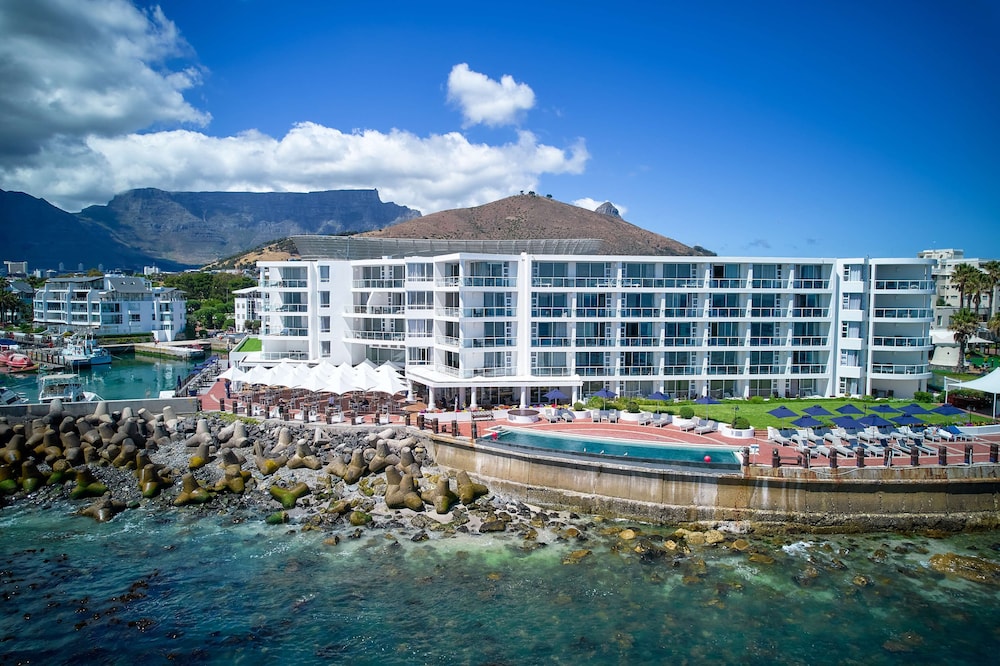
Radisson Collection Hotel, Waterfront Cape Town
Beach Road Granger Bay
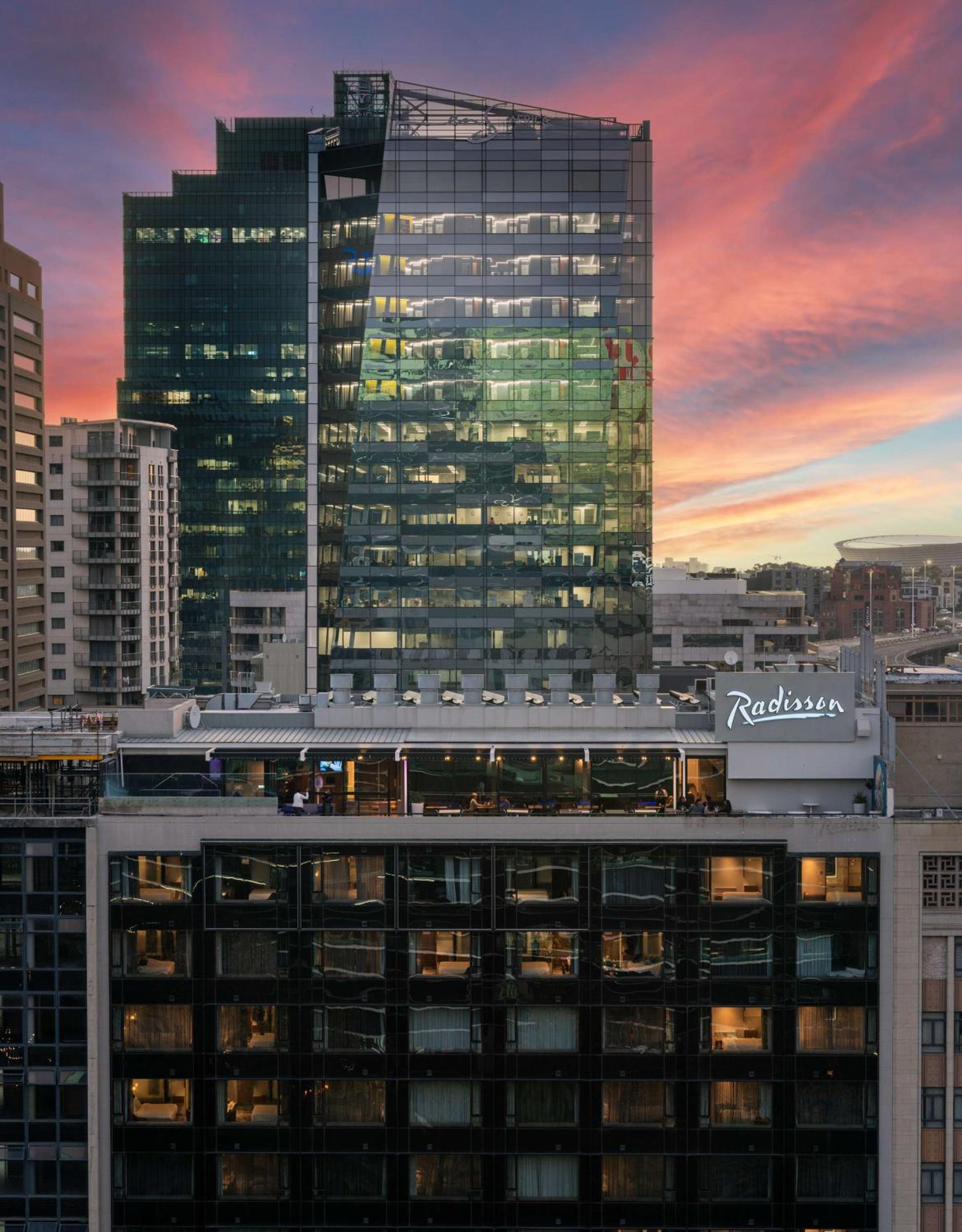
Radisson Hotel Cape Town Foreshore
29 Heerengracht Street
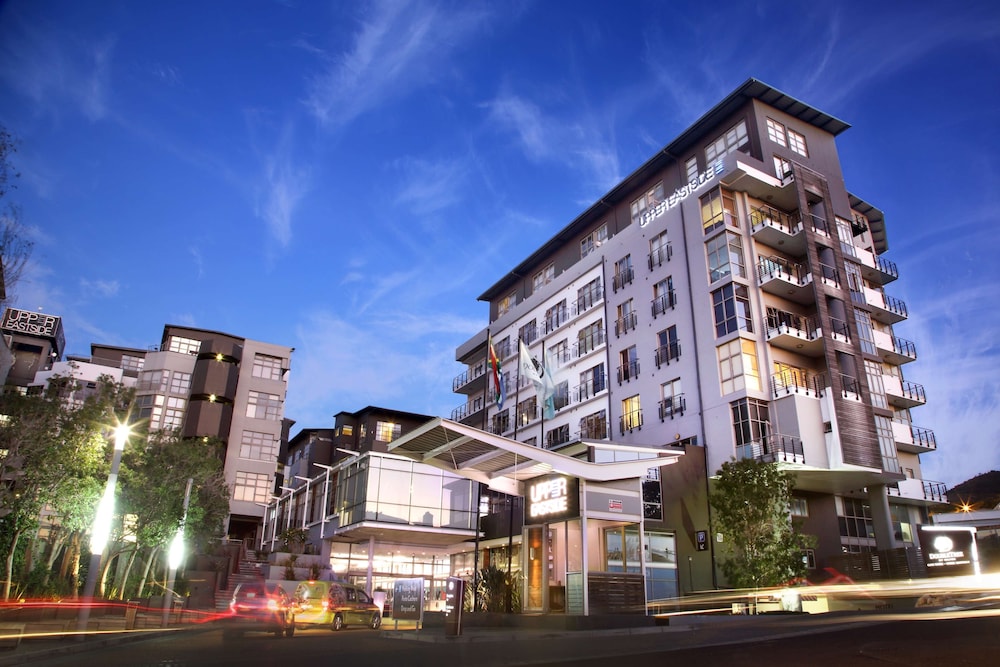
DoubleTree by Hilton Cape Town - Upper Eastside
31 Brickfield Road
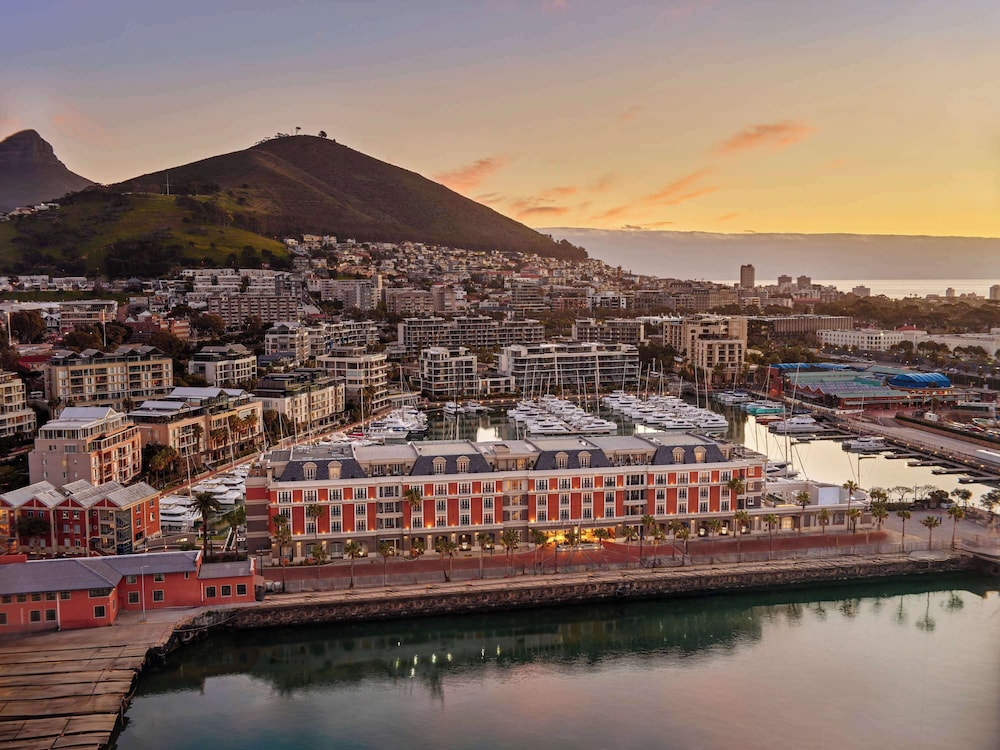
Cape Grace, A Fairmont Managed Hotel
West Quay Road
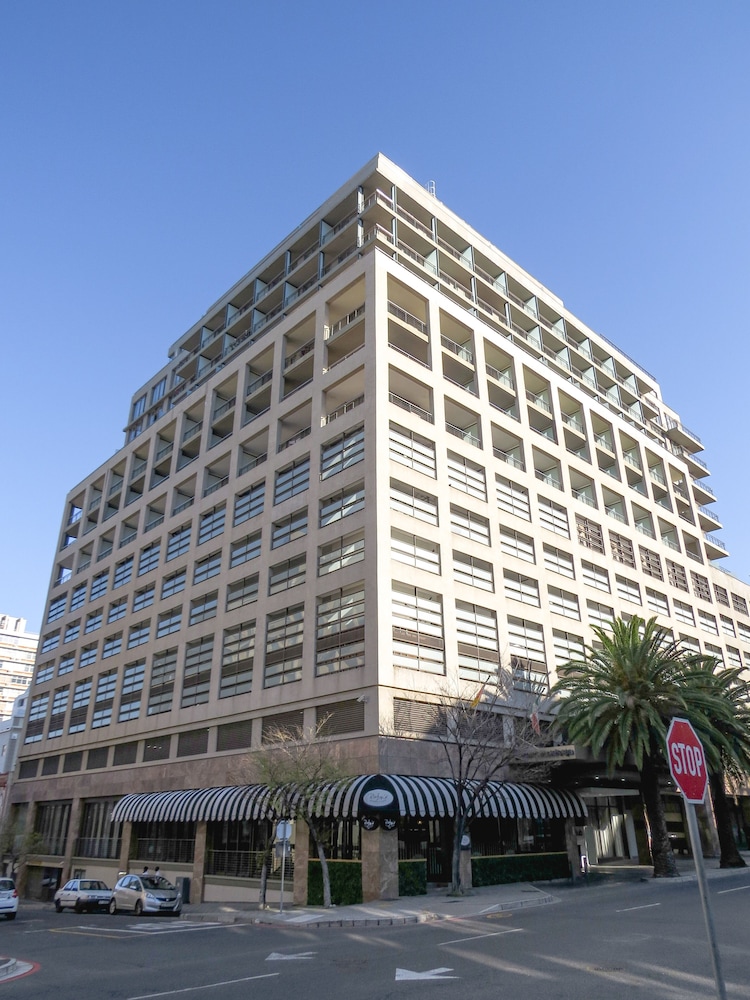
Pepperclub Hotel
Cnr Loop and Pepper Street
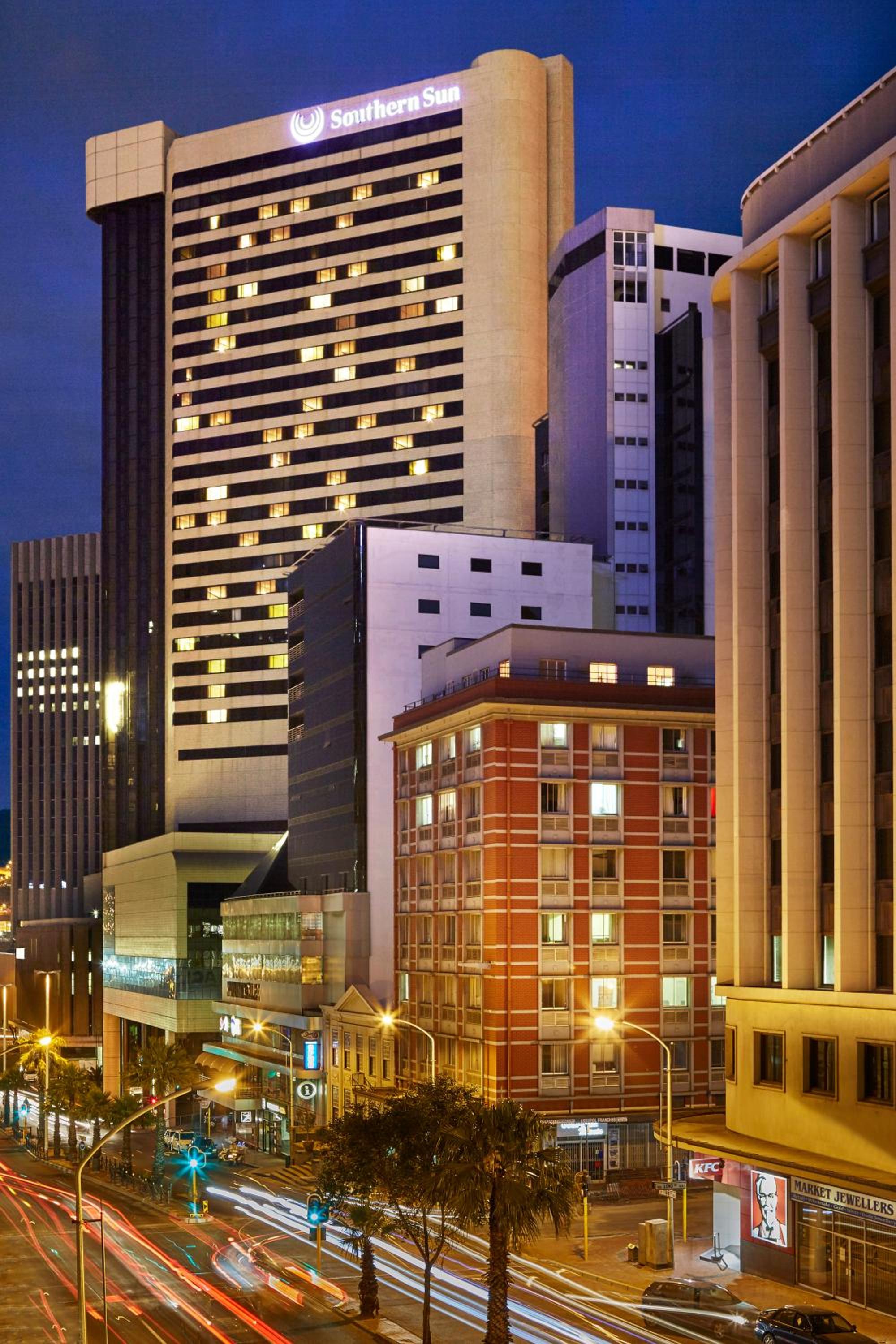
Southern Sun Cape Sun
23 Strand Street
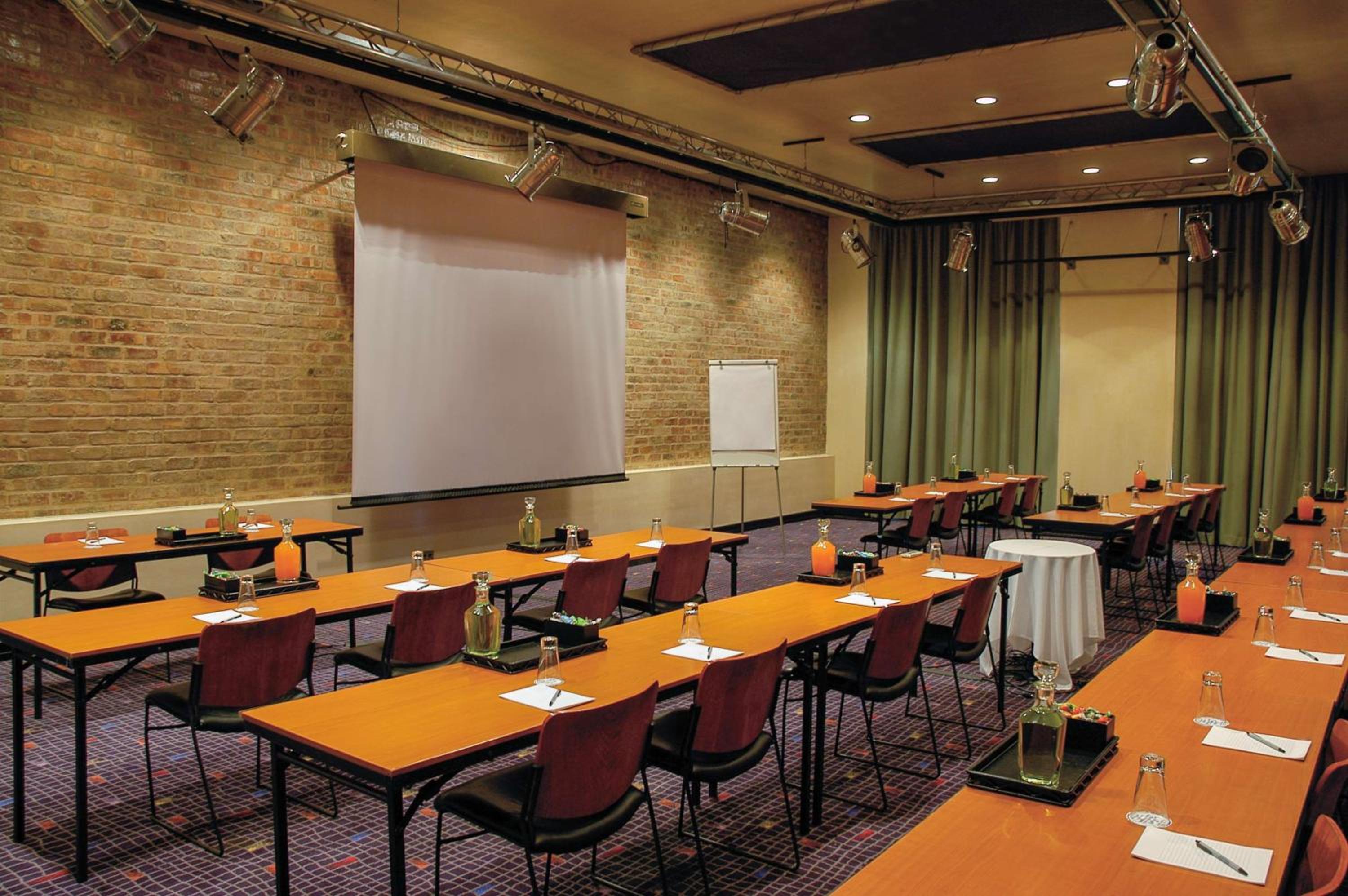
Garden Court Victoria Junction
Corner Somerset And Ebenezer Roads
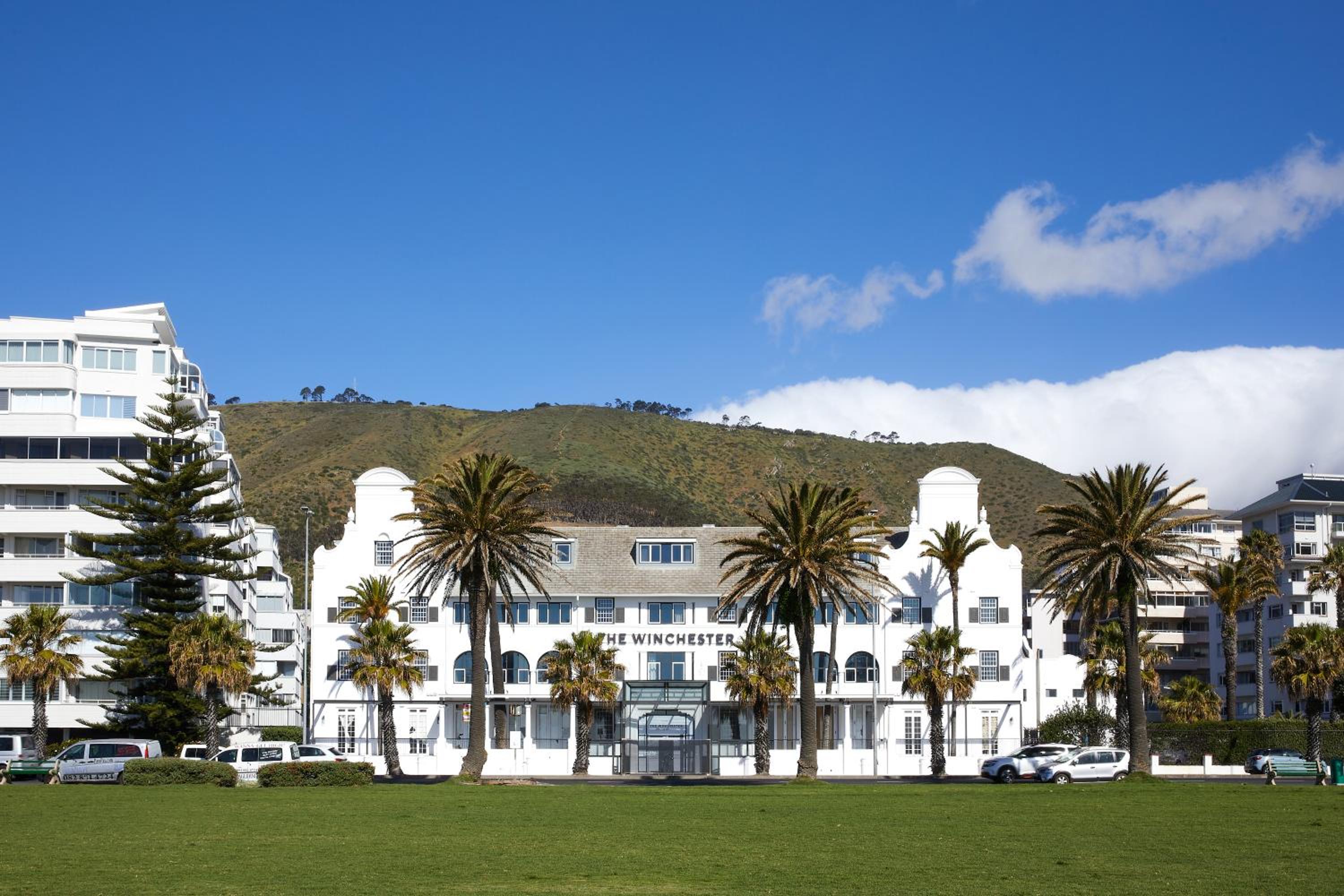
The Winchester Hotel by NEWMARK
221 Beach Road
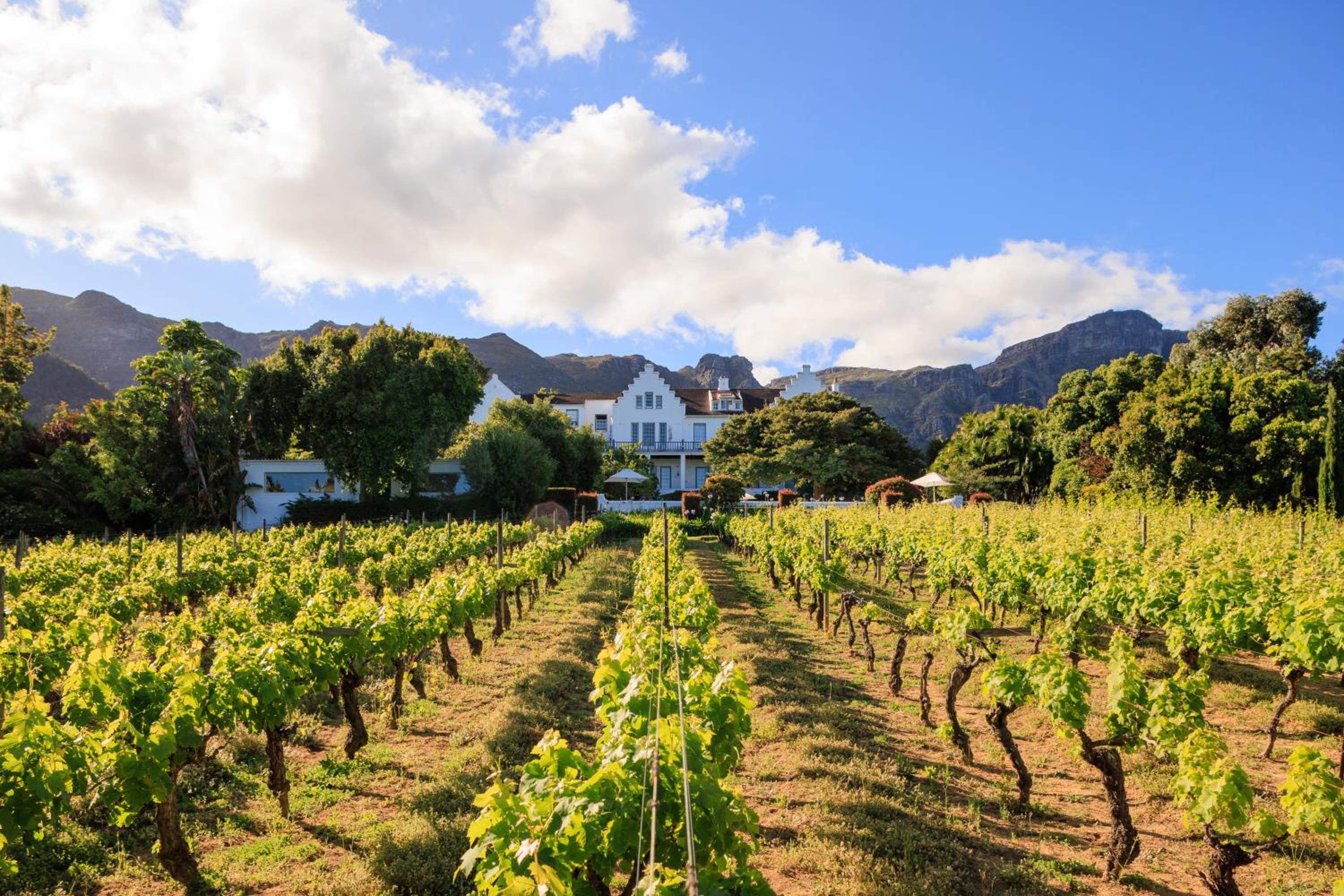
The Cellars-Hohenort
93 Brommersvlei Road
Looking for More Options?
Browse thousands of hotels in Cape Town, South Africa with real-time pricing and availability
Browse All HotelsPowered by our hotel partners
Recommended Restaurants

Interesting Facts
Cape Town is often dubbed the 'Mother City' not because it's the largest, but because it was the first European settlement in South Africa, established in 1652, making it the oldest city in the country.
The vibrantly painted houses of Bo-Kaap are more than just beautiful; they historically symbolised defiance. After slavery was abolished, former enslaved people were allowed to buy houses and painted them in bright colours as a joyous expression of freedom, contrasting with the previous Dutch colonial restriction to white or muted tones.
Kirstenbosch National Botanical Garden in Cape Town is one of only 10 botanical gardens worldwide (and the only one in Africa) to be declared a UNESCO World Heritage Site, recognised for its unique Fynbos biome within the Cape Floristic Region.
Table Mountain is an incredible biodiversity hotspot, home to over 2,200 plant species – more than the entire United Kingdom – with many of these found nowhere else on Earth, making it a critical part of the Cape Floristic Region, the smallest but richest of the world's floral kingdoms.
Every year on January 2nd (Tweede Nuwe Jaar or 'Second New Year'), Cape Town erupts with the Kaapse Klopse (Cape Minstrel Carnival). Thousands of elaborately dressed minstrels parade through the streets, a tradition born from former enslaved people celebrating their one day off in the year.
While often mistaken as the southernmost tip of Africa, Cape Point is famous for being the dramatic meeting point of two mighty ocean currents: the cold Benguela Current from the Atlantic and the warm Agulhas Current from the Indian Ocean, creating visible chop and a unique marine ecosystem.
Cape Town is the birthplace of 'Cape Malay' cuisine, a delectable fusion of aromatic spices, fruits, and stews brought by slaves and political exiles from Dutch colonies like Indonesia and Malaysia, blending seamlessly with local African ingredients to create unique dishes like Bobotie and Denningvleis.
Penguins freely roam the beaches of Simon's Town at Boulders Beach, home to a thriving colony of endangered African Penguins. Visitors can observe these charming birds waddling just meters away on specially built boardwalks.