
Graz, Austria
Overview
Graz, Austria boasts a captivating blend of baroque architecture and vibrant student culture. Wander through the charming old town, a UNESCO World Heritage site, marvel at the iconic Schlossberg clock tower, and soak in the lively atmosphere of this enchanting city.
Best Time to Travel
Best Months
May to October
During the best months, Graz experiences pleasant to warm temperatures, with many sunny days ideal for sightseeing. Spring and autumn offer mild conditions and beautiful natural scenery, while summer is warm and inviting.
Months to Avoid
November to March - generally colder, greyer, and can be damp or snowy, making outdoor exploration less comfortable. However, December is popular for Christmas markets.
Consider visiting during other months
Peak Season
July and August are the peak summer tourist months; December also sees a surge in visitors for its renowned Christmas markets.
Expect larger crowds and higher prices
Top Things to Do

St. Johann und Paul

Schloss Gamlitz

Opera Graz

Schloss Kornberg Bardeau'sches Kultur- und Ausstellungszentrum

Zotter Schokolade

Weingut Bockmoar

Kunsthaus Graz

Styrian Armory

Museum Hartberg

Weingut MUSTER.GAMLITZ

Doppelwendeltreppe

Graz Cathedral

Steirerkraft Kernothek

Altstadt von Graz

Glashütte Stölzle Bärnbach

Schloss Eybesfeld

Hauptplatz der Stadt Graz

Allerheiligenkirche

Schloss Freiberg

Österreichisches Brückenbaumuseum

Hotel & Therme NOVA Köflach

Hotel Restaurant Römerstube

Garten-Hotel Ochensberger

JUFA Hotel Bruck an der Mur

Hotel Allmer

Pfeiler's Bürgerstüberl - Hotel
Recommended Hotels
Search All Hotels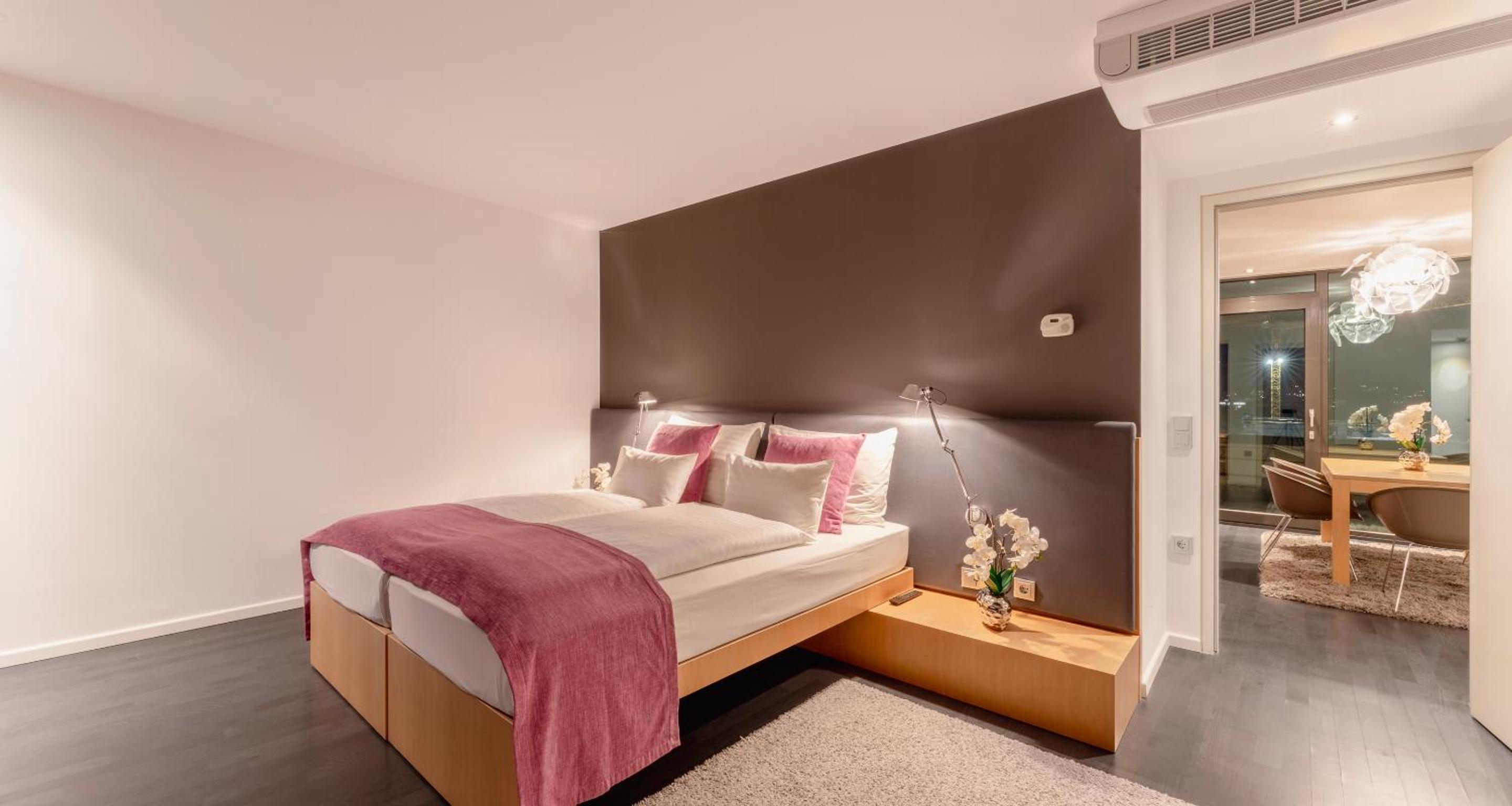
PLAZA INN Graz Messe
Conrad Von Hoetzendorf Str 92-96
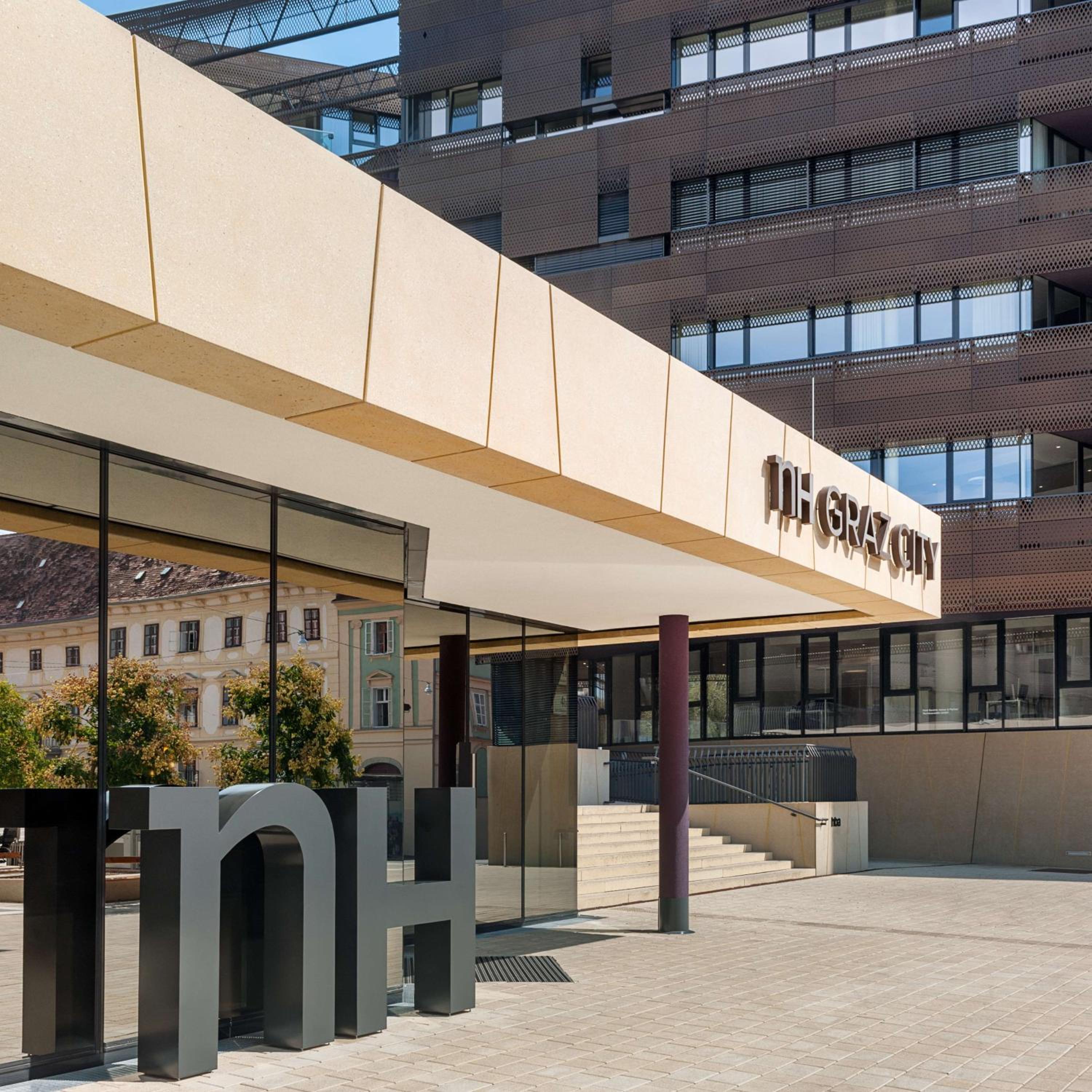
NH Graz City
Karmeliterplatz 4z/4b
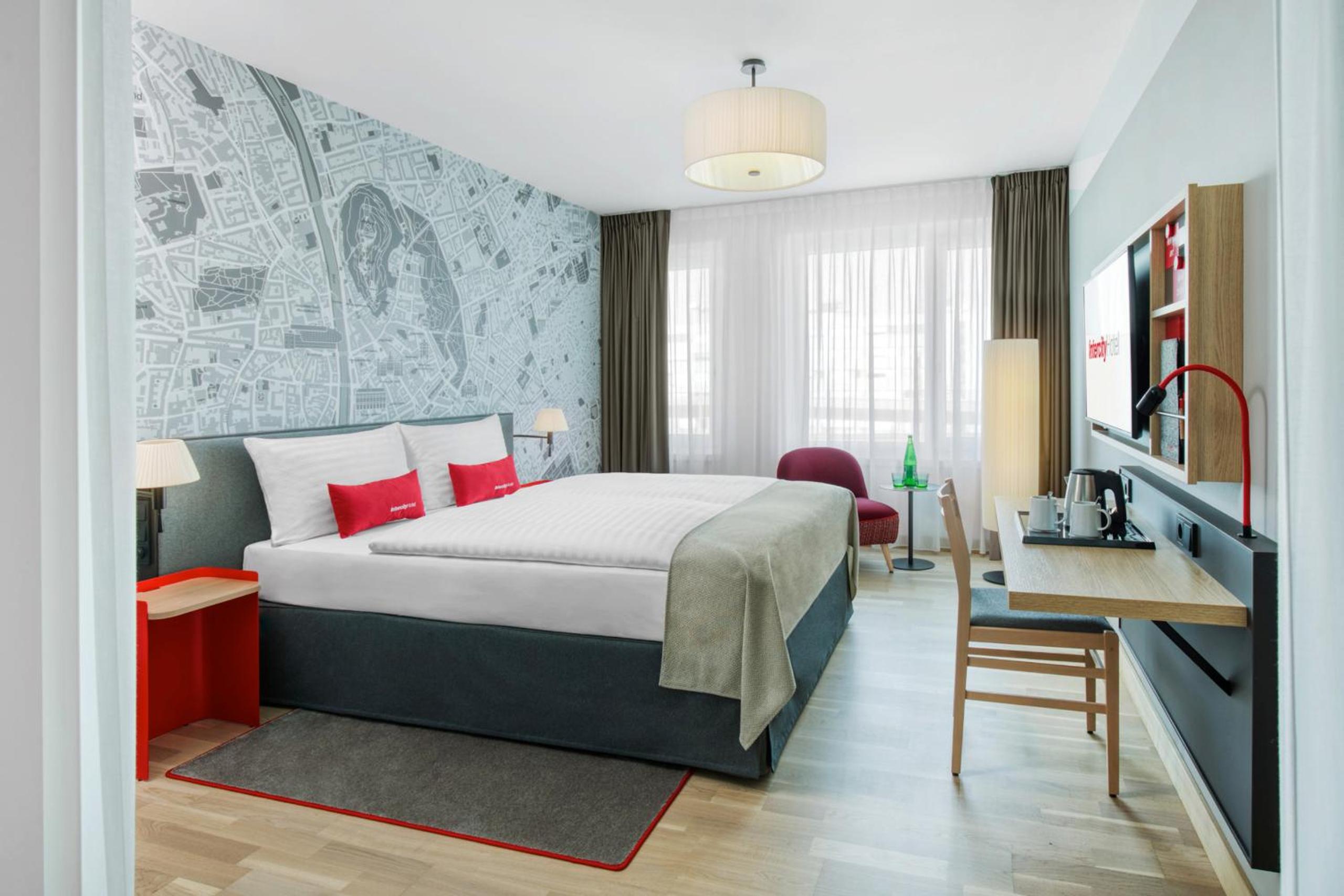
IntercityHotel Graz
Finkengasse 2
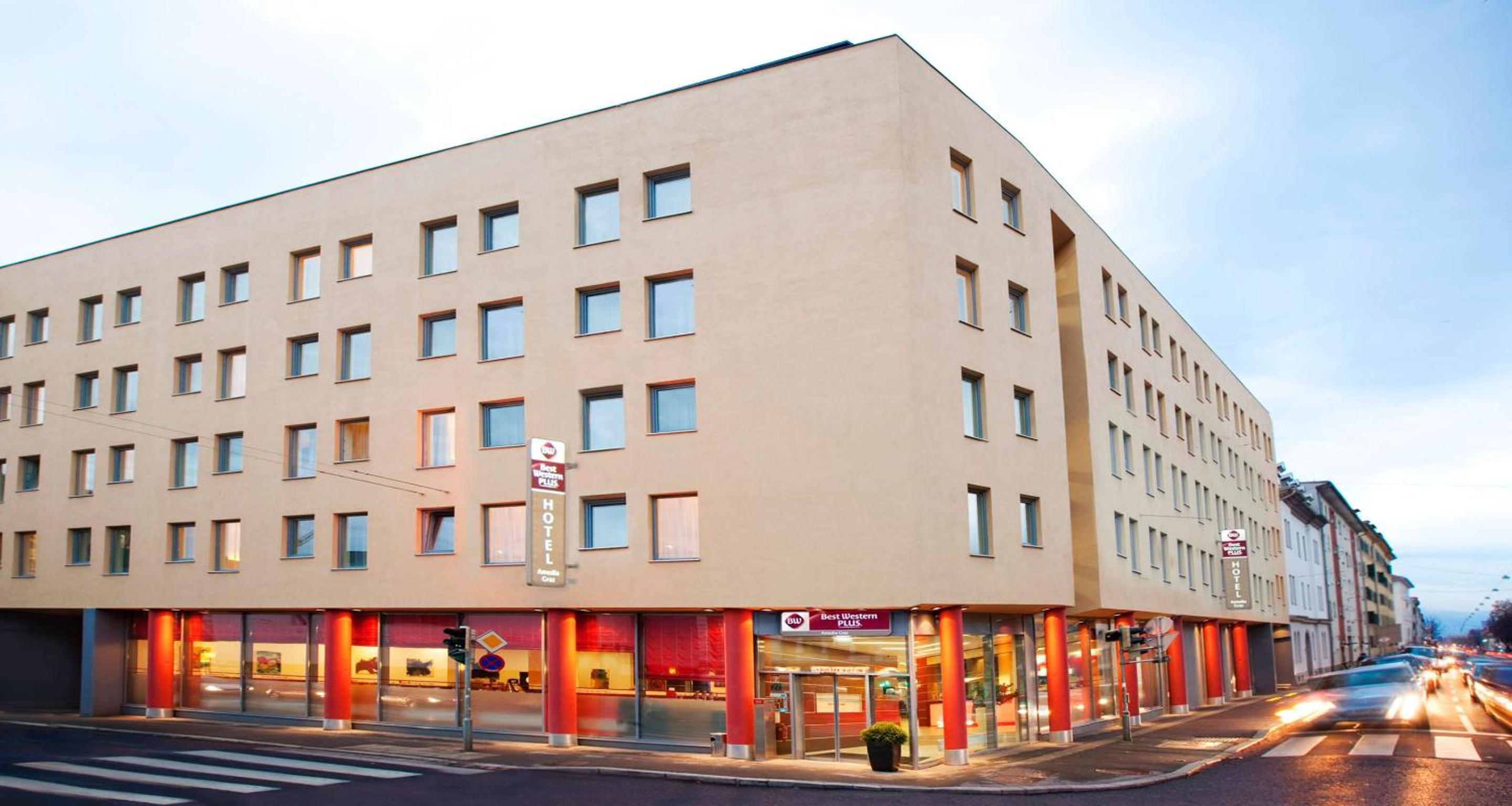
PLAZA INN Graz City
Conrad-von-Hoetzendorf-Strasse 60
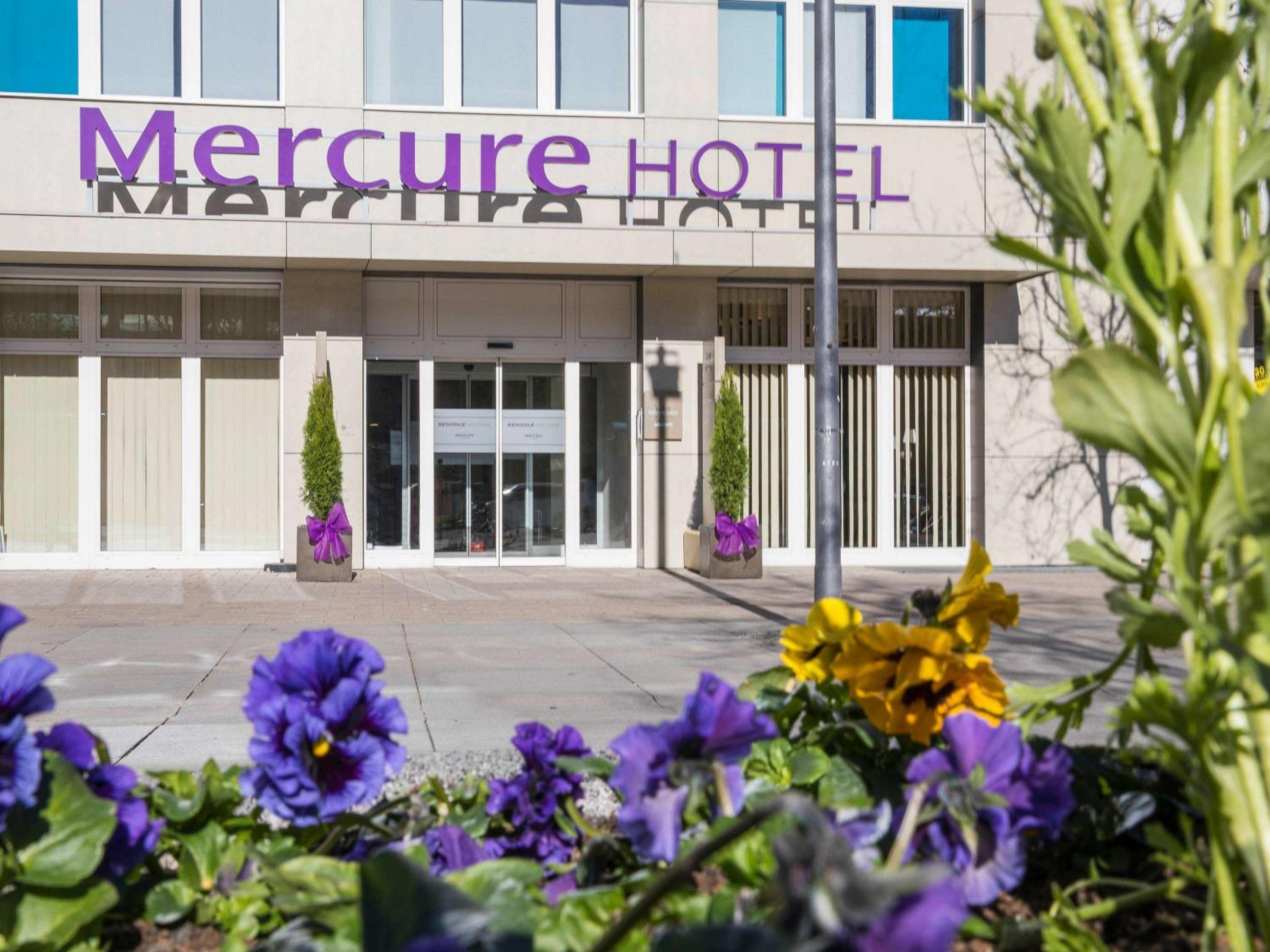
Hotel Mercure Graz City
Lendplatz 36-37
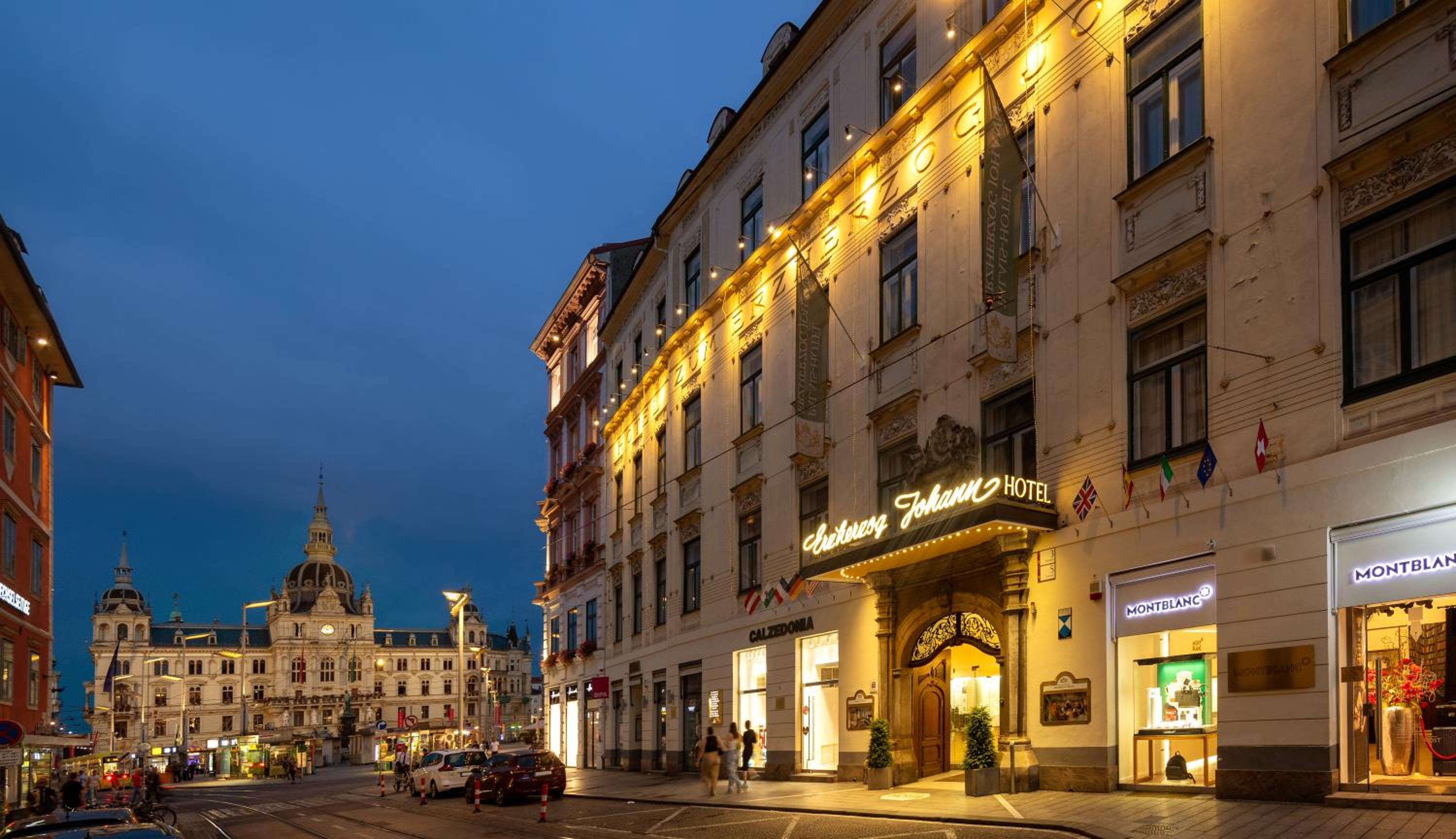
Palais-Hotel Erzherzog Johann
Sackstraße 3-5
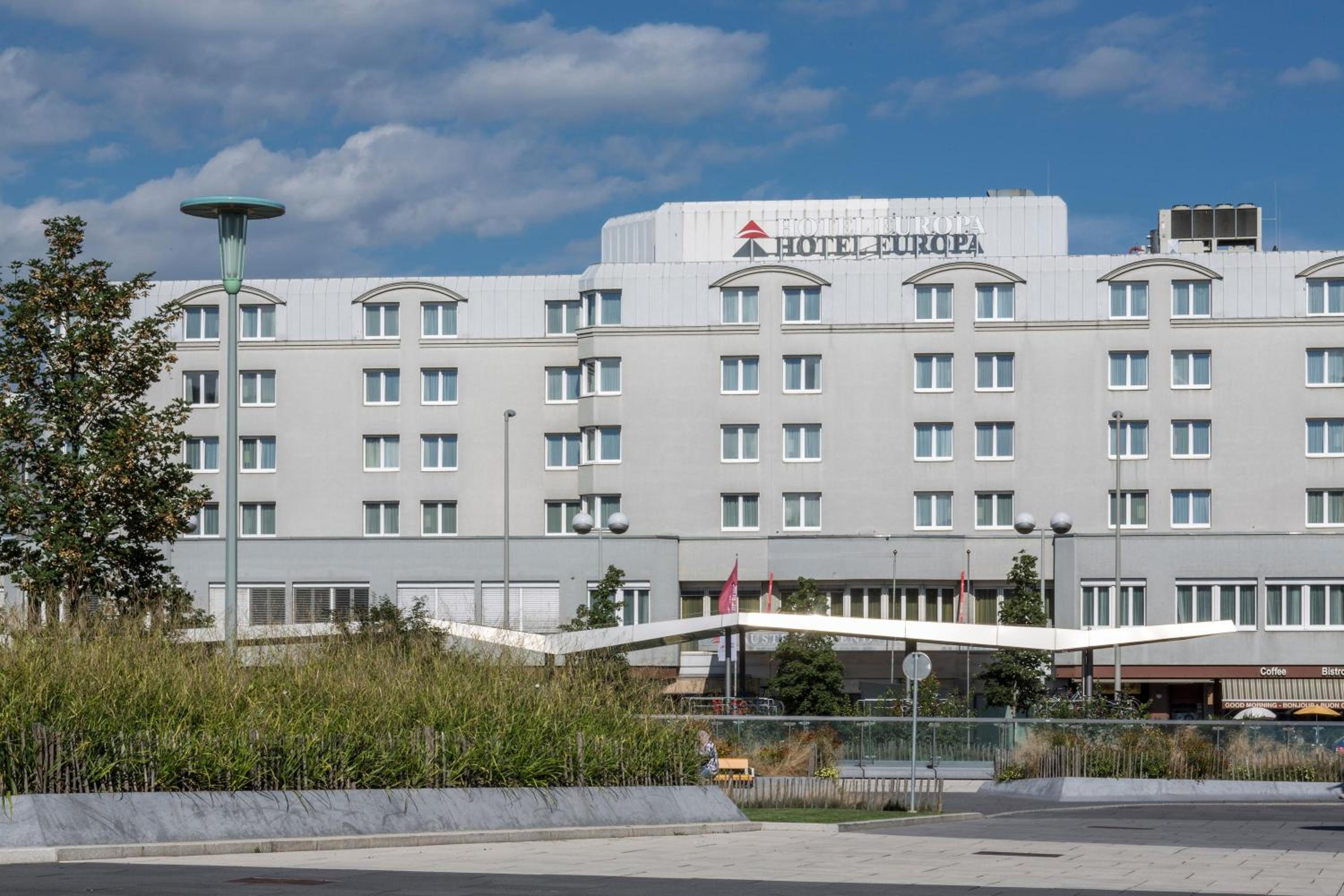
Austria Trend Hotel Europa Graz Hauptbahnhof
Bahnhofguertel 89
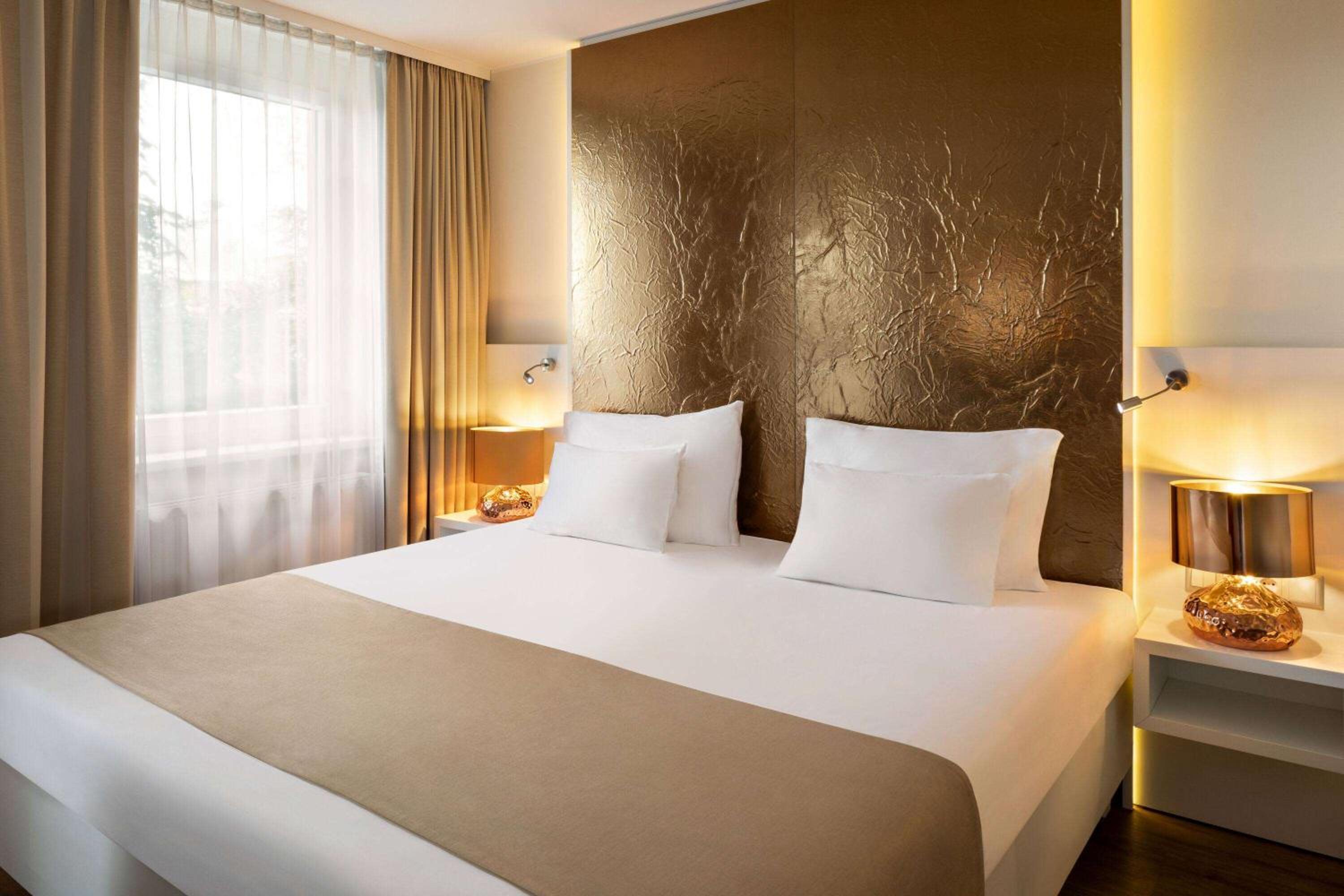
Amedia Luxury Suites Graz, Trademark Collection by Wyndham
Evangelimanngasse 6
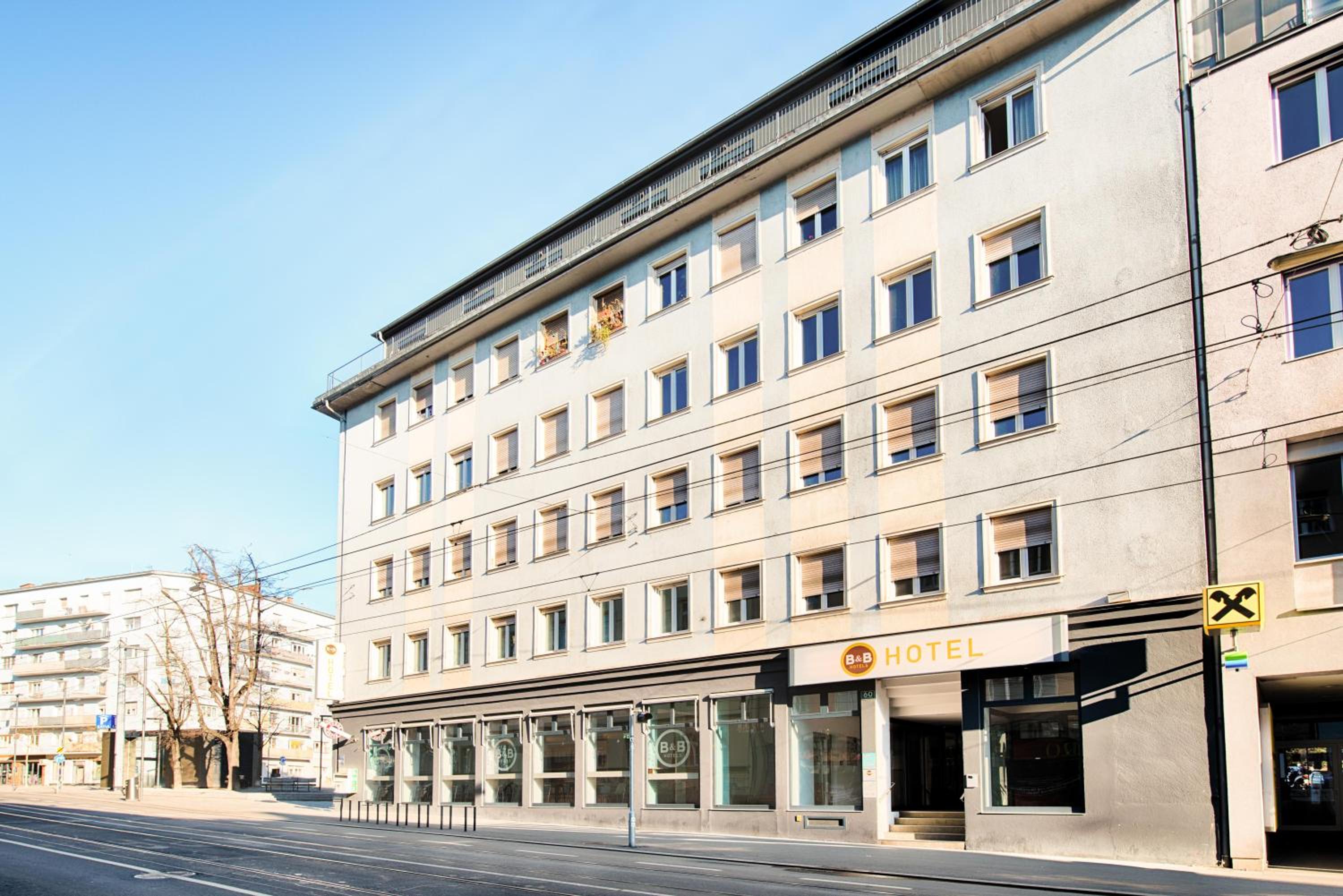
B&B Hotel Graz-Hbf
Annenstrasse 58-60
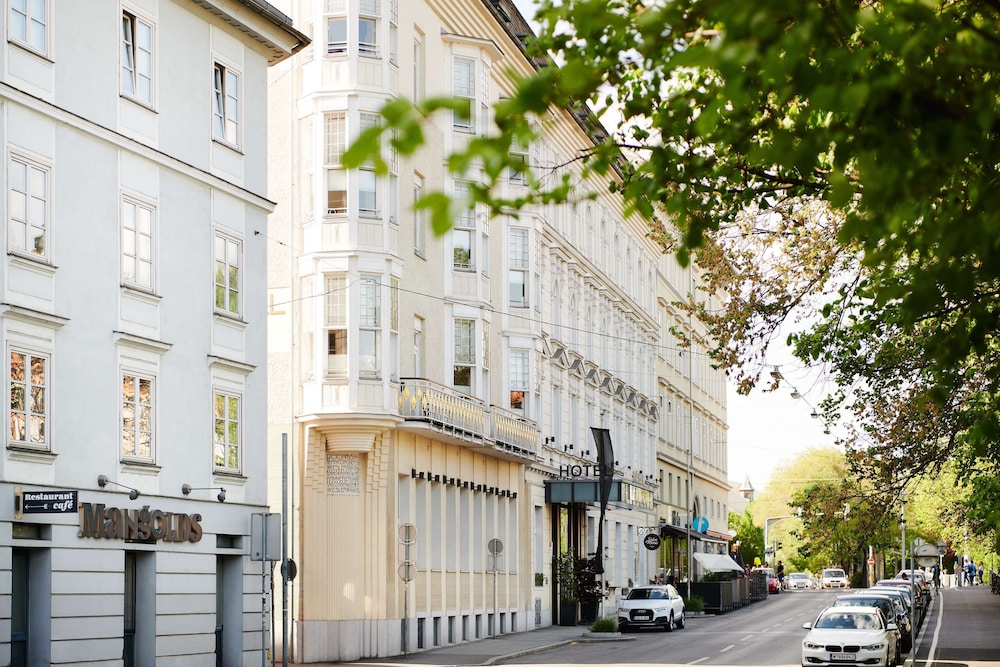
Grand Hôtel Wiesler Graz
Grieskai 4-8
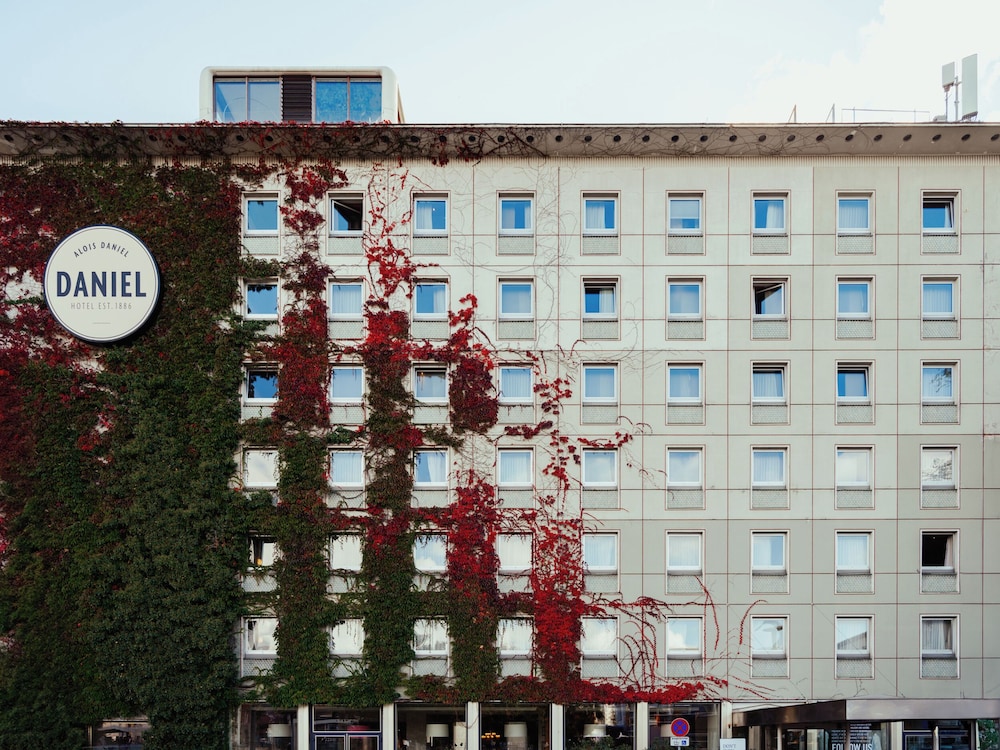
Hotel Daniel Graz
Europaplatz 1
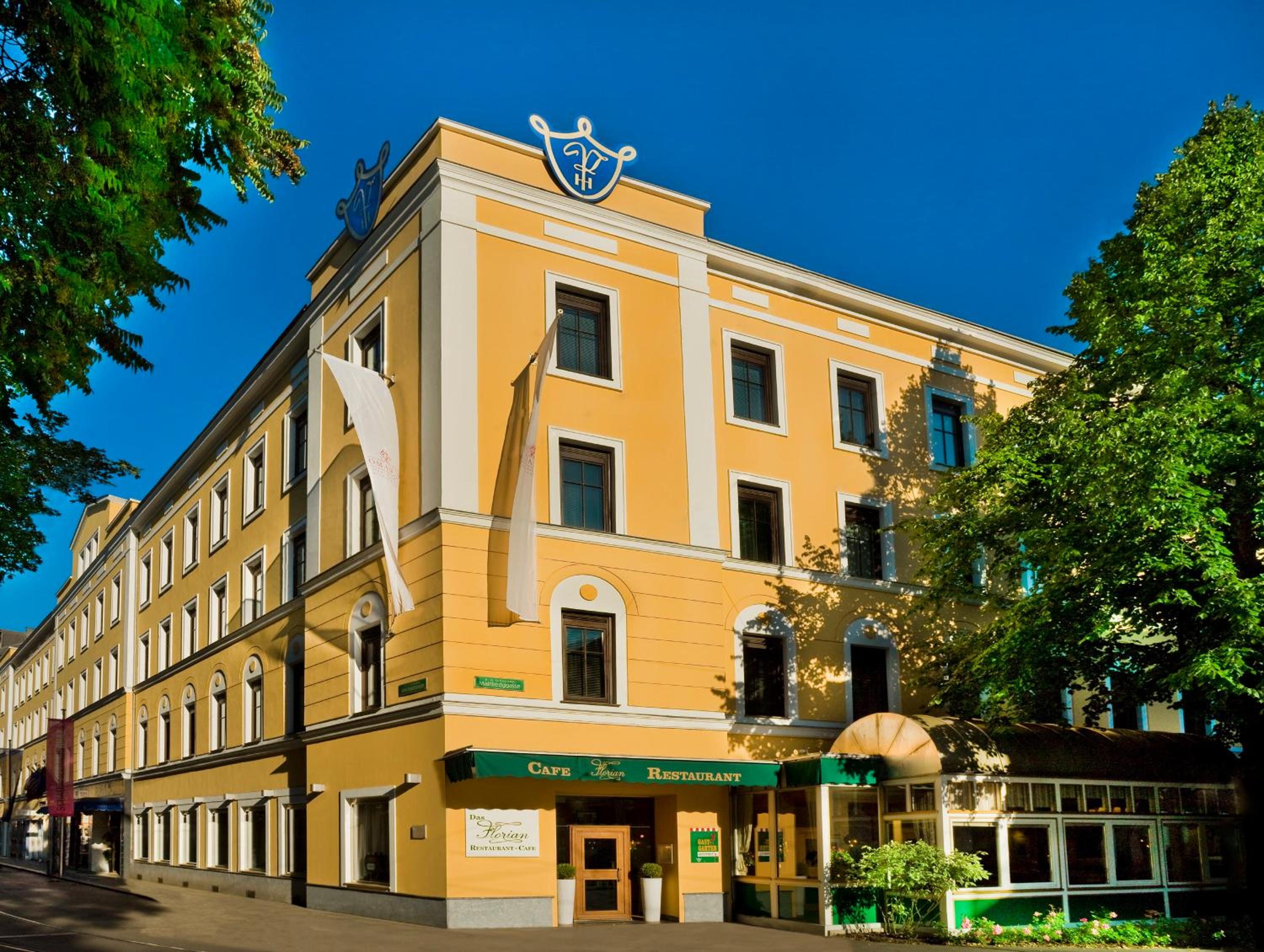
Parkhotel Graz - Traditional Luxury
Leonhardstrasse 8
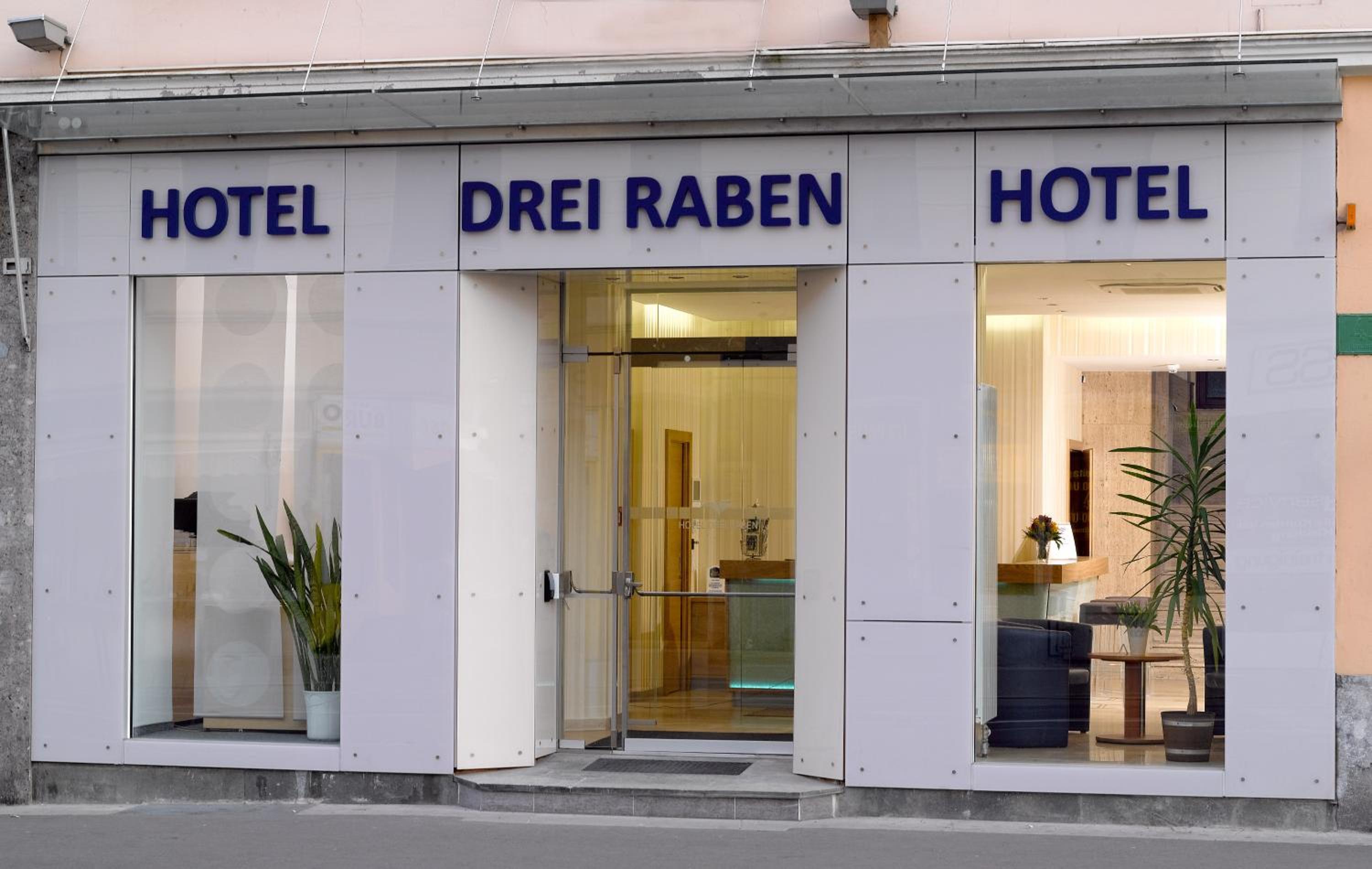
Hotel Drei Raben
Annenstrasse 43
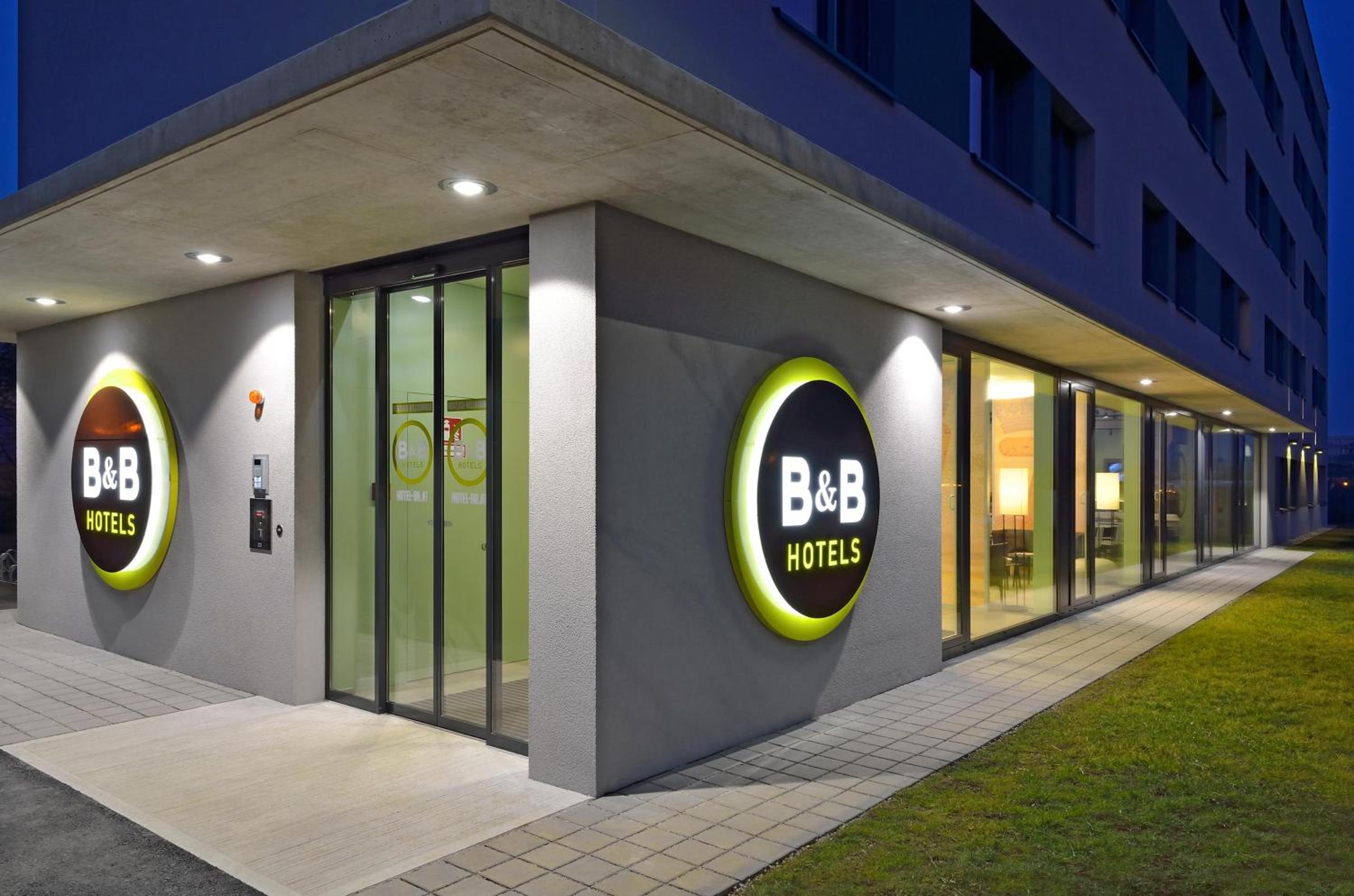
B&B Hotel Graz City-Süd
Gmeinstrasse 8
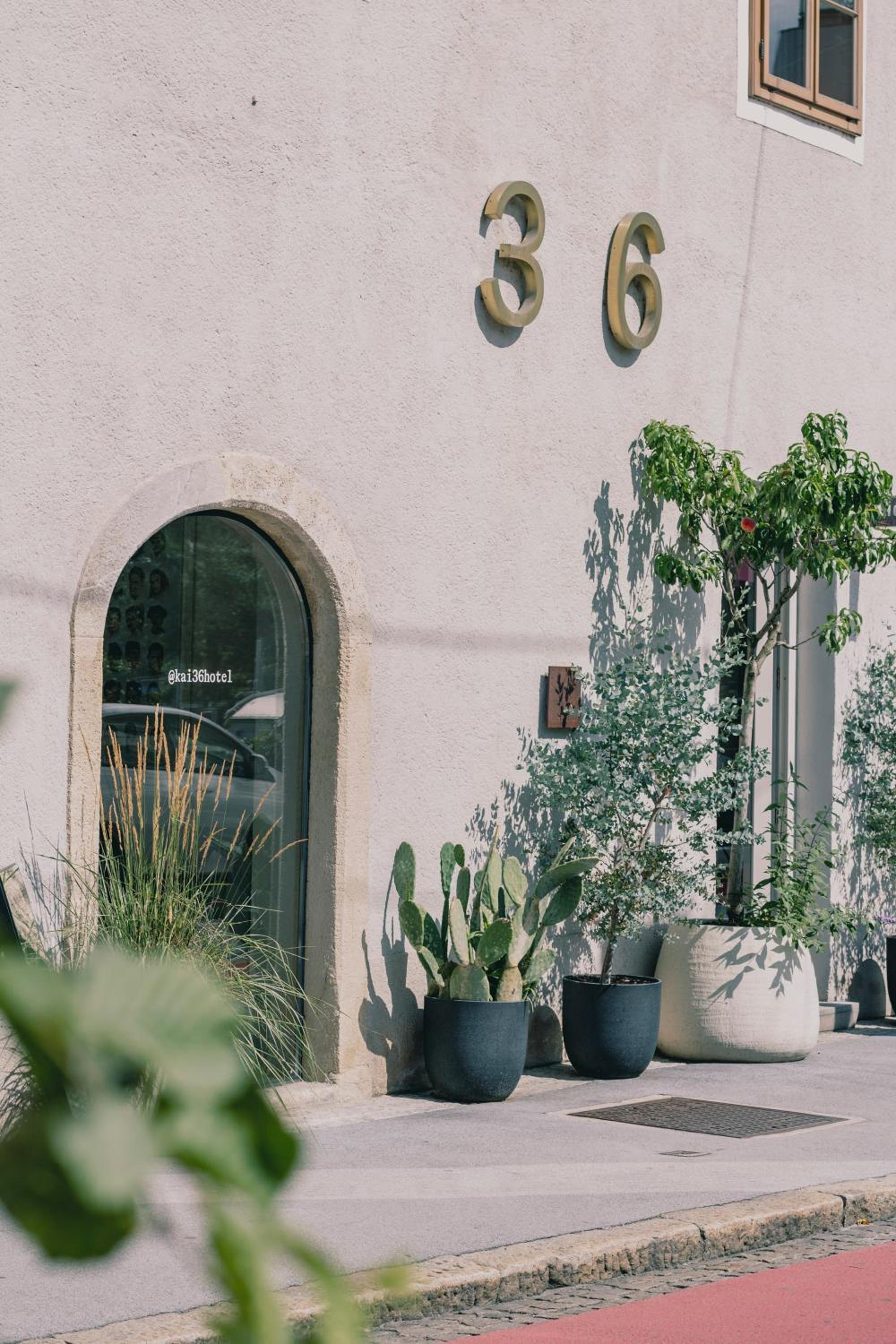
Kai 36 - Hotel zwischen Fels und Fluss
Kaiser-Franz-Josef-Kai 36
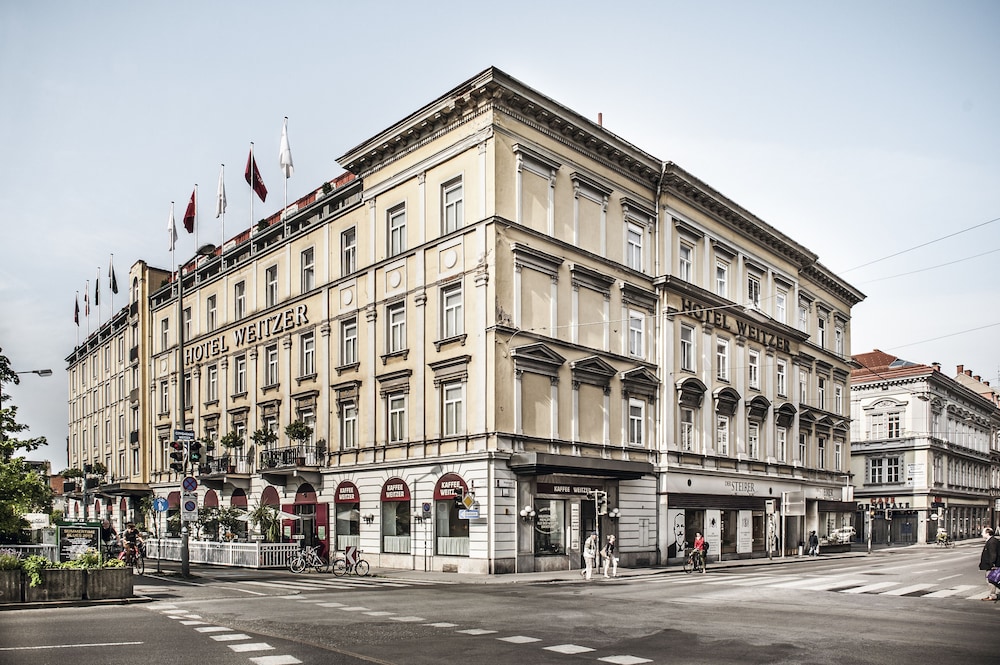
Hotel Weitzer Graz
Grieskai 12-16
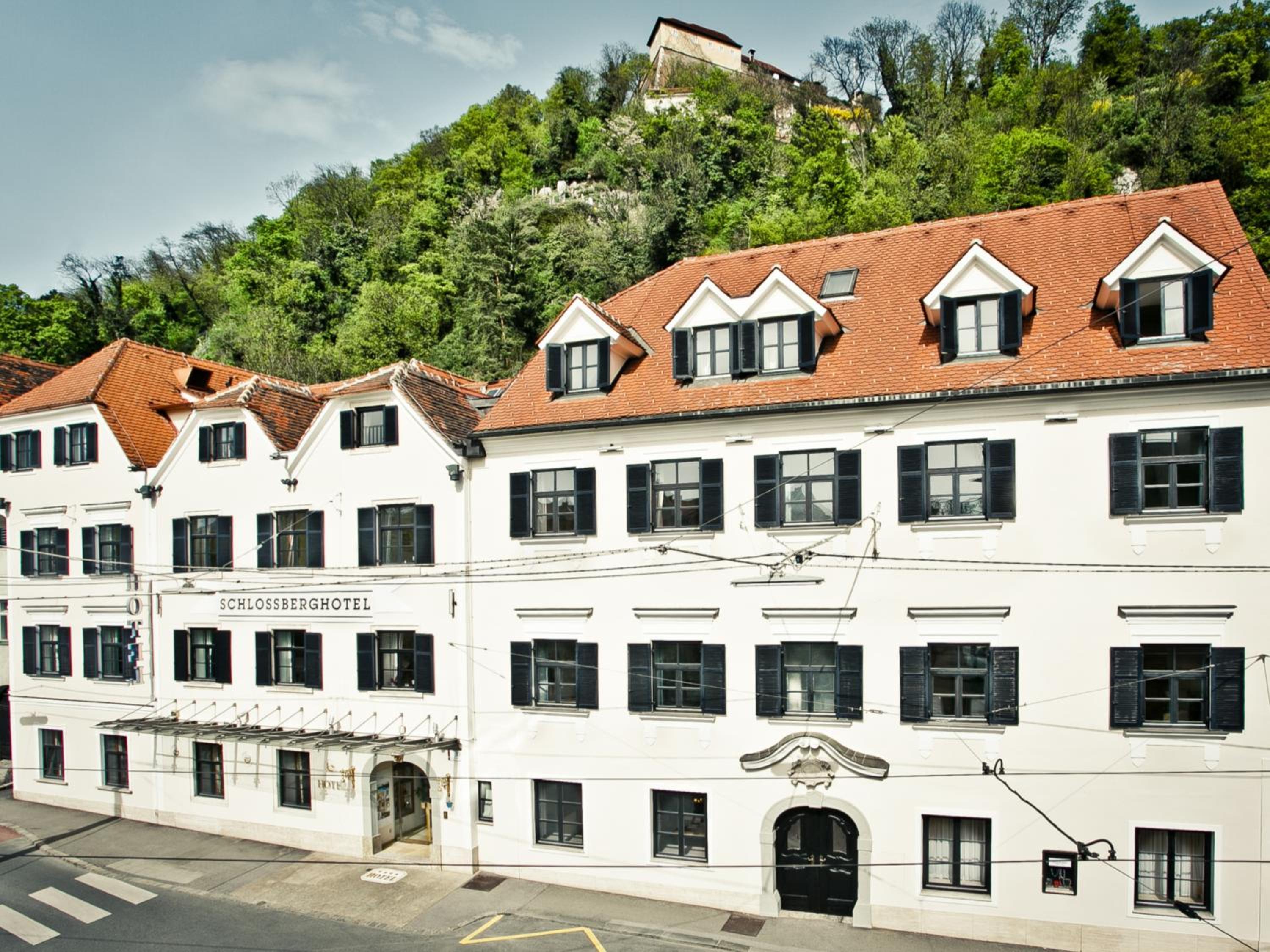
Schlossberghotel
Kaiser Franz Josef Kai 30
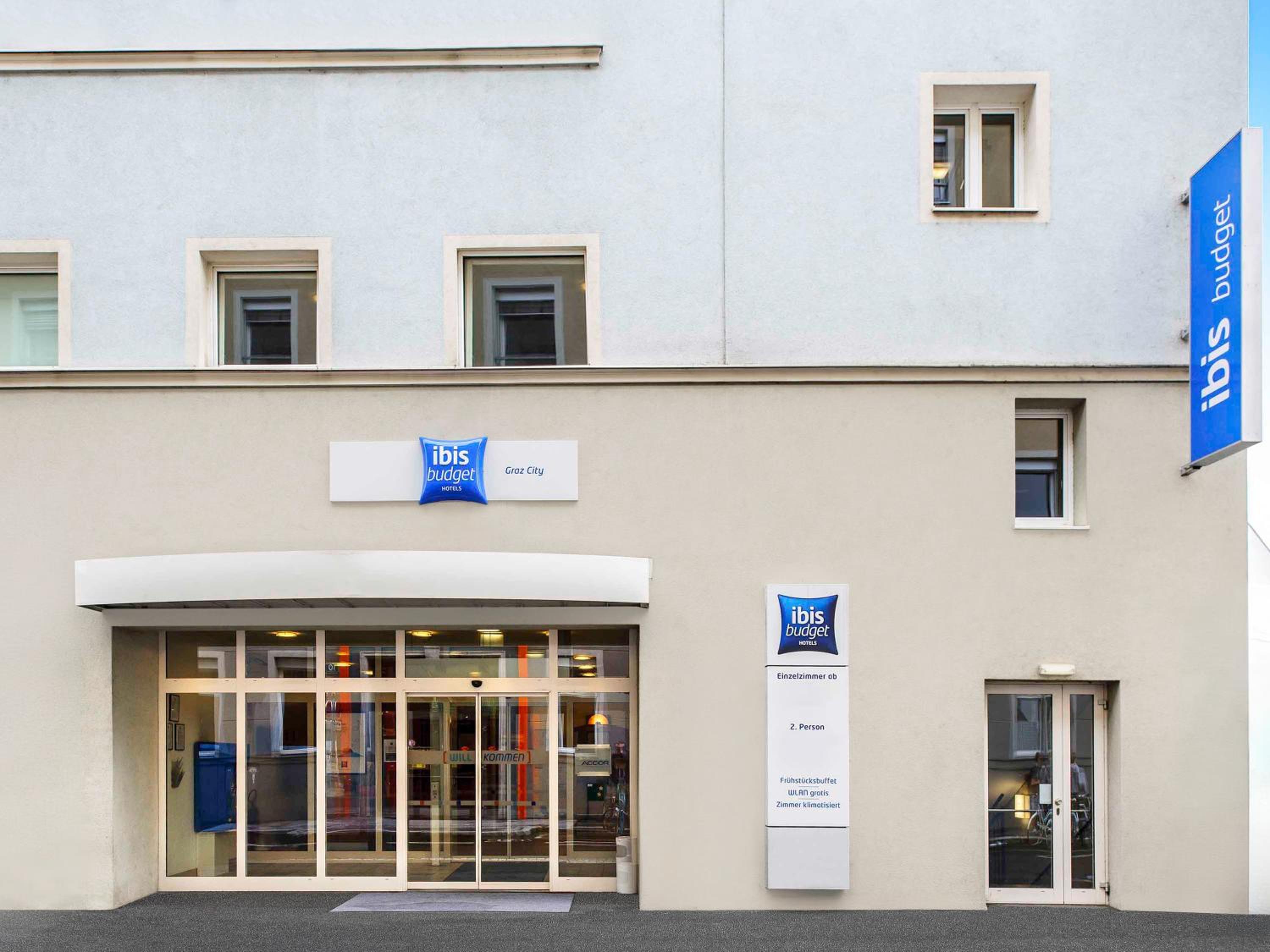
Ibis Budget Graz City
Neubaugasse 11
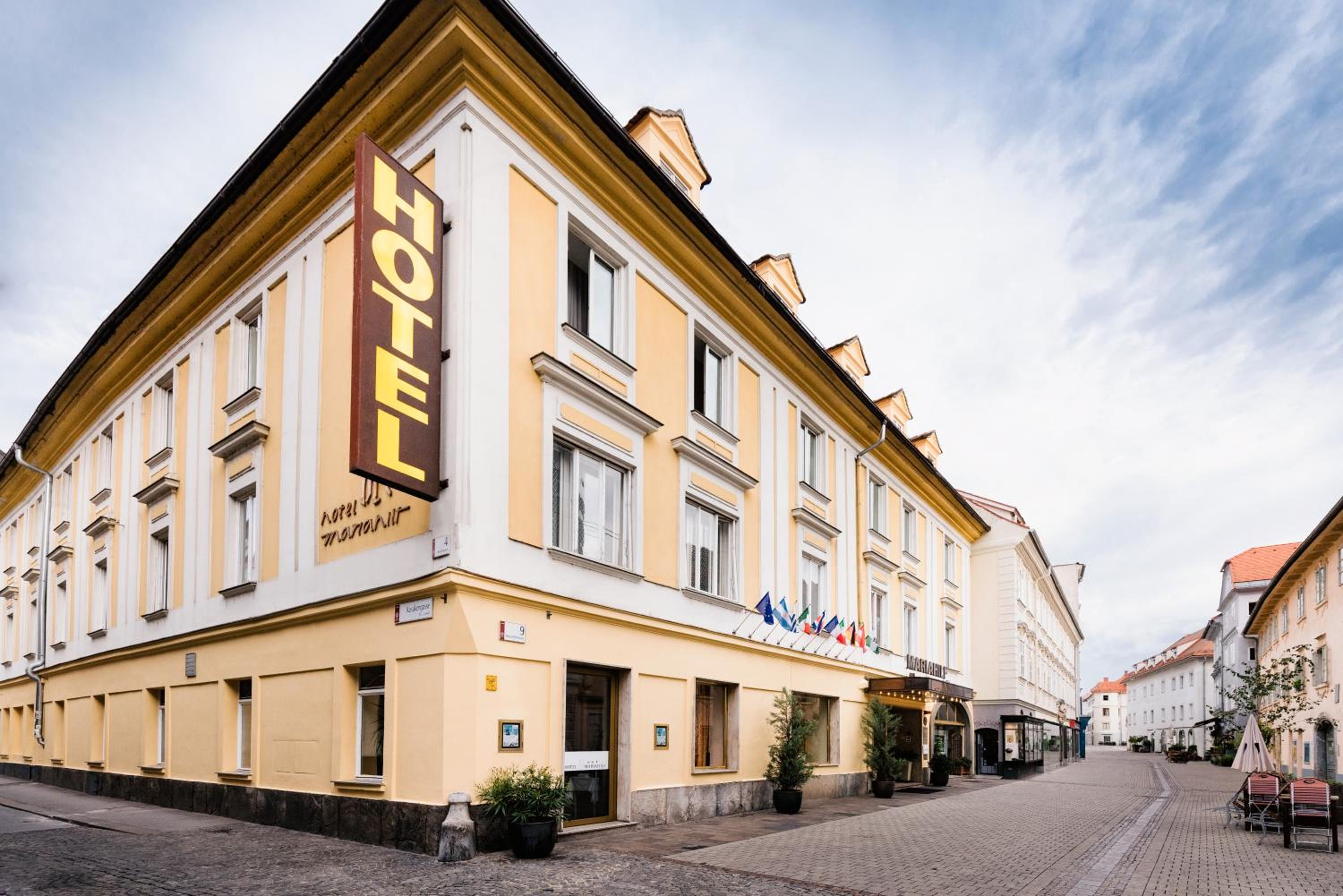
Hotel Mariahilf
Mariahilferstrasse 9
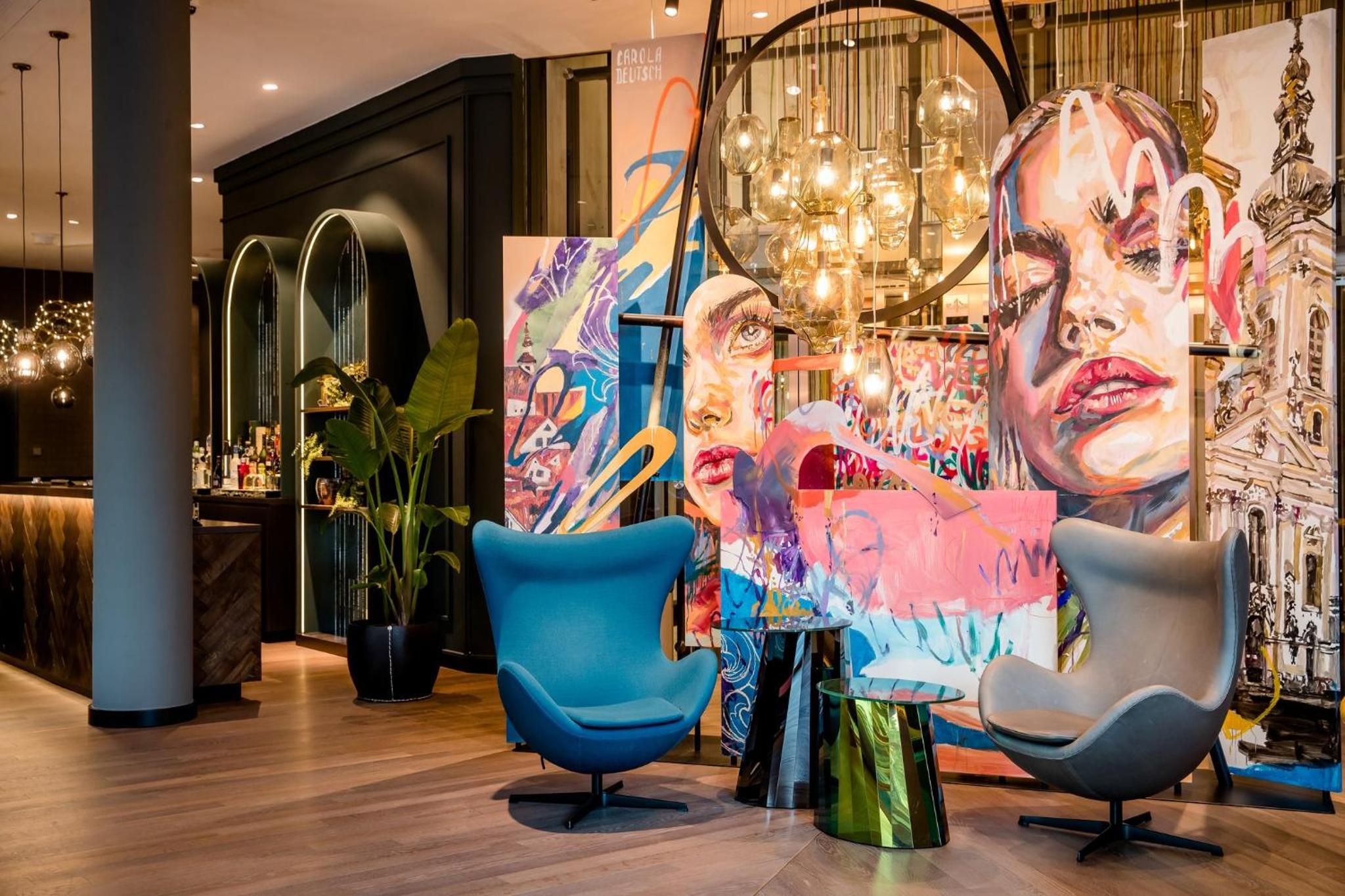
Motel One Graz
Jakominipl. 7
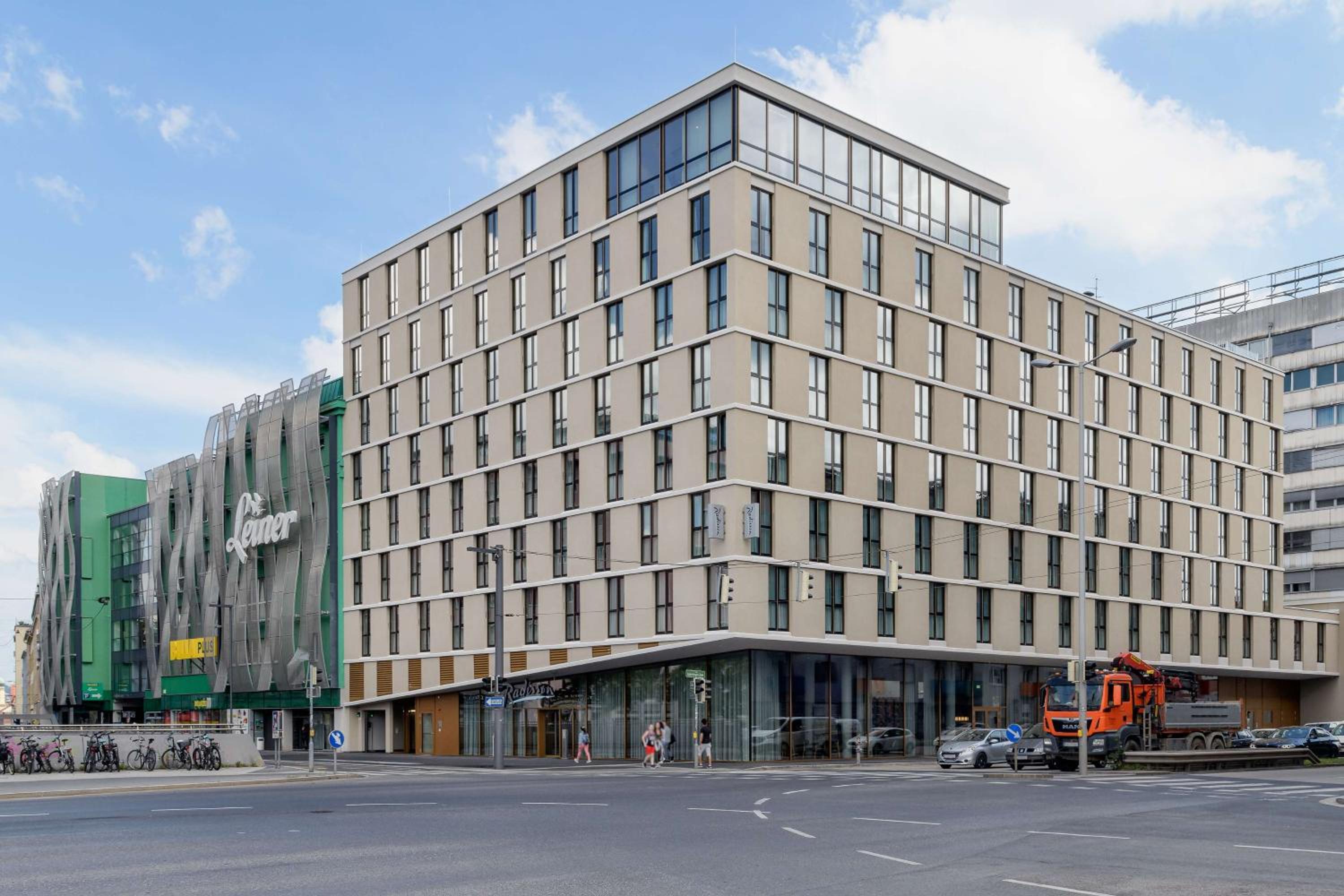
Radisson Hotel Graz
ANNENSTRASSE 67
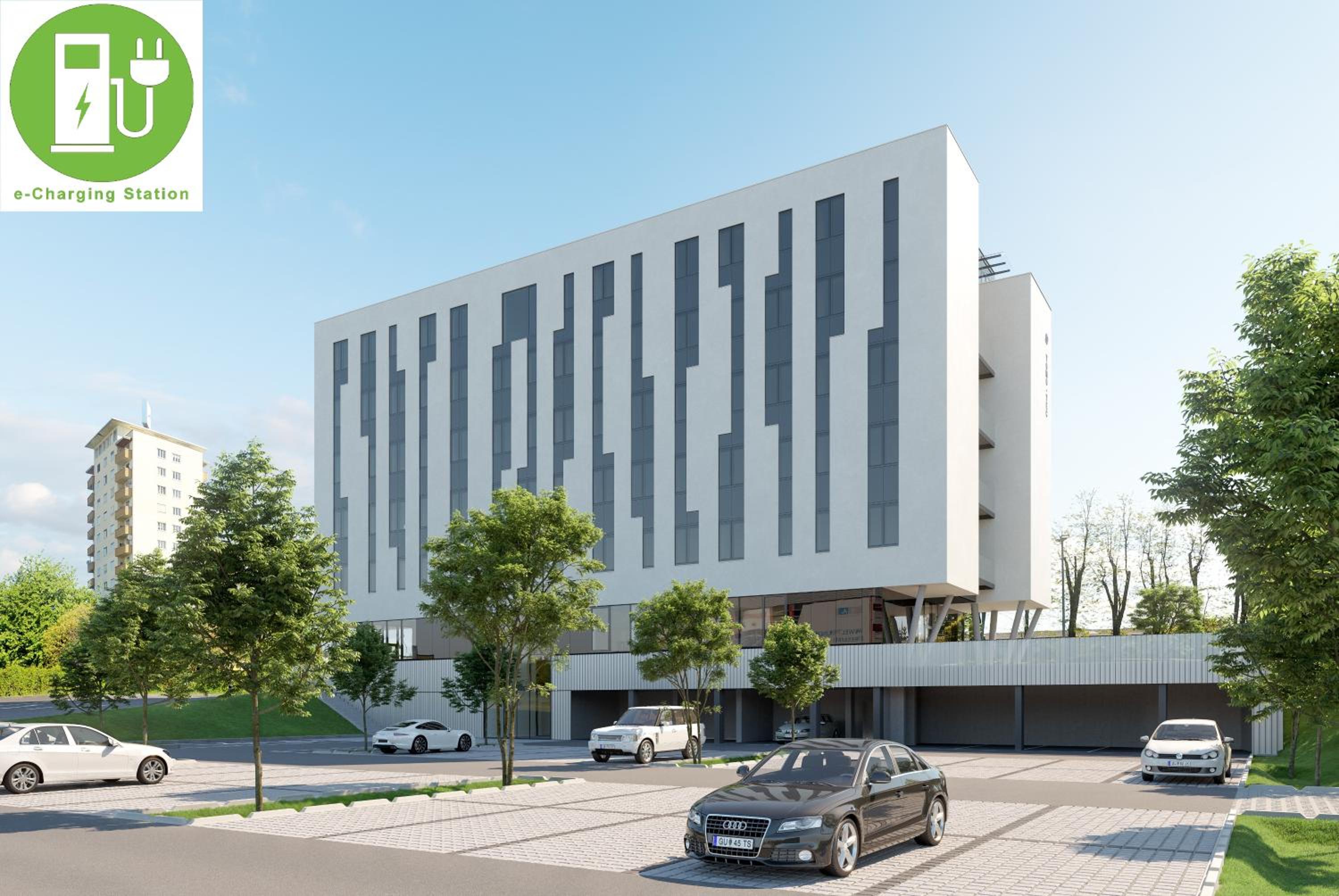
TT-ROOMS - kontaktlos mit Self Check-in I FREE PARKING
Liebenauer Hauptstraße 320
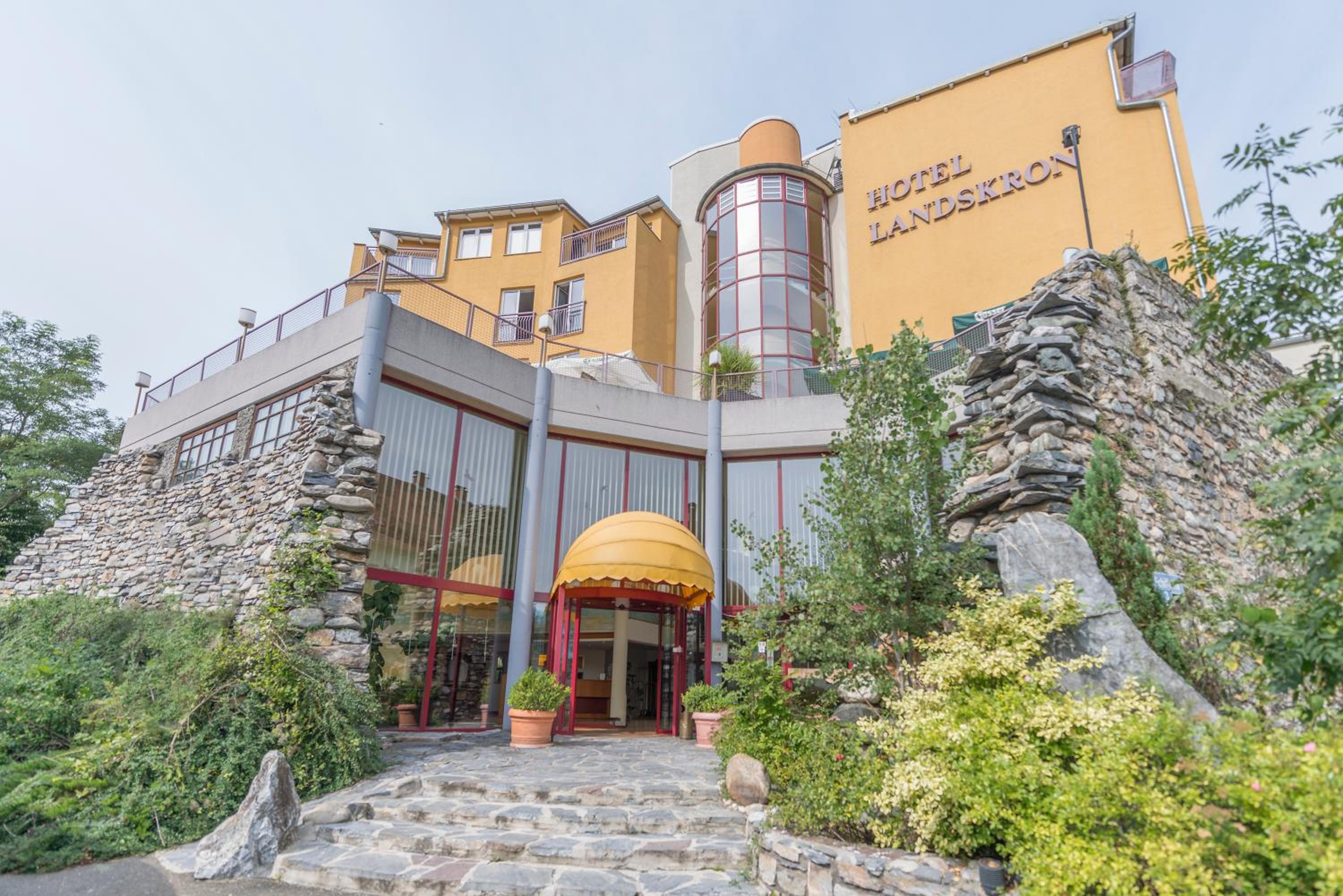
Hotel Landskron
Am Schiffertor 3
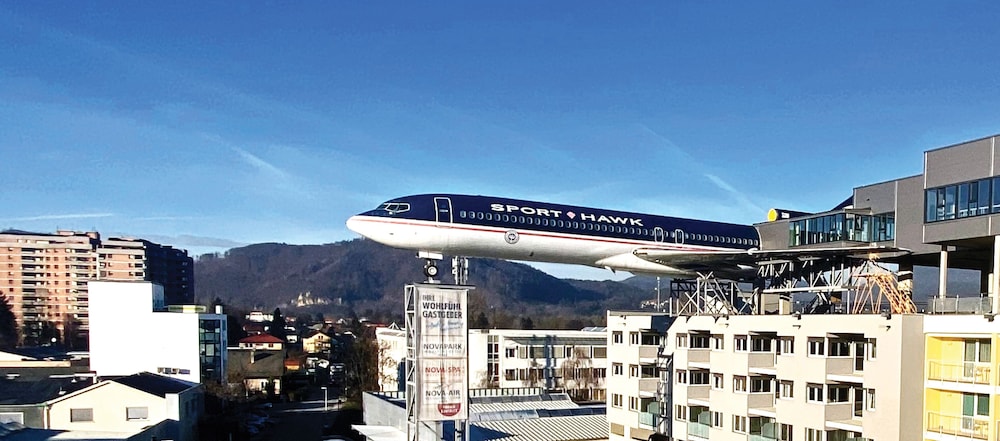
Novapark Das Flugzeughotel
Fischeraustraße 22
Looking for More Options?
Browse thousands of hotels in Graz, Austria with real-time pricing and availability
Browse All HotelsPowered by our hotel partners
Recommended Restaurants


Interesting Facts
The Murinsel (Mur Island) in Graz is not a natural island but an artificial, shell-shaped floating steel platform designed by Vito Acconci, commissioned for the city's European Capital of Culture year in 2003, connecting the riverbanks and housing a café and amphitheater.
Graz is home to the Landeszeughaus (Styrian Armory), which boasts the world's largest original collection of historic armor and weaponry, with over 32,000 items preserved exactly as they were hundreds of years ago, as if ready for battle.
Graz holds the prestigious title of a UNESCO City of Design since 2011, recognizing its exceptional contributions to architecture, urban planning, and creative industries, exemplified by its blend of historic and avant-garde structures.
With over 60,000 students attending its six universities, Graz has one of the highest student-to-resident ratios in Europe, infusing the city with a vibrant, youthful energy and making it a significant center for research and innovation.
Styrian pumpkin seed oil (Kürbiskernöl), often referred to as 'black gold,' is a beloved local delicacy in Graz. Locals don't just use it on salads; they even drizzle the rich, nutty oil over vanilla ice cream, creating a surprisingly delicious sweet-savory dessert.
Beneath Graz's iconic Schlossberg (Castle Hill) and its famous clock tower lies a labyrinth of over 6 kilometers of tunnels, originally built as air-raid shelters during WWII, now hosting a grotto railway and unique event spaces.
The Kunsthaus Graz, a contemporary art museum, is affectionately known by locals as the 'Friendly Alien' due to its controversial yet captivating biomorphic shape and luminous blue acrylic skin, which boldly contrasts with the city's traditional Baroque architecture.
Graz once had a football stadium named after its most famous local, Arnold Schwarzenegger (who was born nearby in Thal). However, the 'UPC-Arena Arnold Schwarzenegger' name was controversially removed in 2005 following political disagreements, though his legacy is still celebrated in the region.