
Melbourne, Australia
Overview
Melbourne, Australia's cultural capital, boasts vibrant street art, hidden laneways, and world-class coffee. From the iconic Flinders Street Station to the stunning Royal Botanic Gardens, explore a city where laneway culture meets modern architecture.
Best Time to Travel
Best Months
March to May (Autumn)
During Autumn (March to May), Melbourne enjoys mild temperatures, generally stable and pleasant weather, with comfortable conditions perfect for exploring the city and surrounding regions.
Months to Avoid
December to February - can experience extreme heatwaves and high humidity, making extended outdoor activities uncomfortable for some. It's also the peak school holiday period, leading to higher prices and bigger crowds.
Consider visiting during other months
Peak Season
December to February (summer holidays, Christmas, New Year, Australian Open), and major event periods like the Grand Prix in March.
Expect larger crowds and higher prices
Top Things to Do

Shot Tower Museum

Crown Melbourne

Dights Falls

Elsternwick Park

Queen Victoria Market

Luna Park Melbourne

Melbourne Airport

Melbourne Museum

Melbourne Skydeck

Alexandra Gardens

Melbourne Zoo

Fed Square

Melbourne Cricket Ground

SEA LIFE Melbourne Aquarium

National Gallery of Victoria

Royal Botanic Gardens Victoria - Melbourne Gardens

Saint Patrick's Cathedral

State Library Victoria

Scienceworks

Best Western Melbourne City Hotel

Amora Hotel Riverwalk Melbourne

The Crown Promenade Melbourne

Grand Hotel Melbourne

Nomads St Kilda

Rendezvous Hotel Melbourne

The Lyall Hotel

Middle Park Hotel

The Aviary Hotel

Oriental Teahouse South Yarra

Oriental Teahouse Melbourne CBD

Stamford Plaza Melbourne

Steakhouse Grill 66 Docklands
Recommended Hotels
Search All Hotels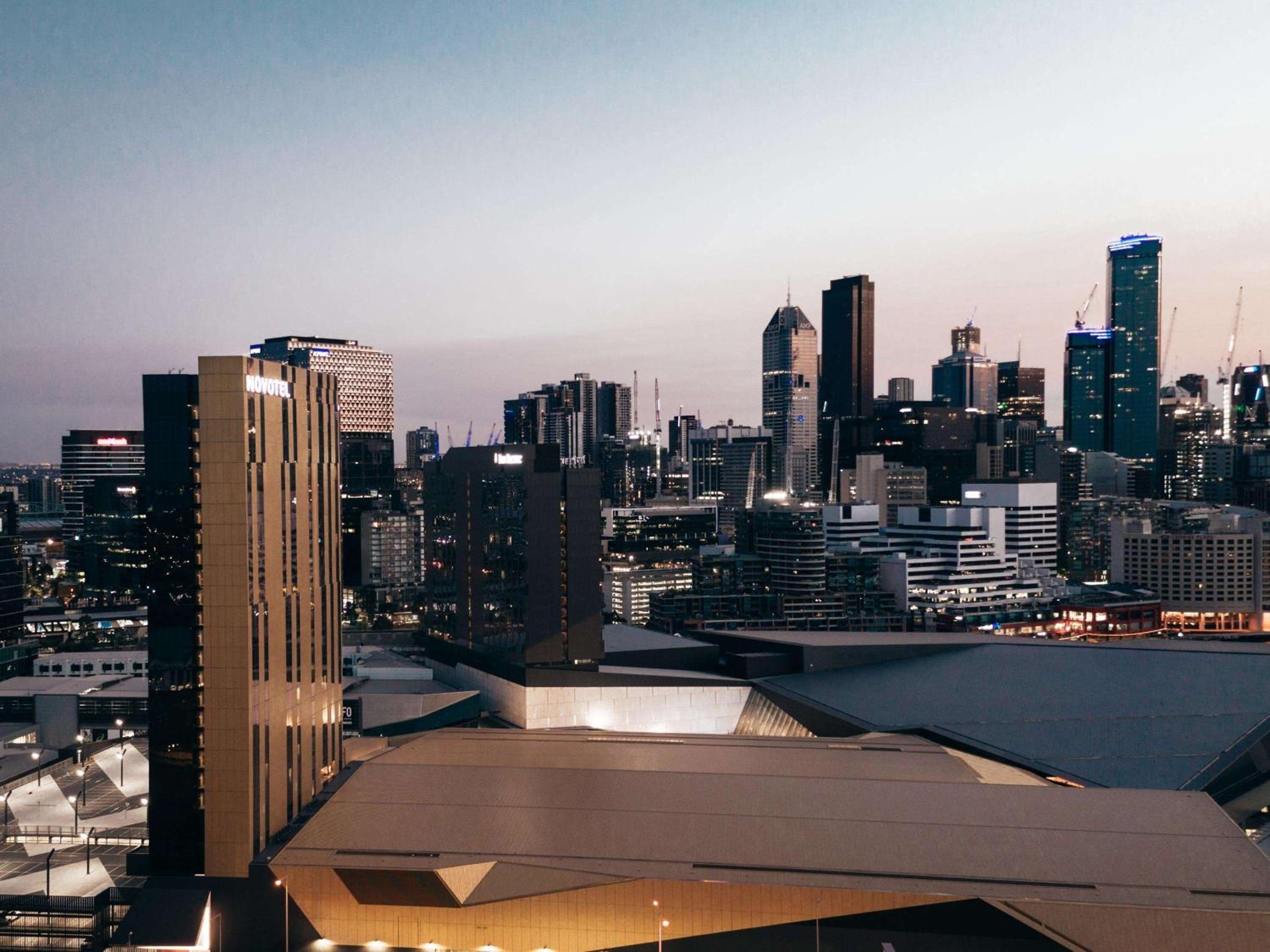
Novotel Melbourne South Wharf
7 Convention Centre Place
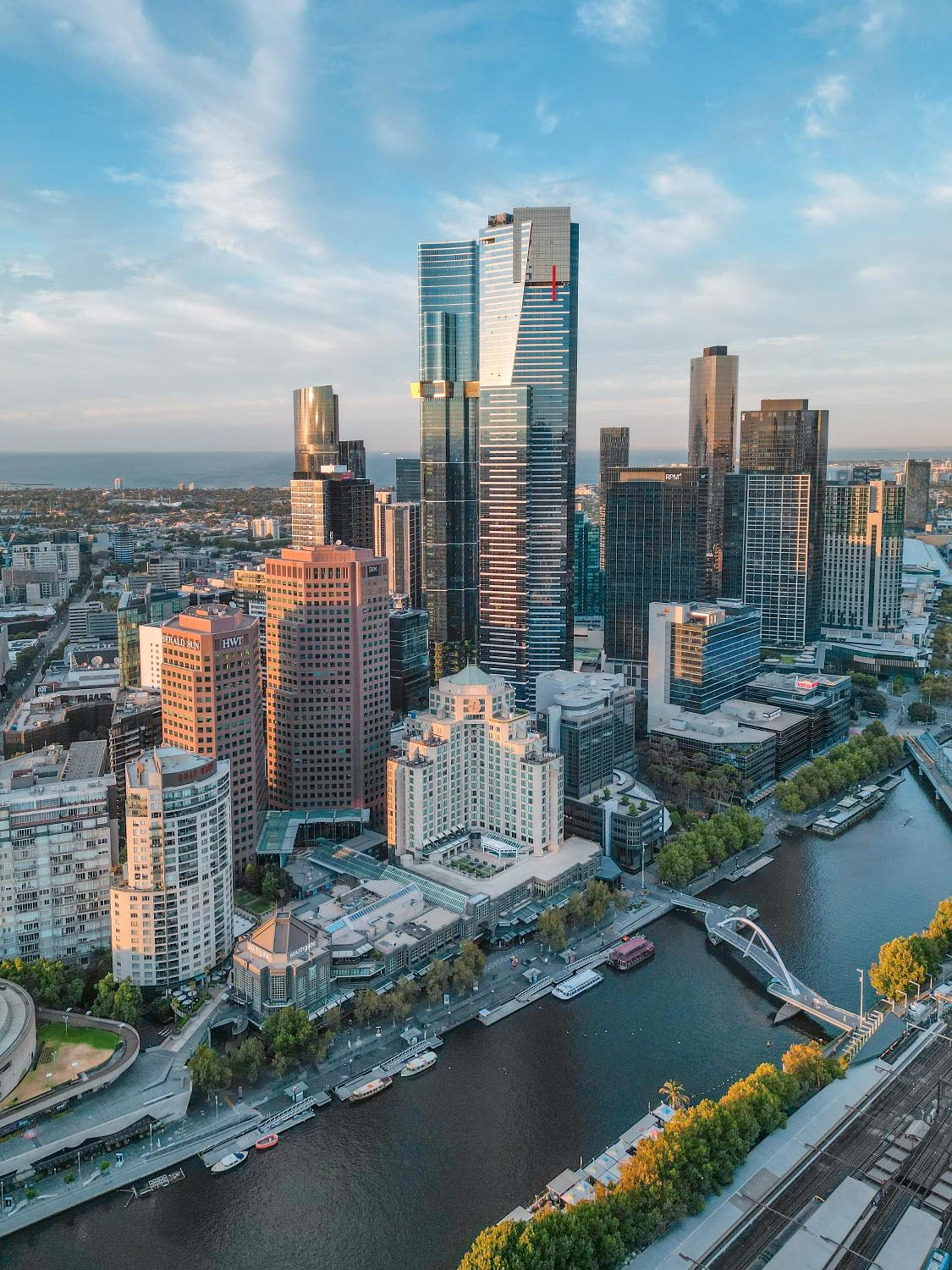
The Langham Melbourne
One Southgate Avenue
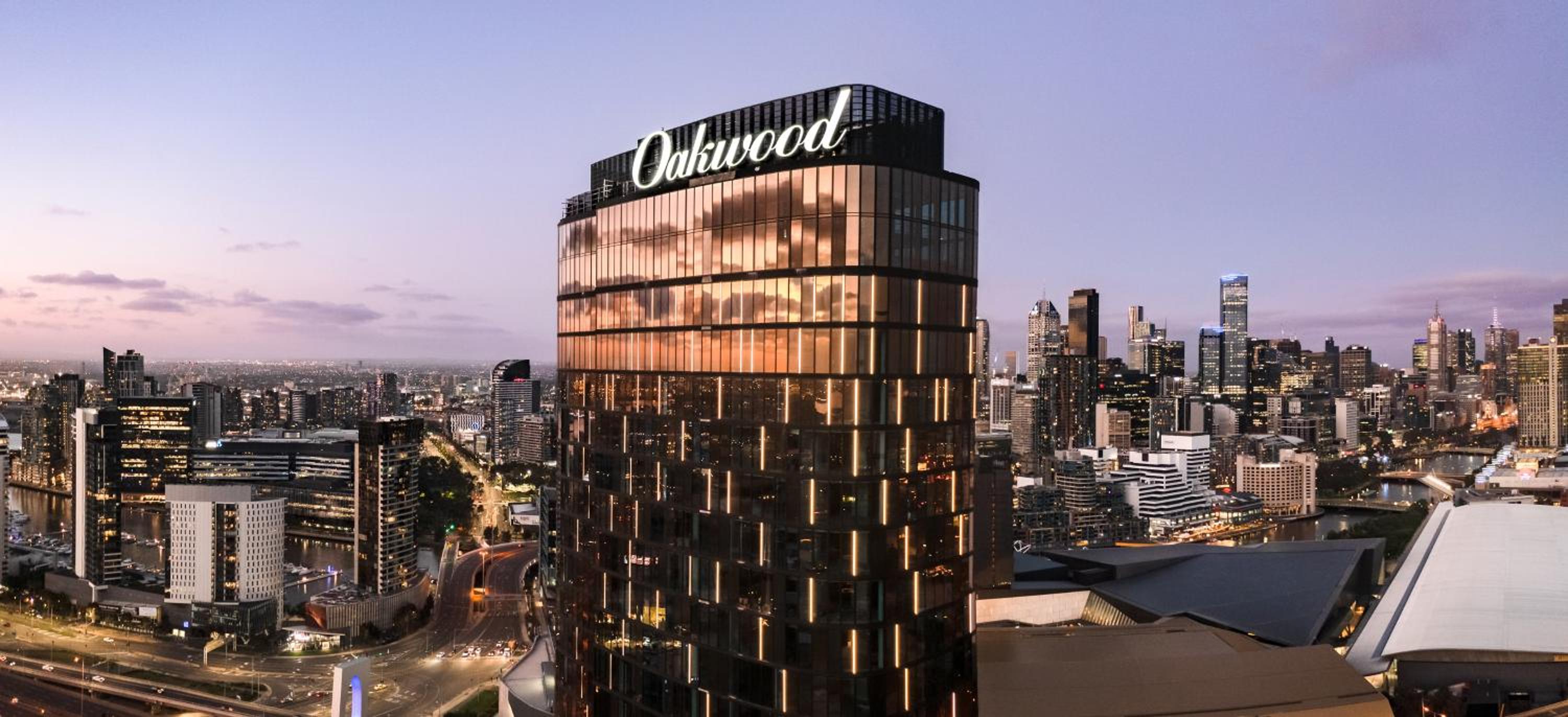
Oakwood Premier Melbourne
202 Normanby Rd
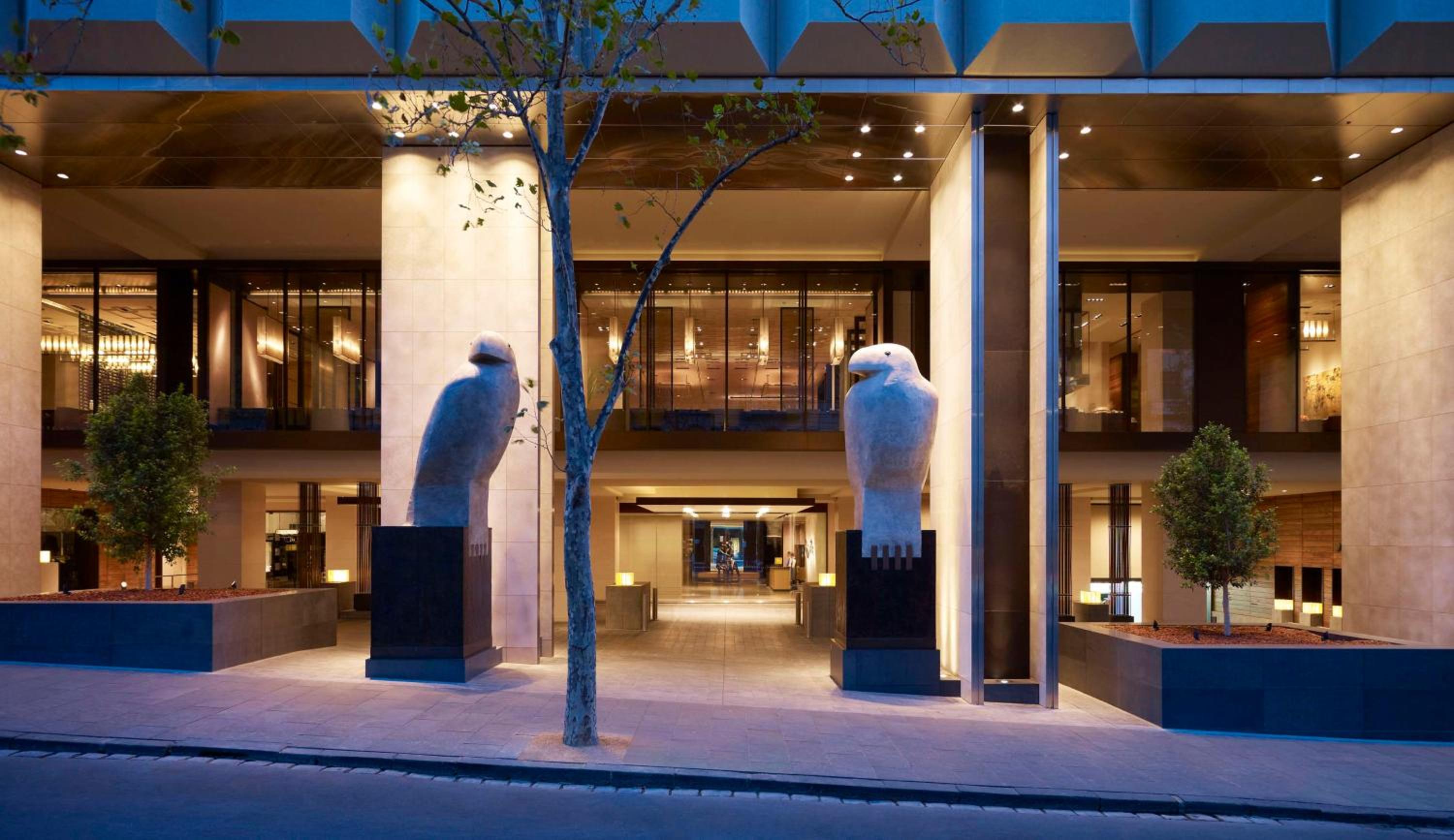
Grand Hyatt Melbourne
123 Collins Street
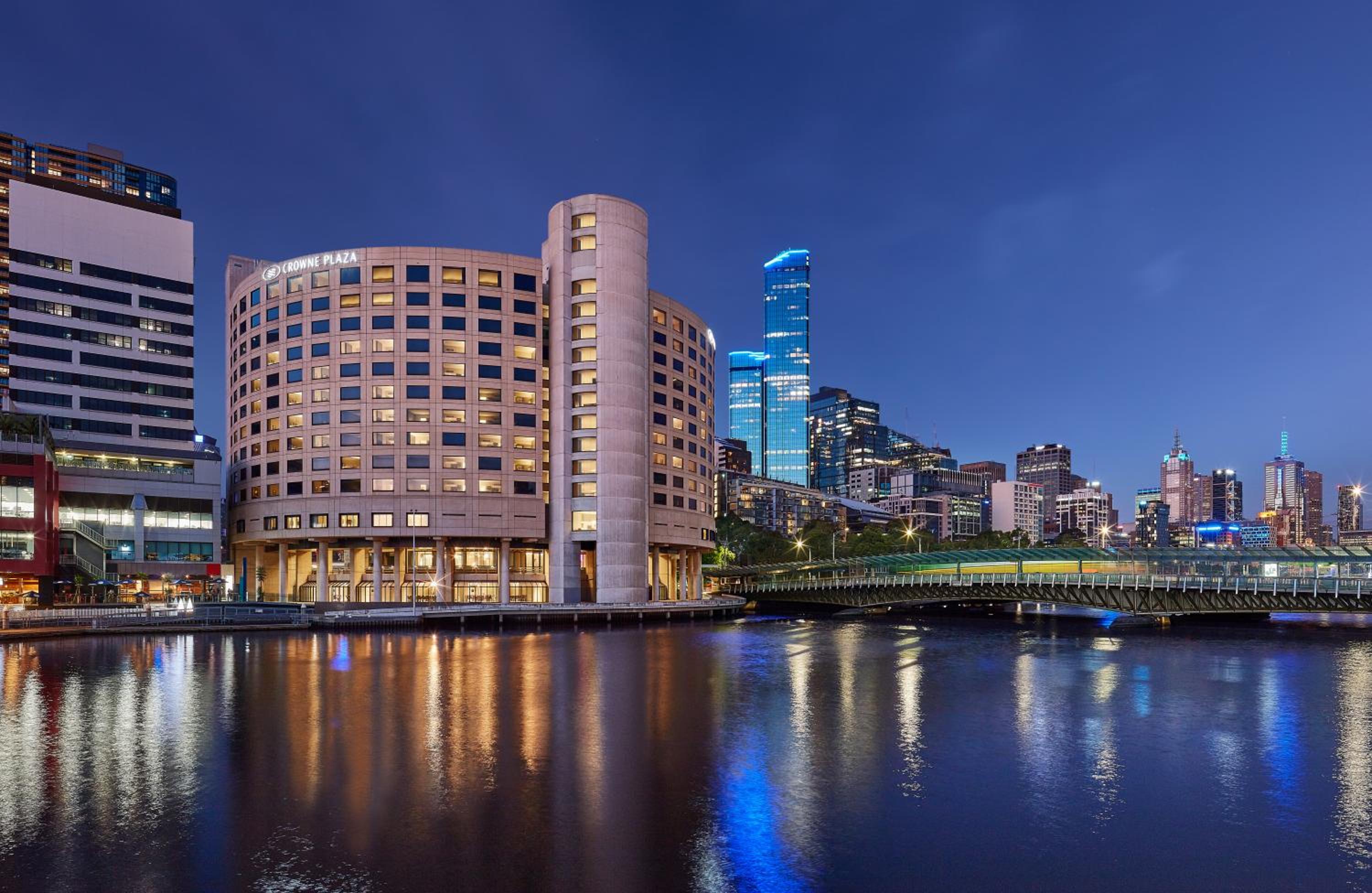
Crowne Plaza Melbourne by IHG
1-5 Spencer Street
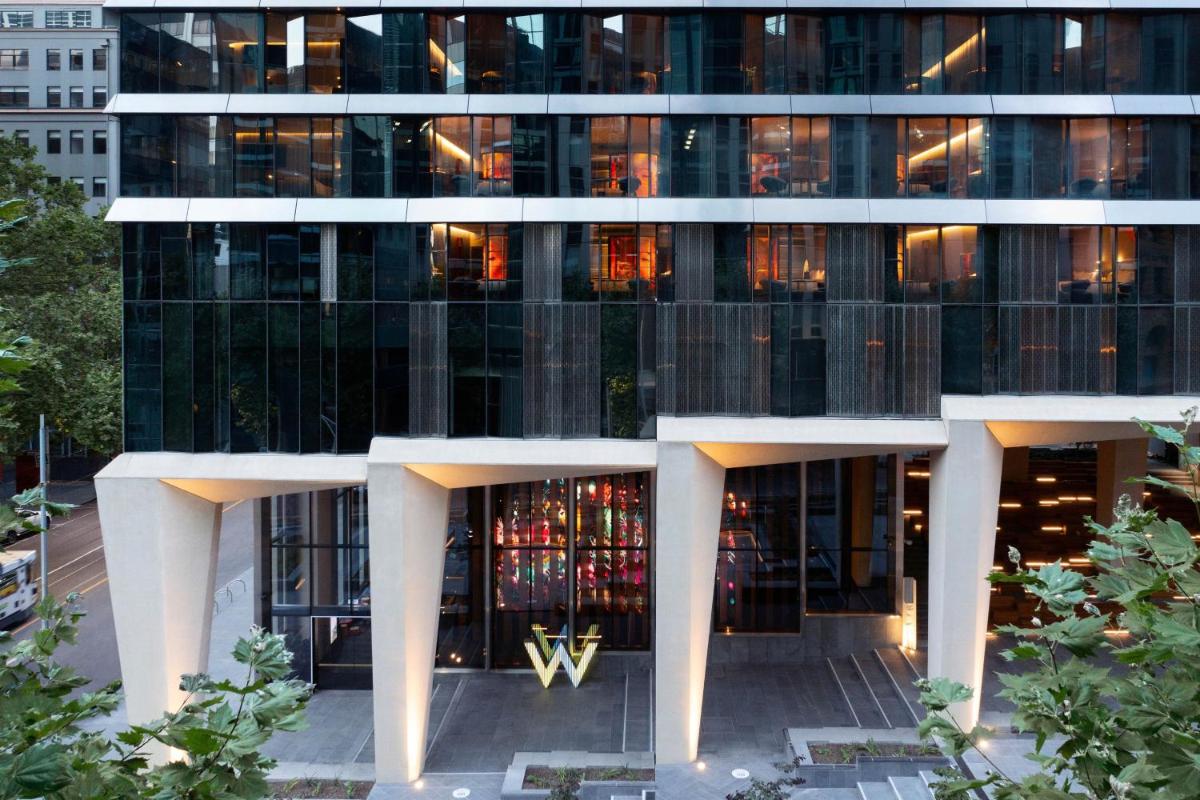
W Melbourne
408 Flinders Lane
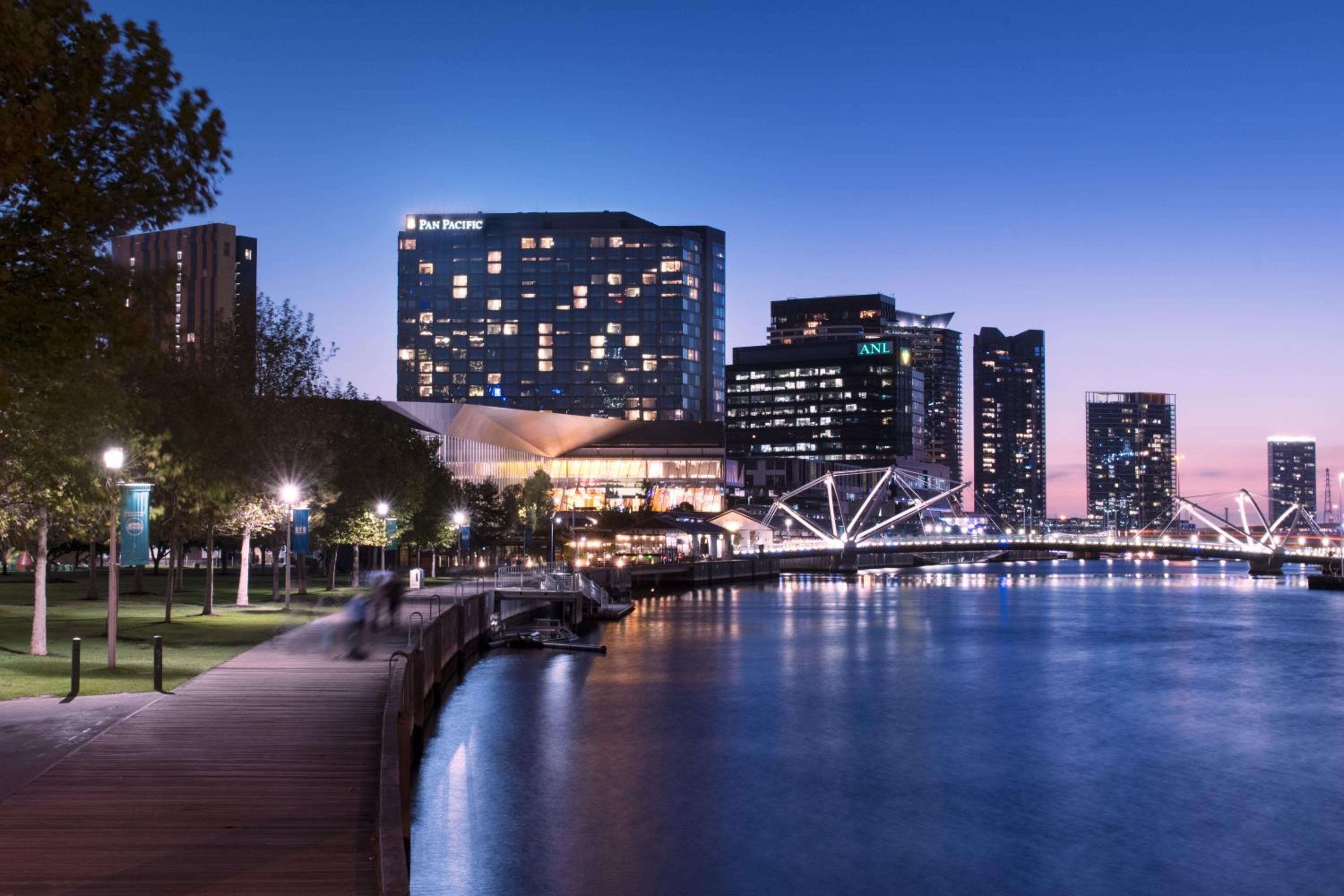
Pan Pacific Melbourne
2 Convention Centre Place
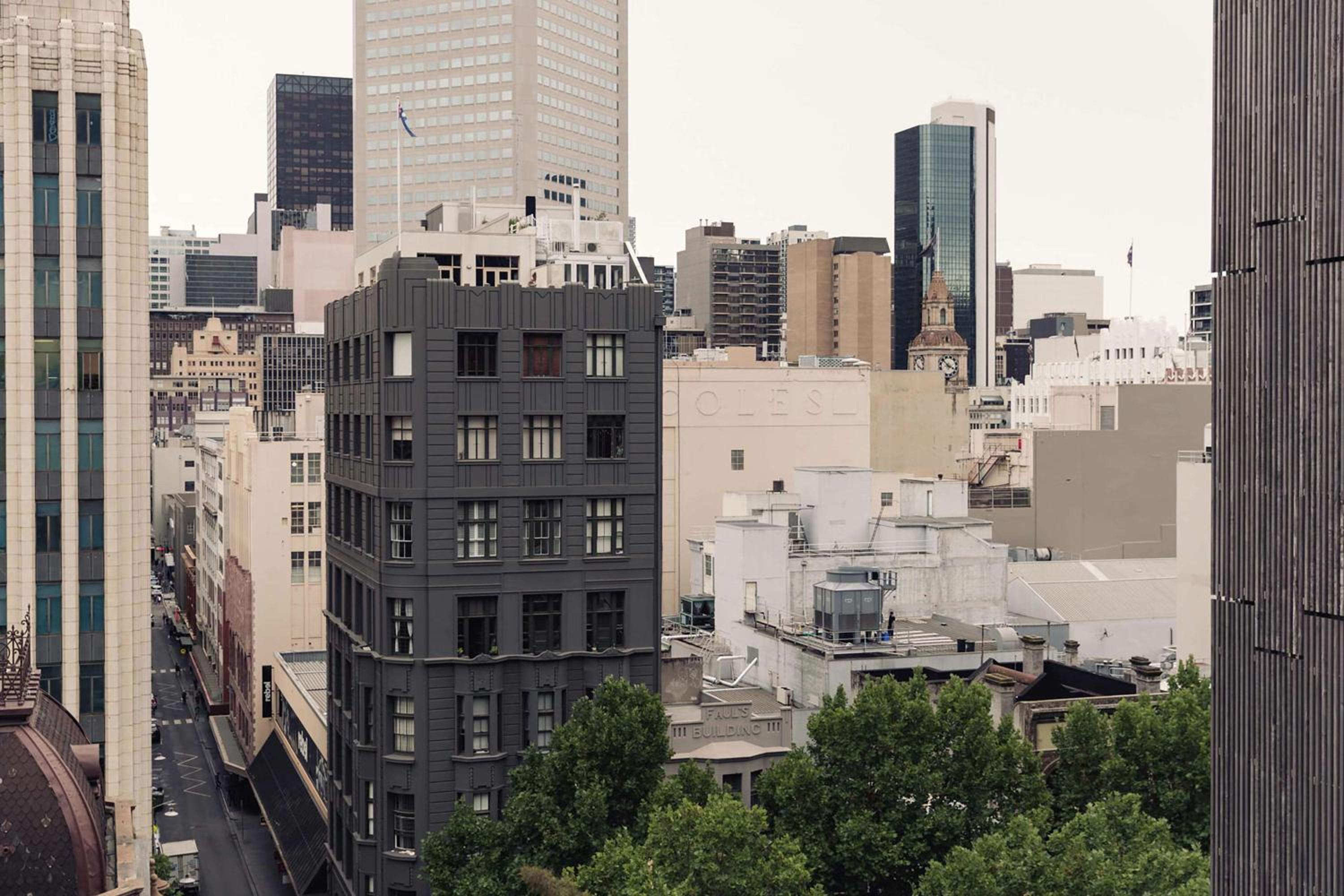
The Victoria Hotel
215 Little Collins Street
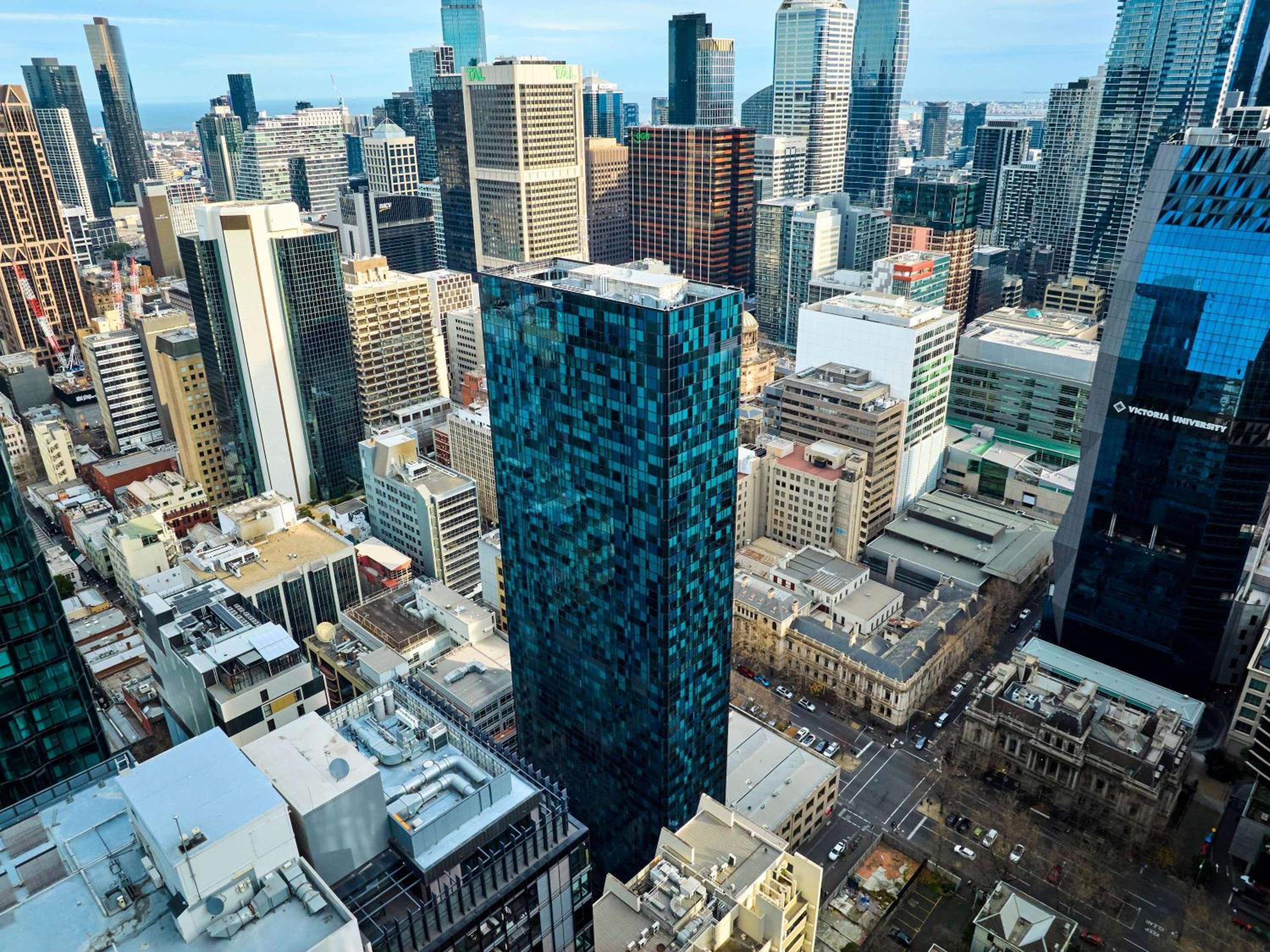
ibis Melbourne Central
399 Little Lonsdale Street
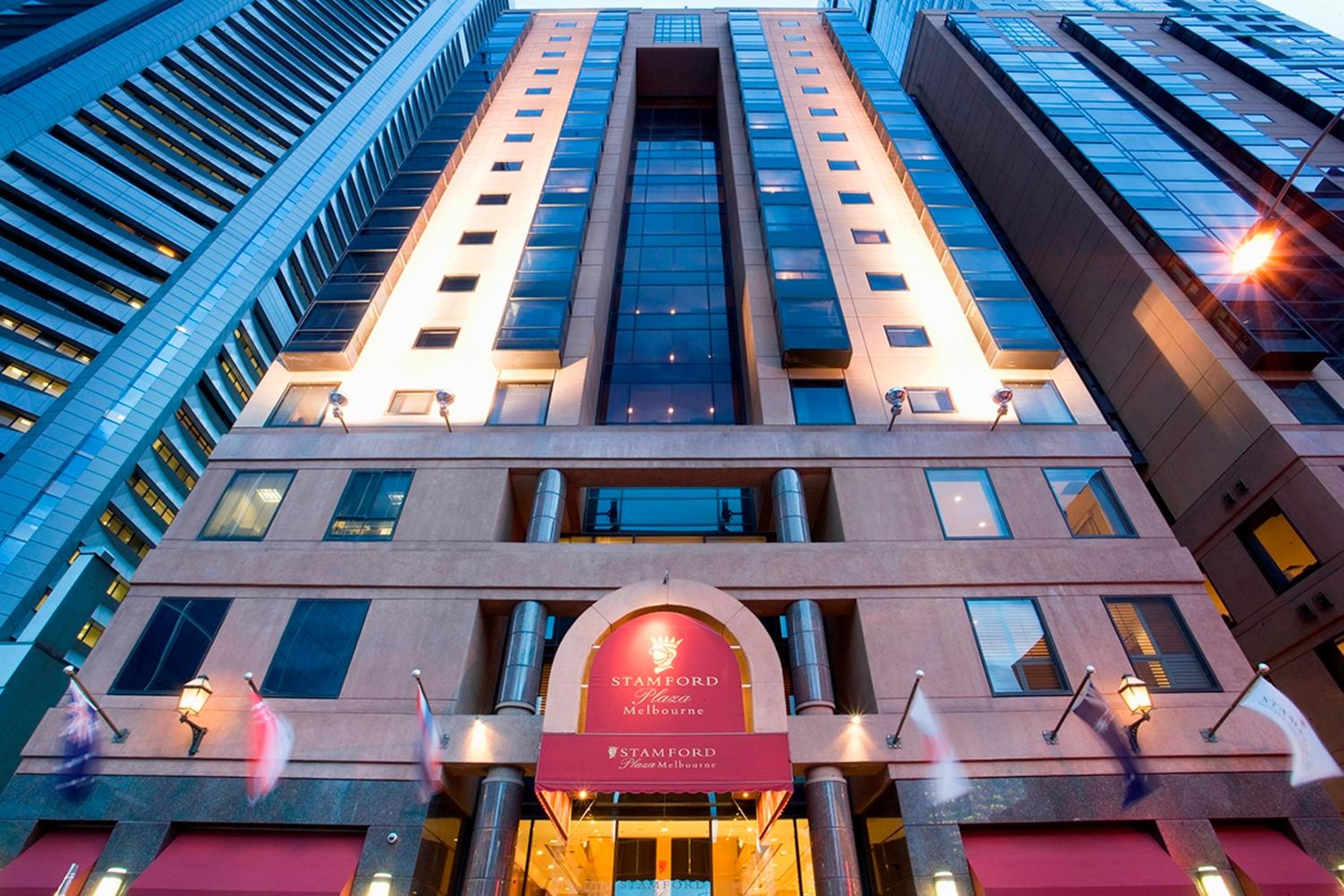
Stamford Plaza Melbourne
111 Little Collins Street
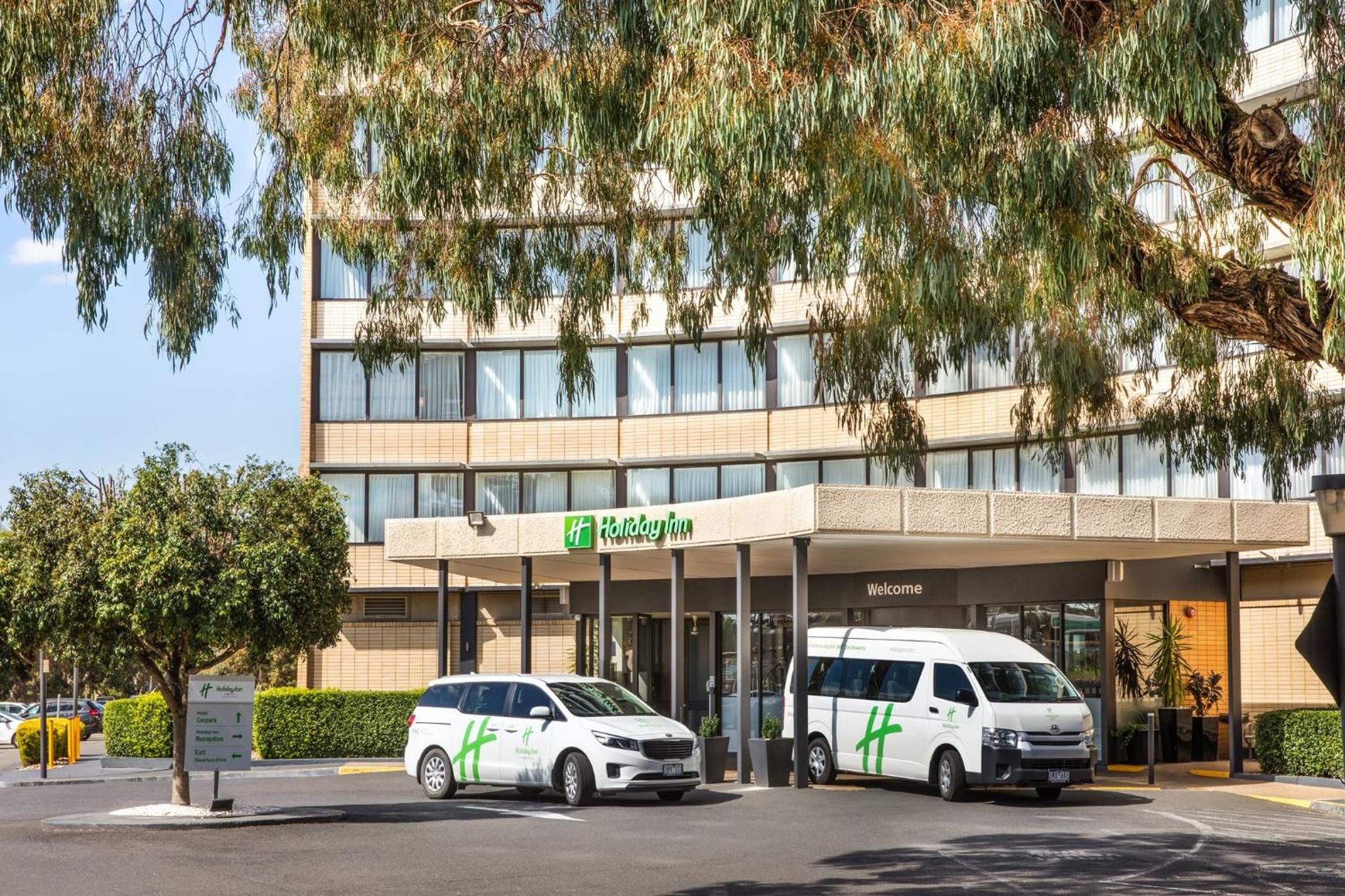
Holiday Inn Melbourne Airport by IHG
10-14 Centre Road
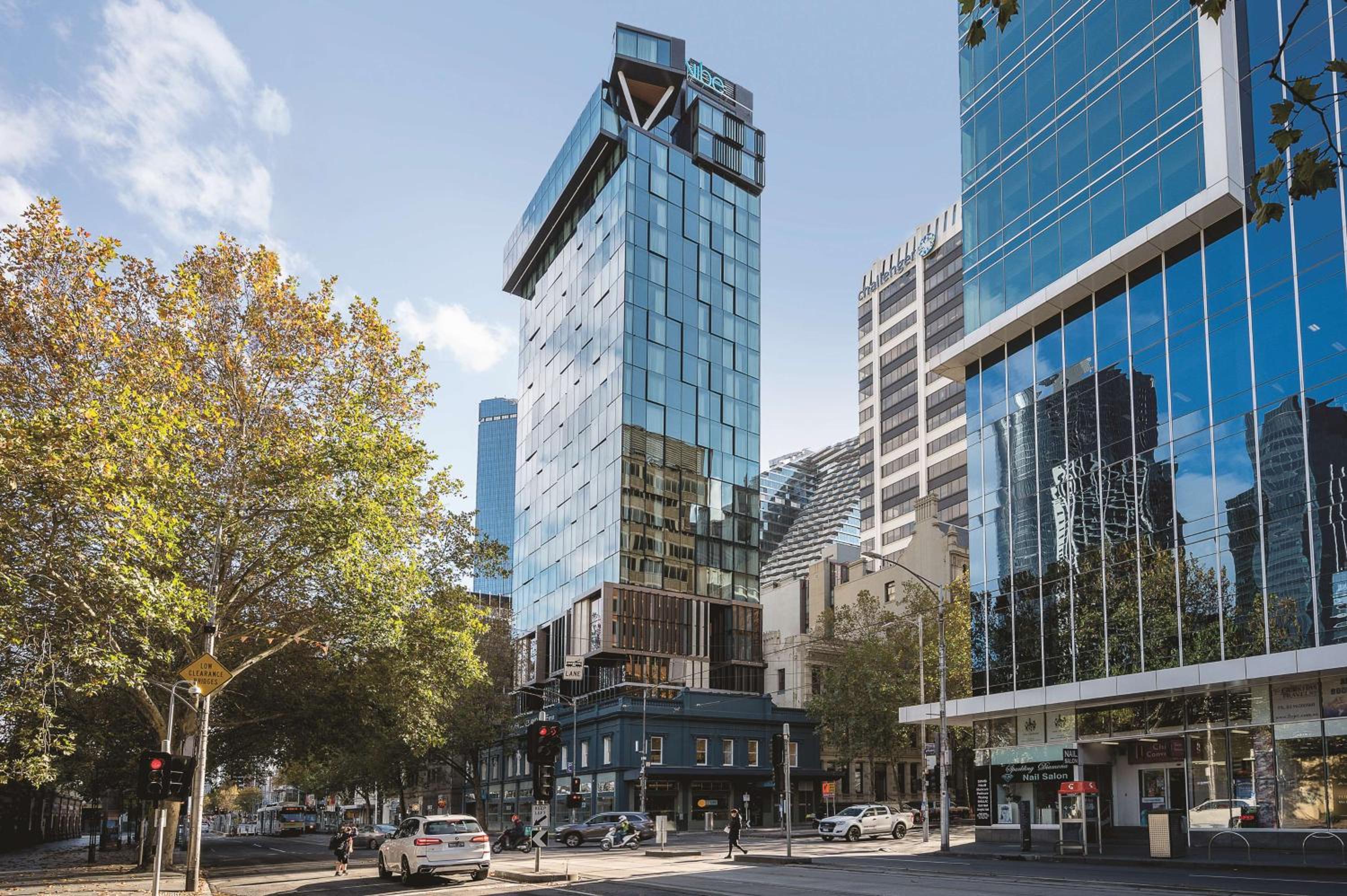
Vibe Hotel Melbourne
1 Queen Street
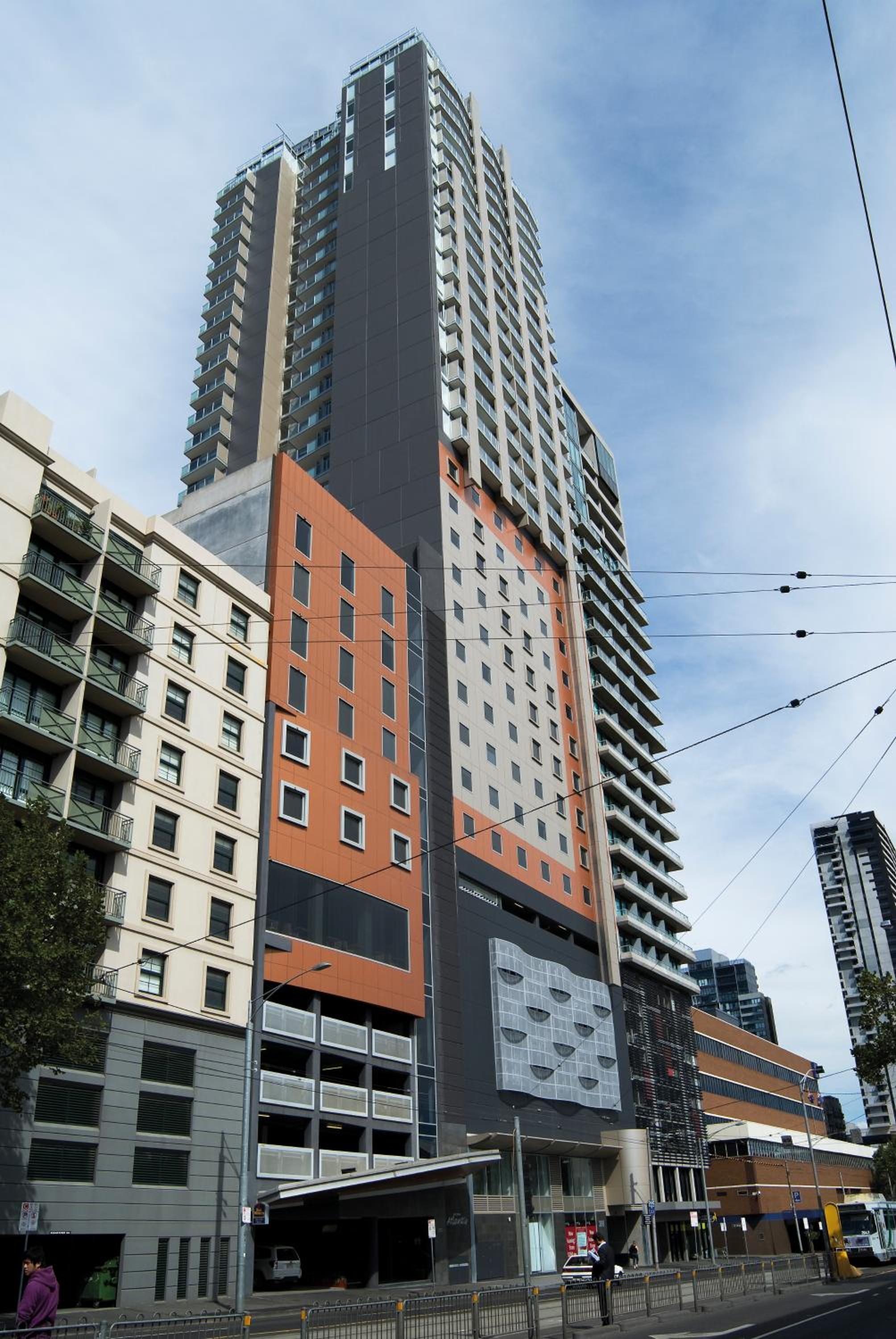
Atlantis Hotel Melbourne
300 Spencer Street
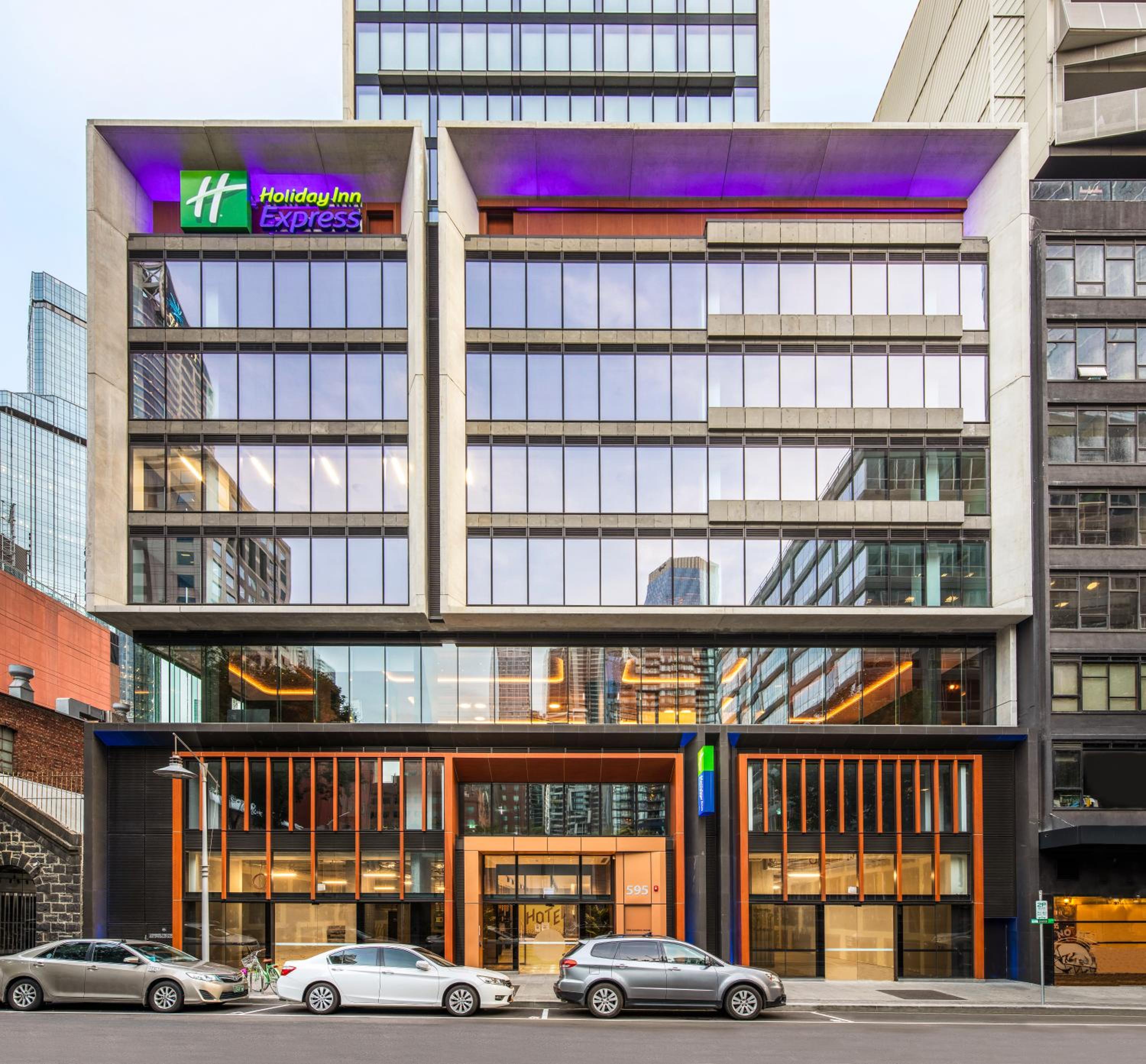
Holiday Inn Express Melbourne Little Collins by IHG
589-599 Little Collins Street
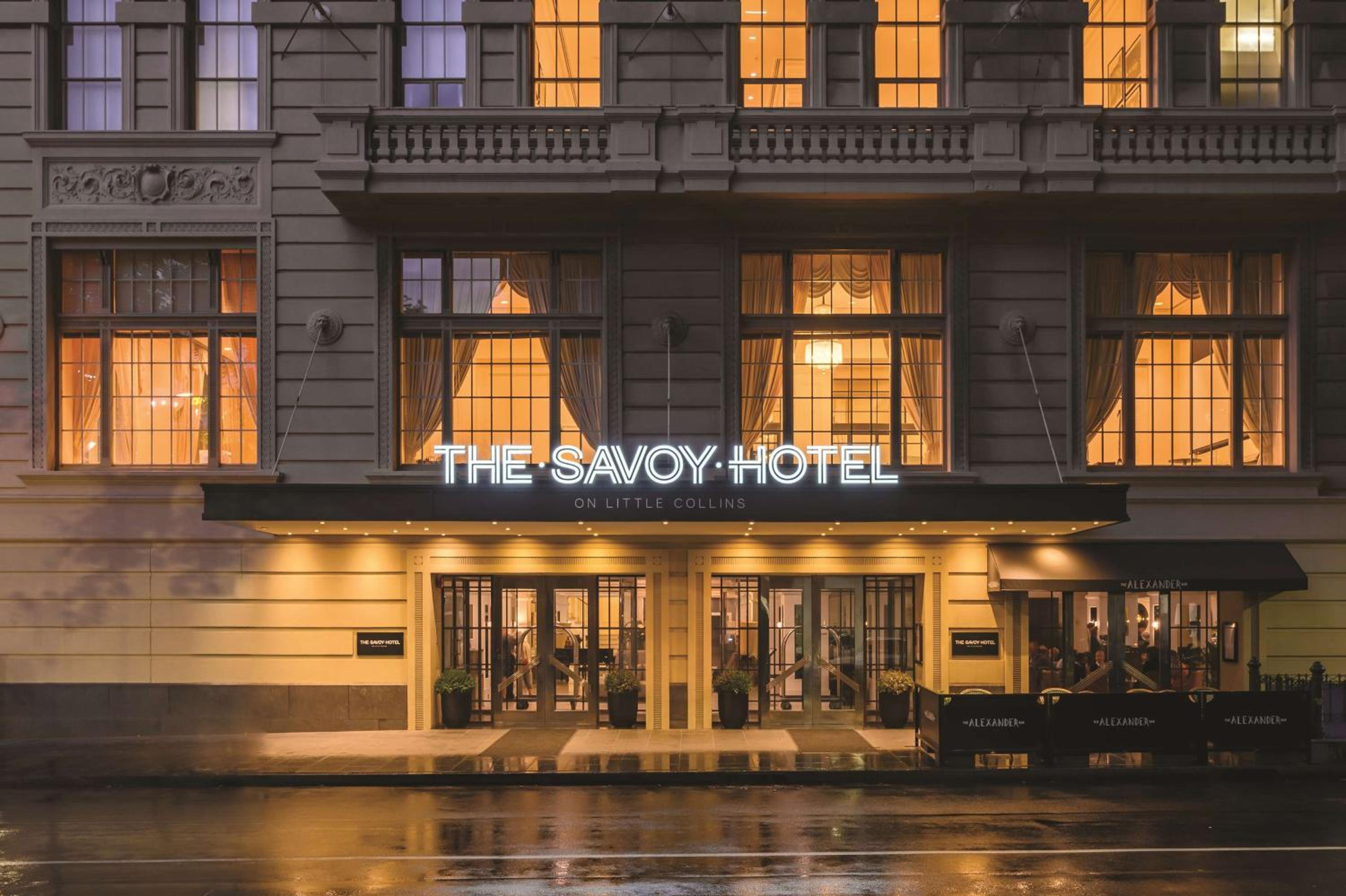
The Savoy Hotel on Little Collins Melbourne
630 Little Collins Street
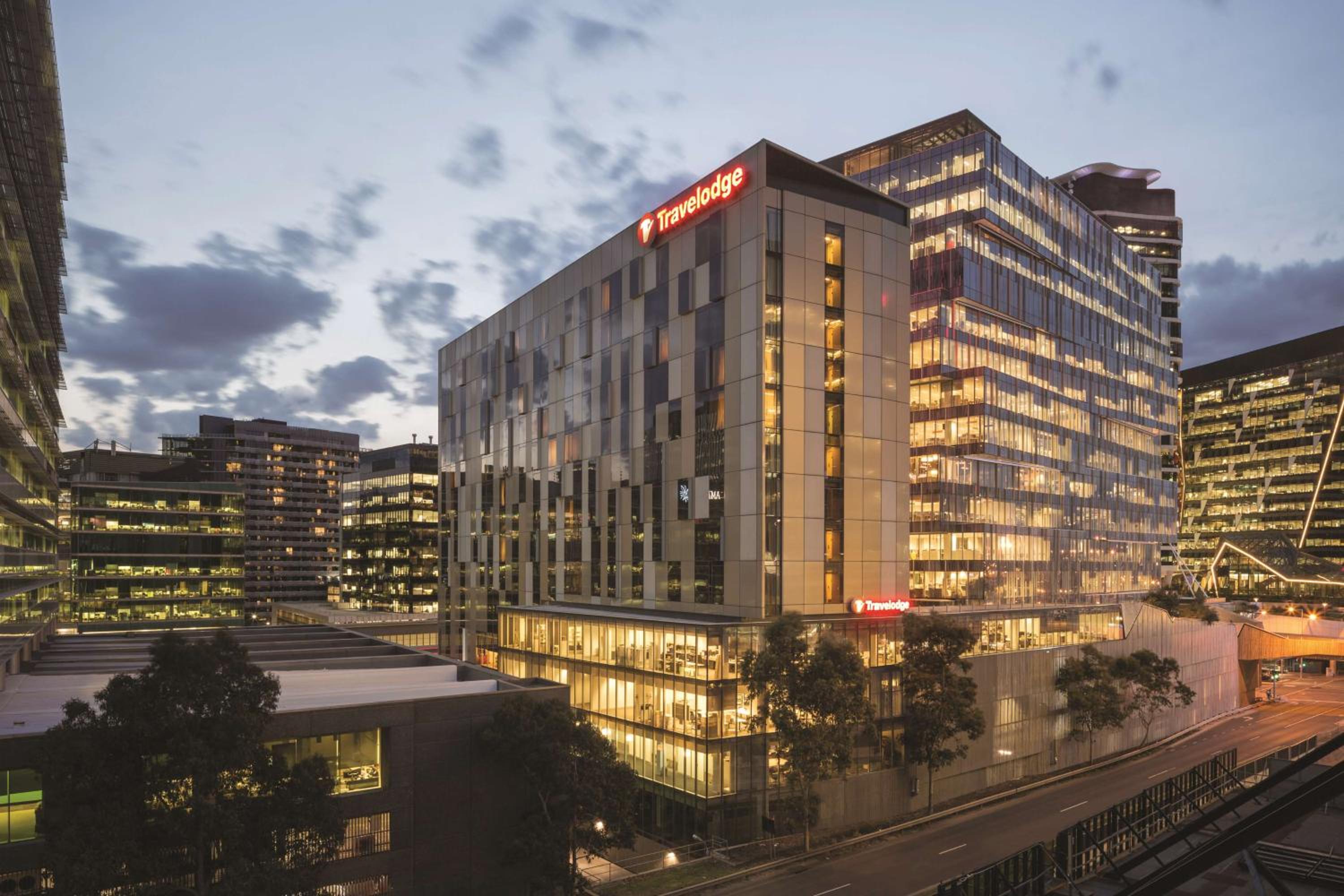
Travelodge Hotel Melbourne Docklands
66 Aurora Lane
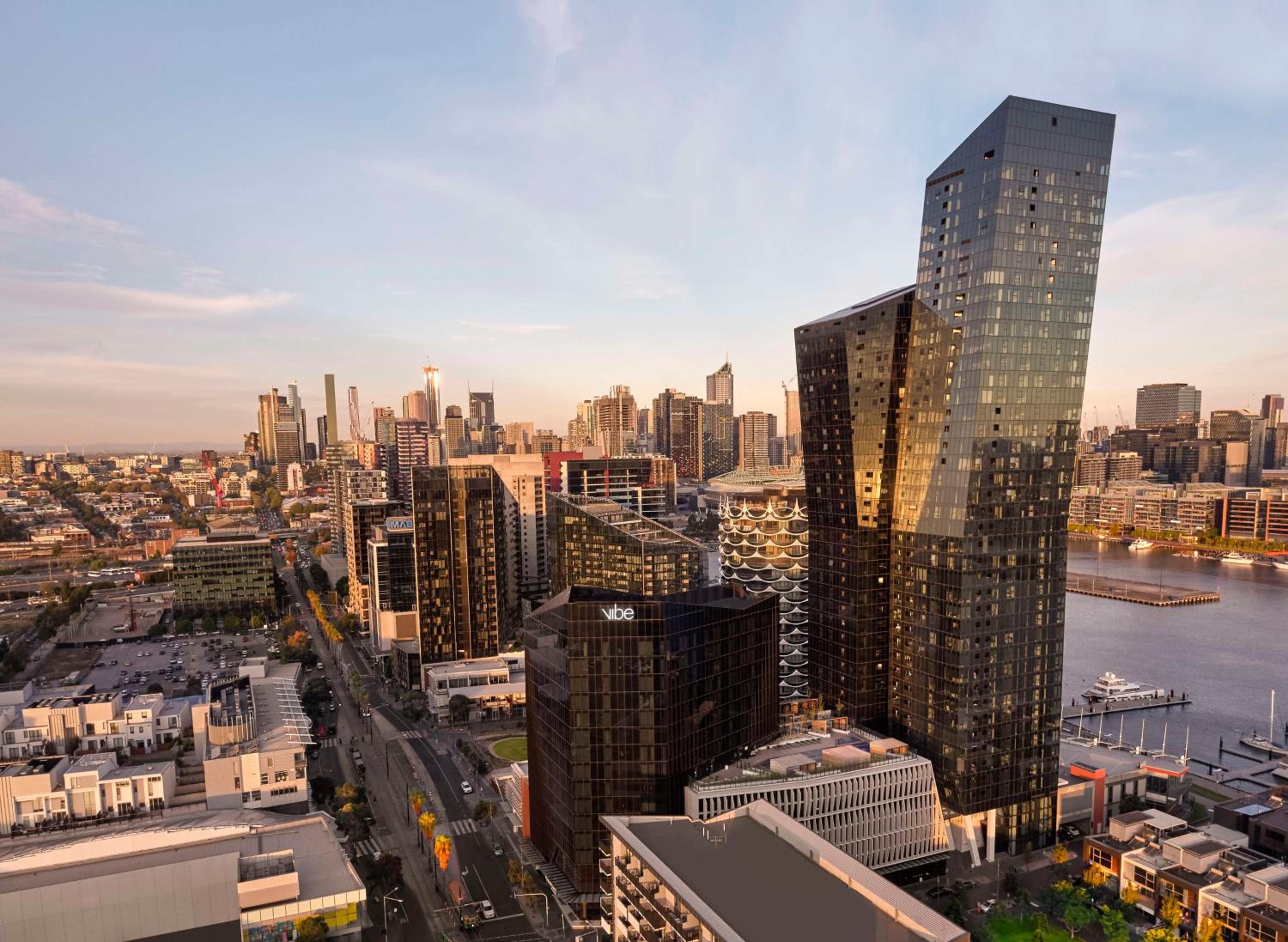
Vibe Hotel Melbourne Docklands
443 Docklands Drive
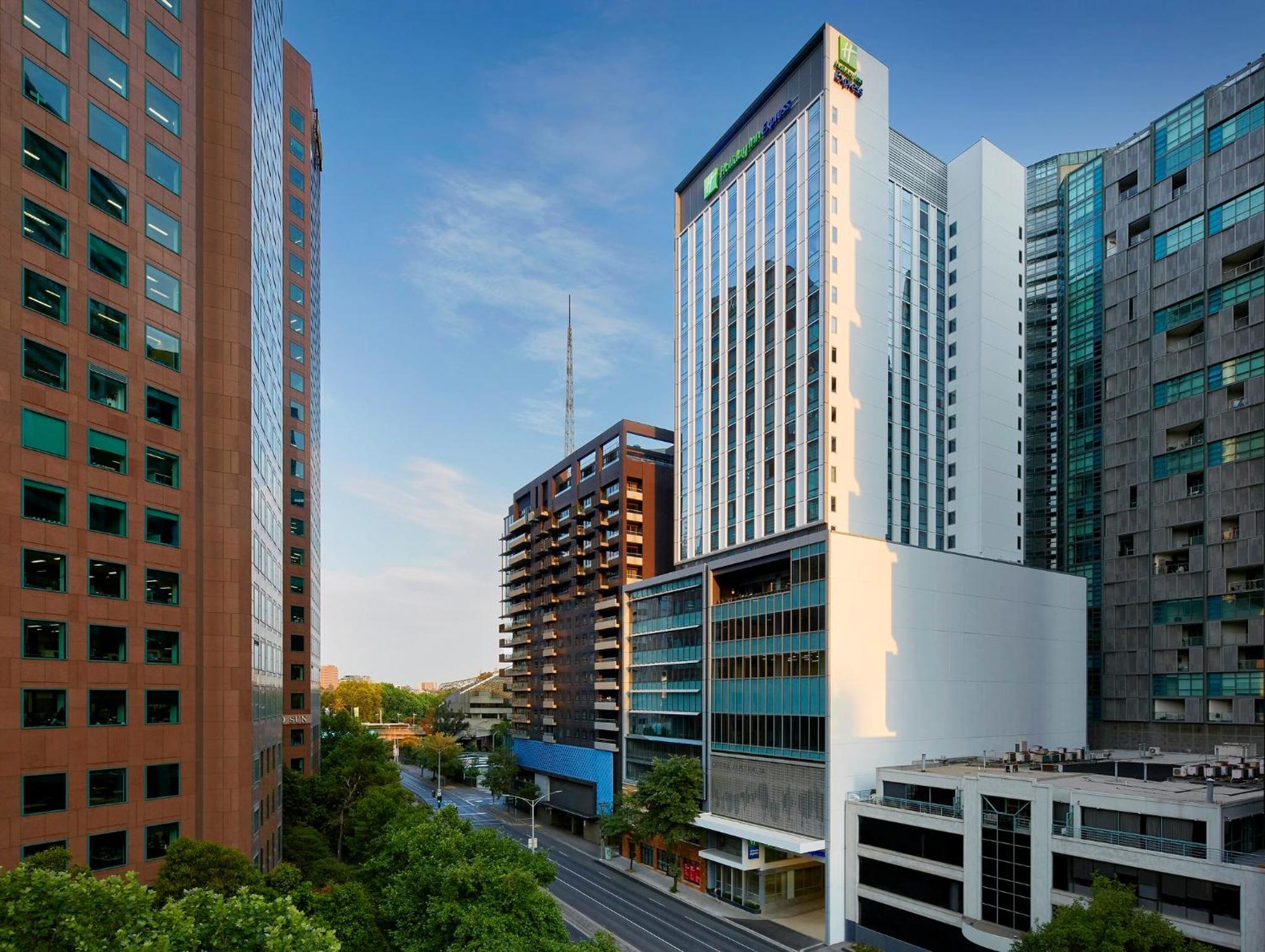
Holiday Inn Express Melbourne Southbank by IHG
35-47 City Road
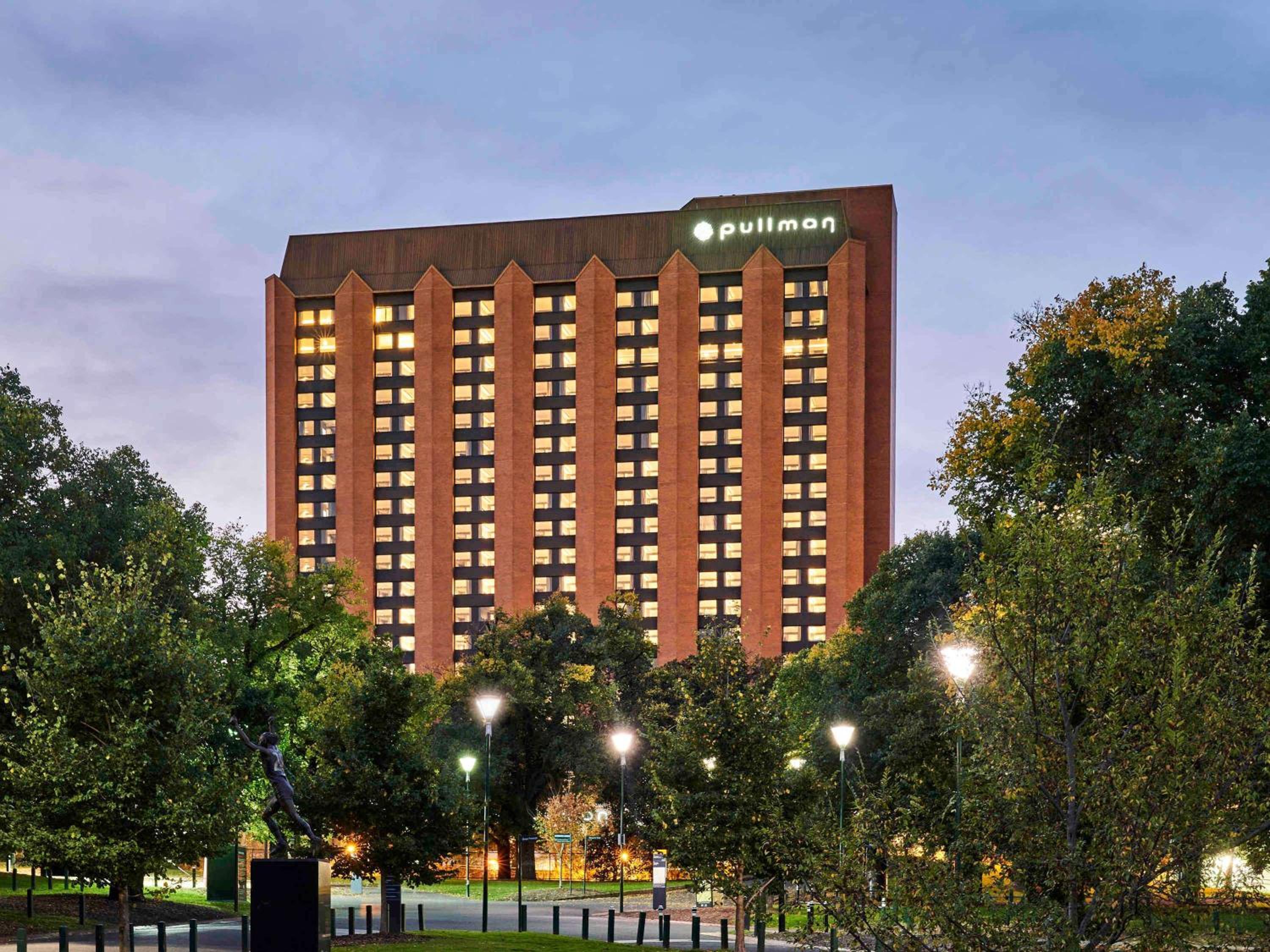
Pullman Melbourne On the Park
192 Wellington Parade
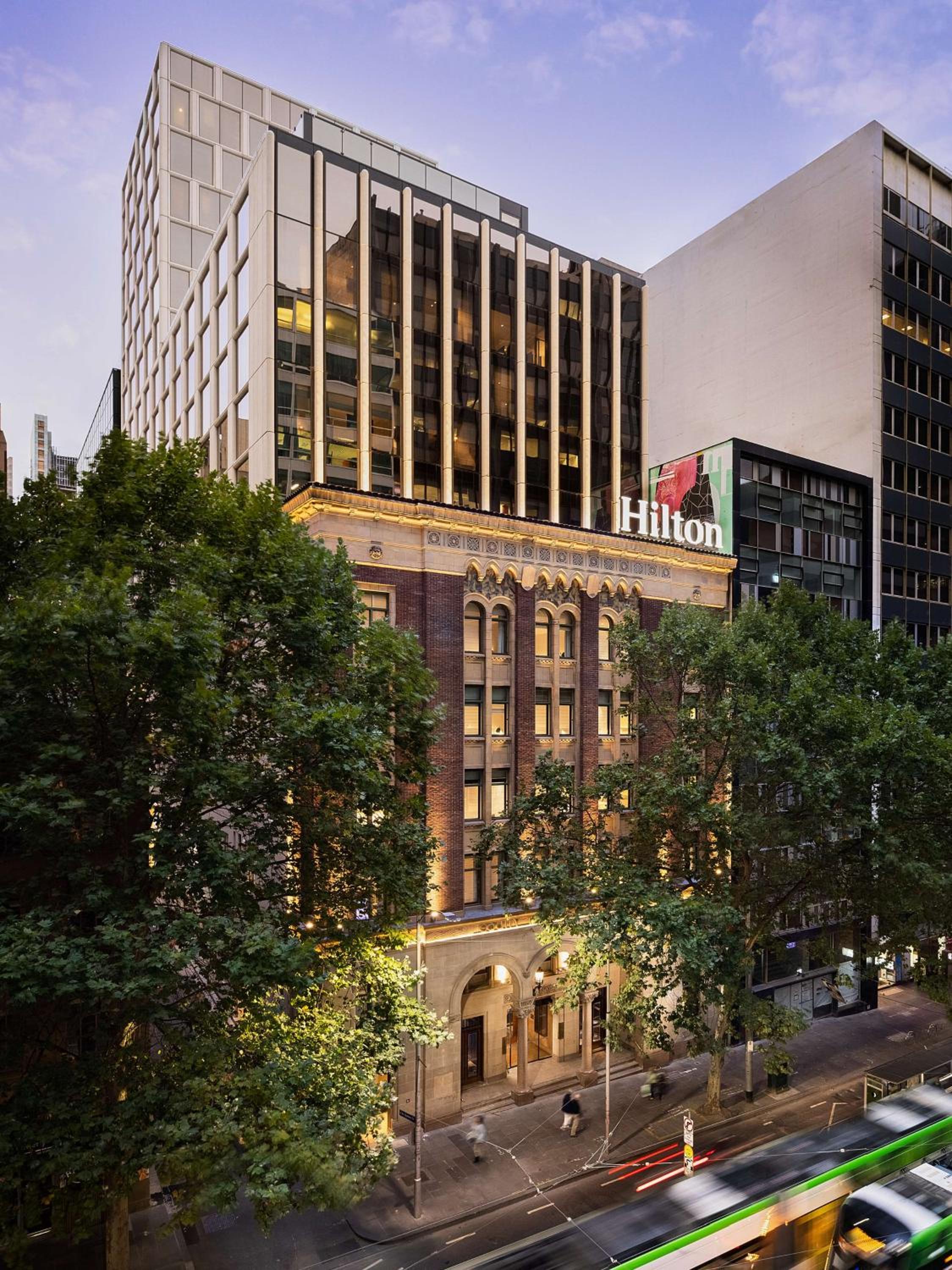
Hilton Melbourne Little Queen Street
18 Little Queen Street
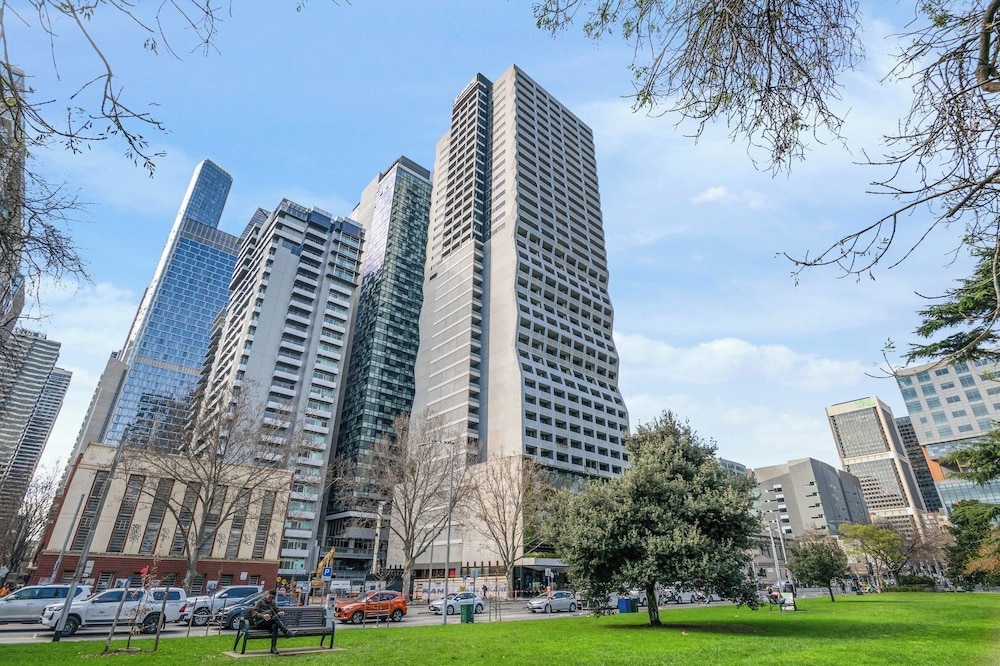
Oaks Melbourne on William Suites
350 William Street
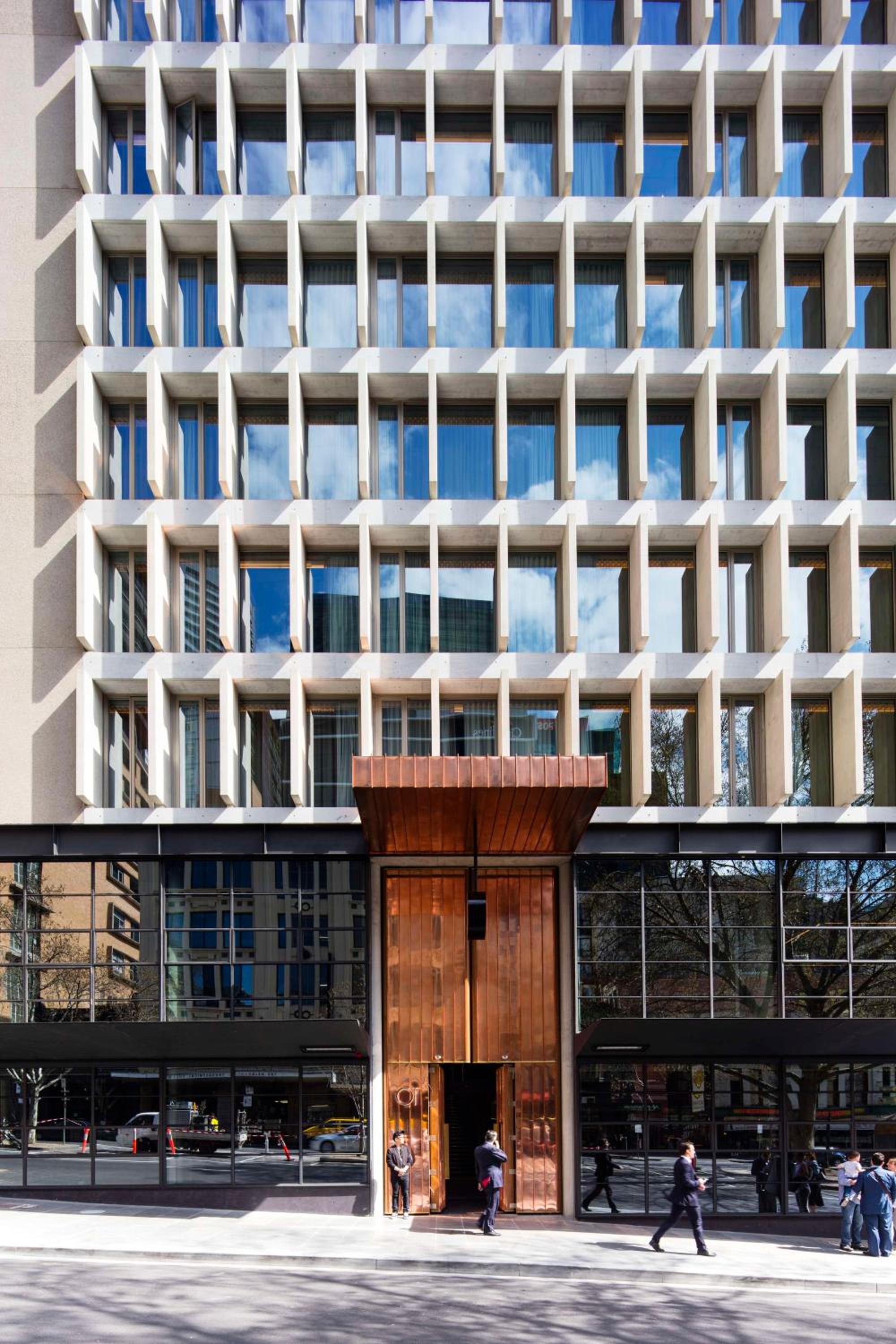
QT Melbourne
133 Russell St
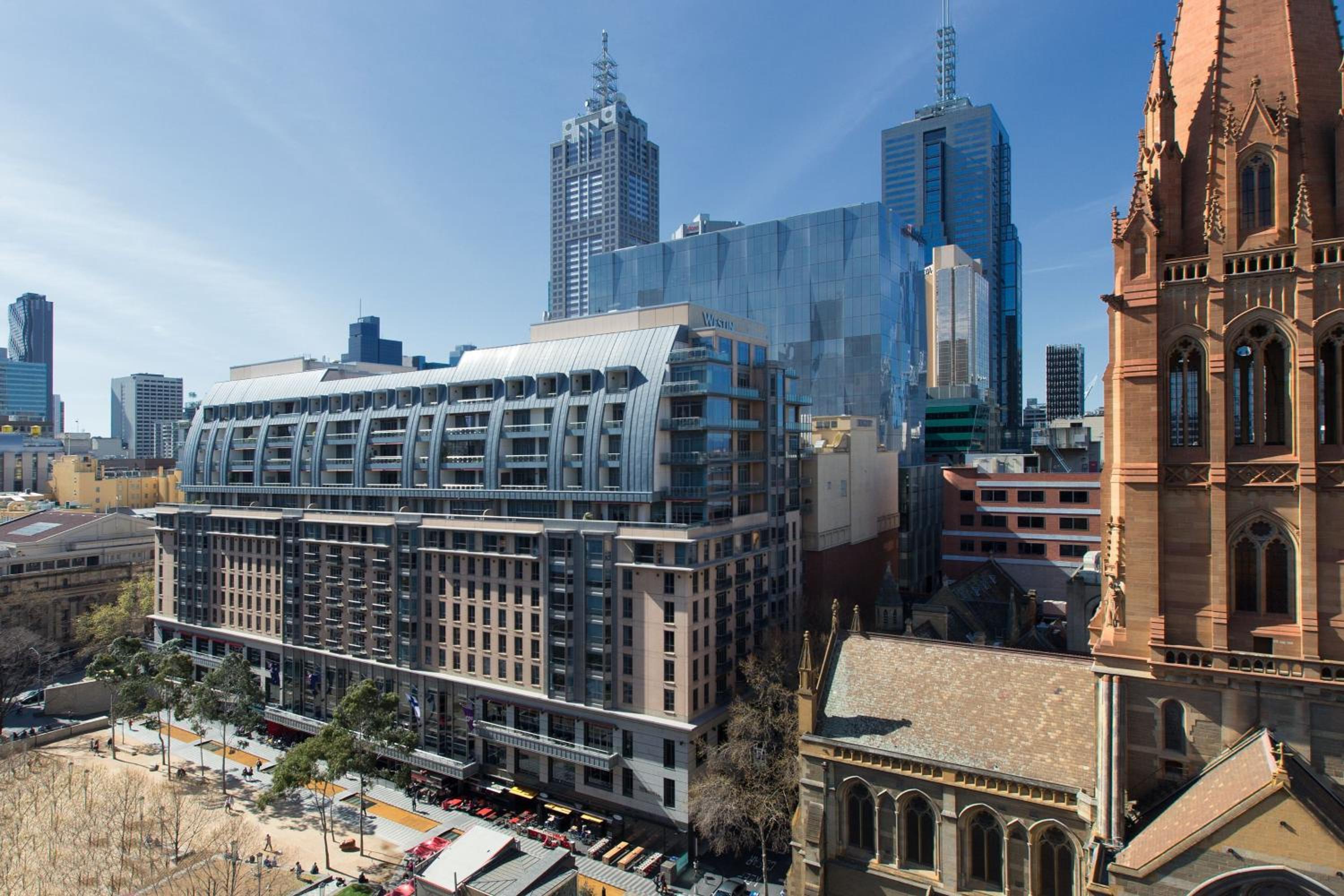
The Westin Melbourne
205 Collins Street
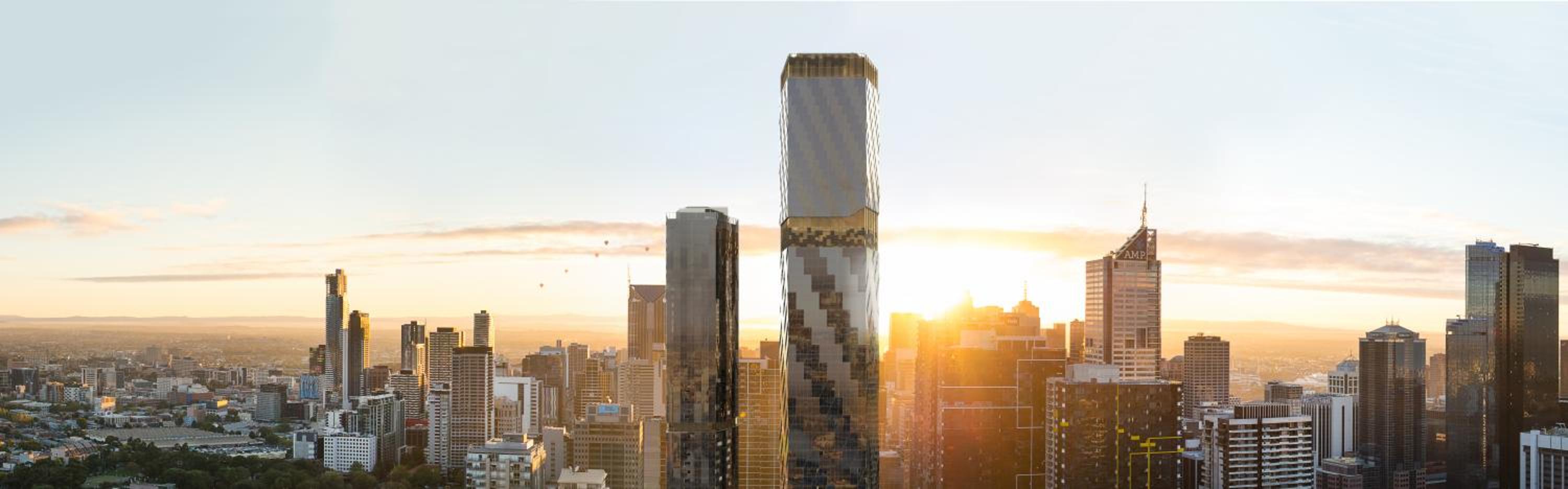
The Ritz-Carlton, Melbourne
650 Lonsdale Street
Looking for More Options?
Browse thousands of hotels in Melbourne, Australia with real-time pricing and availability
Browse All HotelsPowered by our hotel partners
Recommended Restaurants


Interesting Facts
Melbourne's labyrinthine laneways house more hidden bars and cafes than any other city, often accessible only through unmarked doors or unassuming alleys, making discovery an integral part of its urban experience.
Melbourne was briefly the wealthiest city in the world during the 1850s Victorian Gold Rush, leading to the construction of many grand Victorian-era buildings that still define its architectural landscape today.
Melbourne boasts the largest operational tram network outside of Europe, with over 250 kilometres of tracks and more than 1,700 tram stops, serving as an iconic and efficient mode of public transport.
Melburnians are estimated to consume more coffee per capita than any other city globally, with a thriving independent cafe scene pioneering many modern coffee trends.
The entire state of Victoria observes a public holiday for the Melbourne Cup horse race ('the race that stops a nation') on the first Tuesday of November, a unique tradition reflecting the city's deep passion for sport.
The Royal Exhibition Building and Carlton Gardens is Australia's first site to be granted UNESCO World Heritage status, recognized for its exceptional 19th-century exhibition complex designed by Joseph Reed.
Melbourne is officially recognised as a UNESCO City of Literature, celebrating its vibrant literary scene, numerous publishing houses, and its status as the birthplace of many significant Australian writers and literary festivals.
Melbourne is one of the few places in the world where drivers must perform a 'hook turn' at specific intersections in the city centre, a counter-intuitive maneuver designed to keep tram lines clear.