
Salzburg, Austria
Overview
Salzburg, a city steeped in history and musical heritage, captivates with its baroque architecture, charming streets, and the imposing Hohensalzburg Fortress. Experience the magic of Mozart's birthplace, wander through Mirabell Gardens, and soak in the breathtaking Alpine scenery surrounding this enchanting Austrian city.
Best Time to Travel
Best Months
May to October
During the best months, expect pleasant to warm temperatures, longer daylight hours, and often sunny skies, ideal for exploring the city and surrounding nature. Occasional rain showers are possible, so packing layers is advisable.
Months to Avoid
November to March – Colder weather, shorter daylight hours, and some attractions may have reduced operating hours. December is popular for Christmas markets but can be very crowded and cold.
Consider visiting during other months
Peak Season
July and August (due to summer holidays and Salzburg Festival), December (for Christmas markets)
Expect larger crowds and higher prices
Top Things to Do

Schloss Leopoldskron

Fortress Hohensalzburg

Haus der Natur

Untersbergmuseum Grödig-Fürstenbrunn

Mirabell Palace

Mozart's Birthplace

Salzburg Cathedral

Museum der Moderne

Mozart Residence

Mozarteum University Salzburg

Lokwelt Freilassing

Hotel EDELWEISS Berchtesgaden

Hotel Schloss Mönchstein

Alm- & Wellnesshotel Alpenhof

Romantik Hotel - Die Gersberg Alm

Alpenhotel Kronprinz
Recommended Hotels
Search All Hotels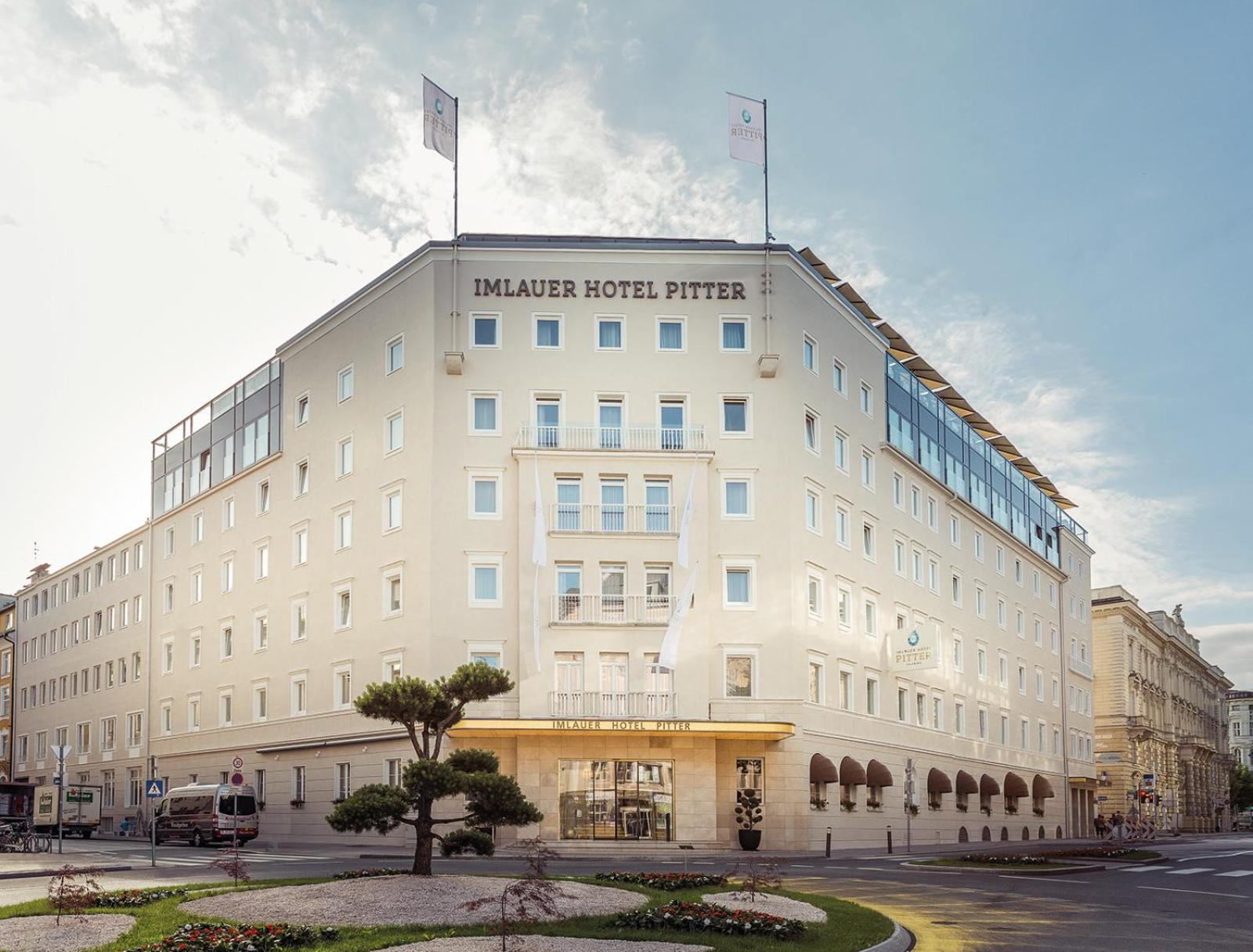
IMLAUER HOTEL PITTER Salzburg
Rainerstrasse 6-8
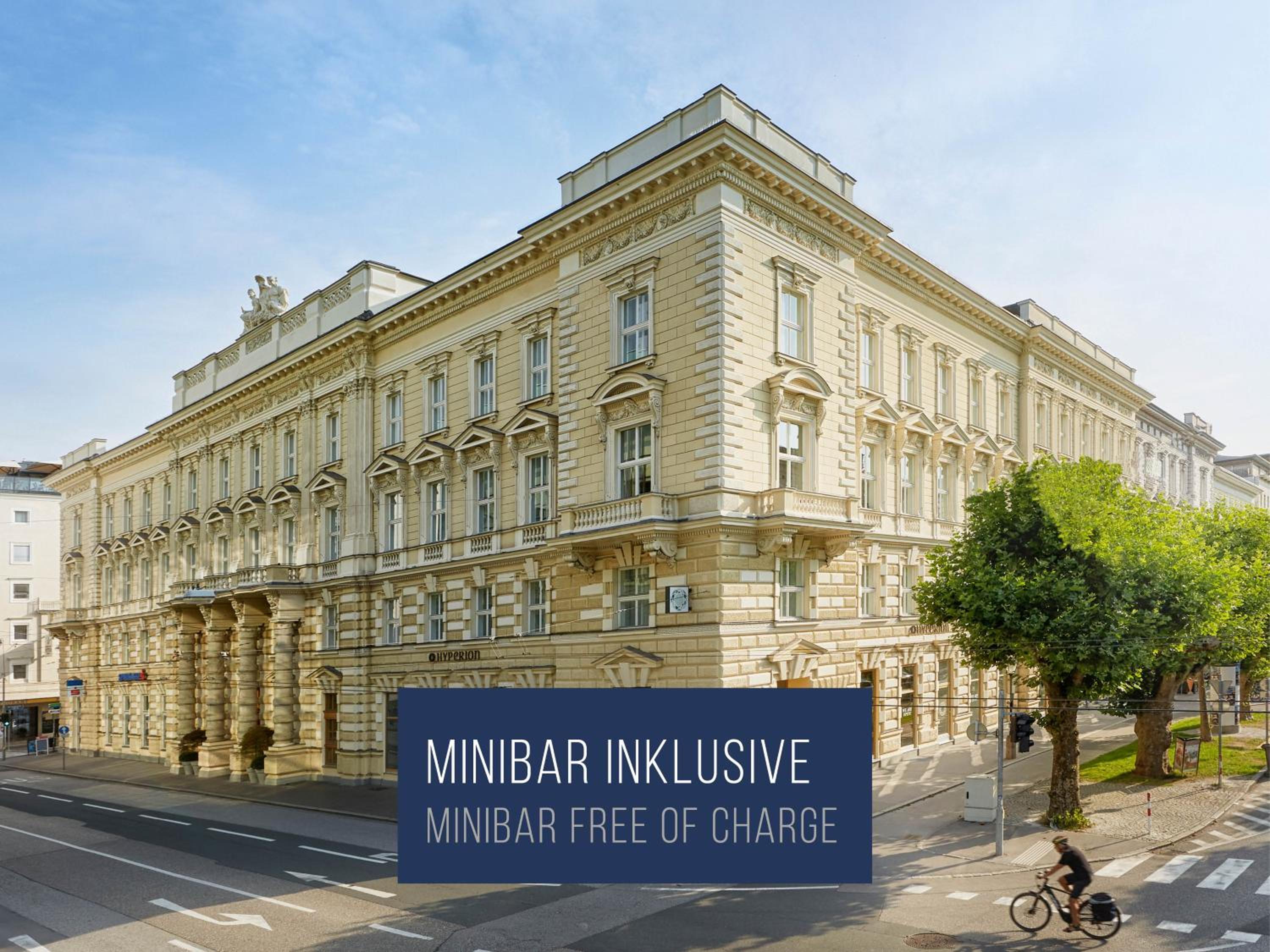
HYPERION Hotel Salzburg
Rainerstraße 4
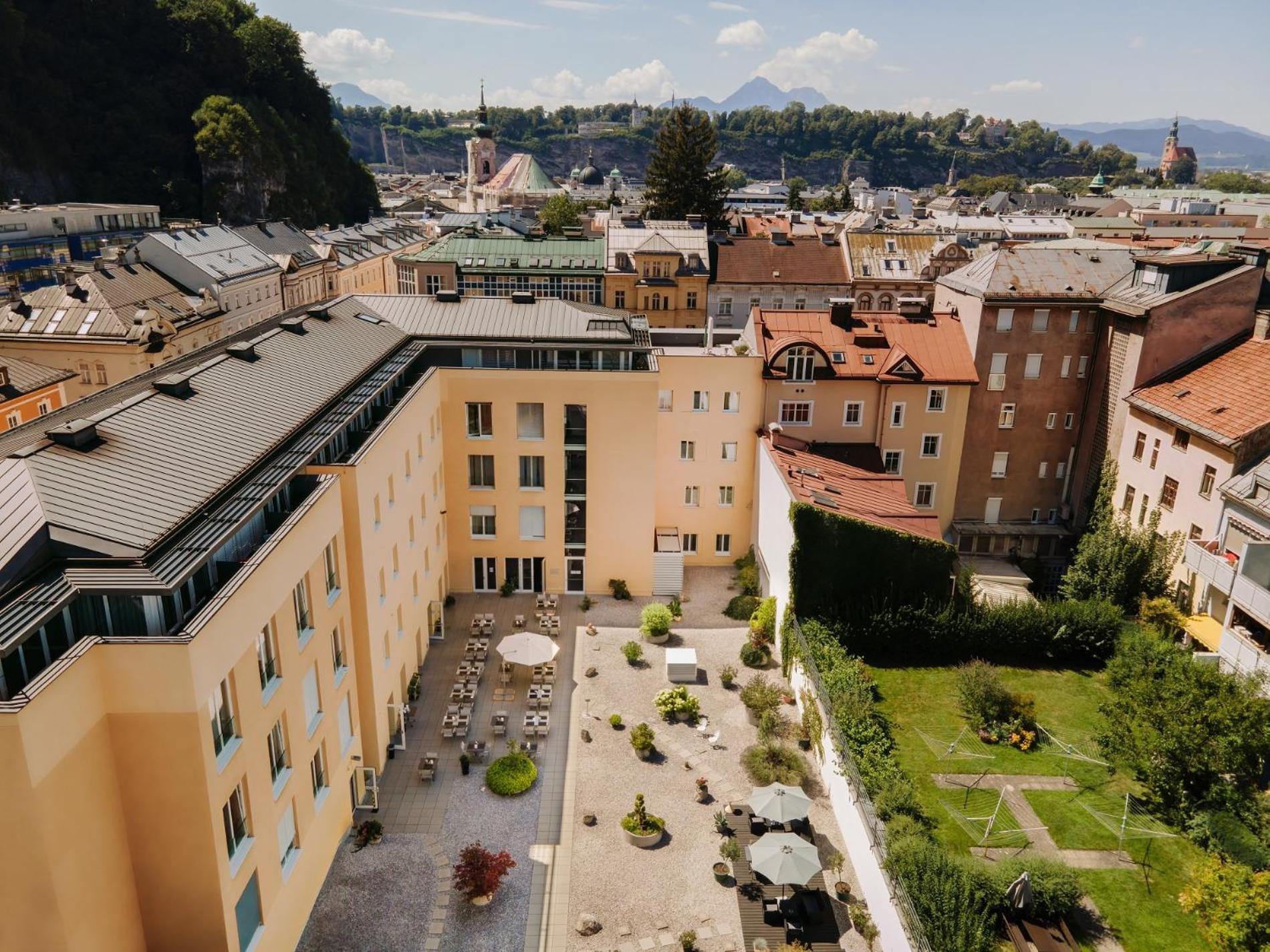
Altstadt Hotel Hofwirt Salzburg
Schallmooser Hauptstr. 1
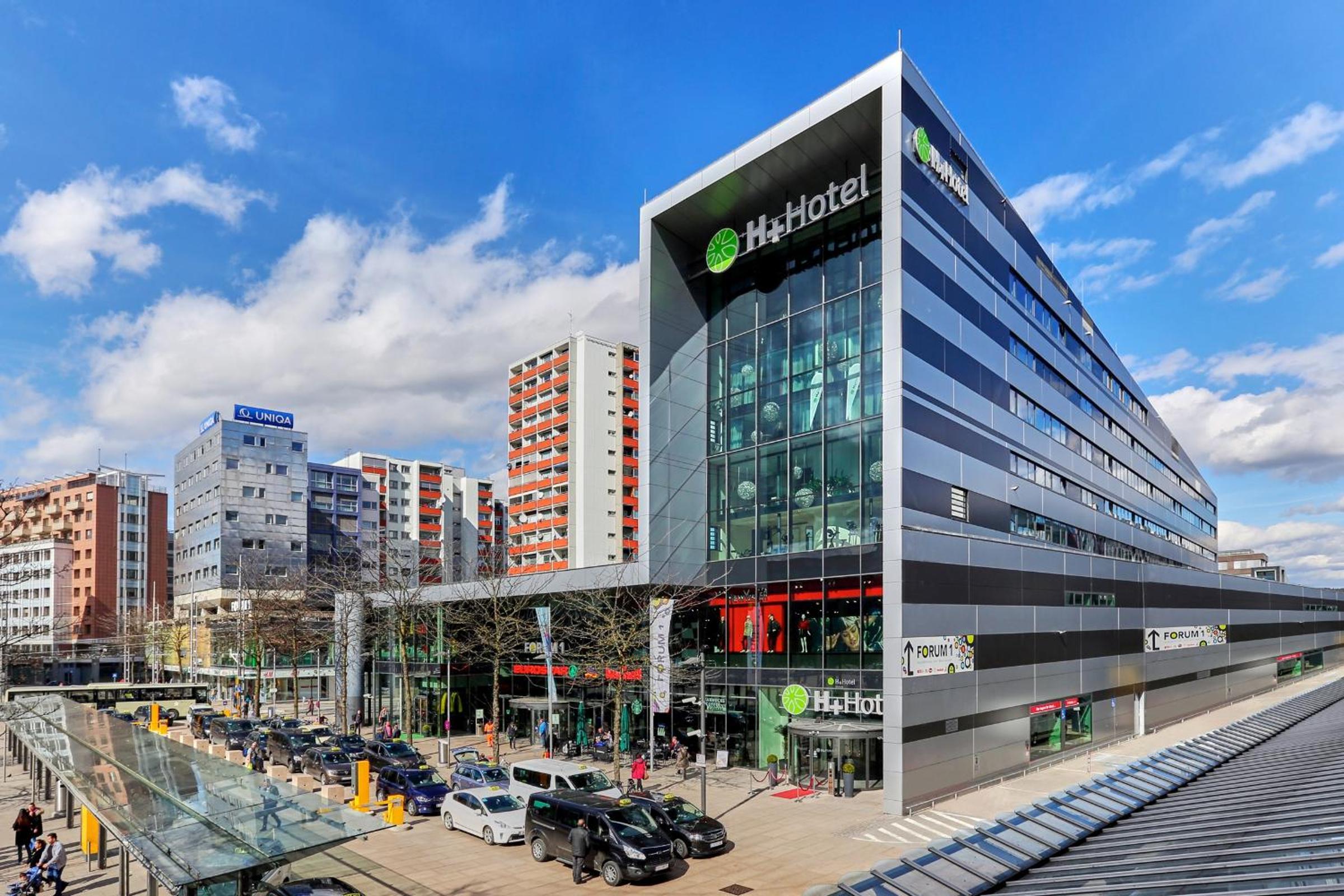
H+ Hotel Salzburg
Südtiroler Platz 13
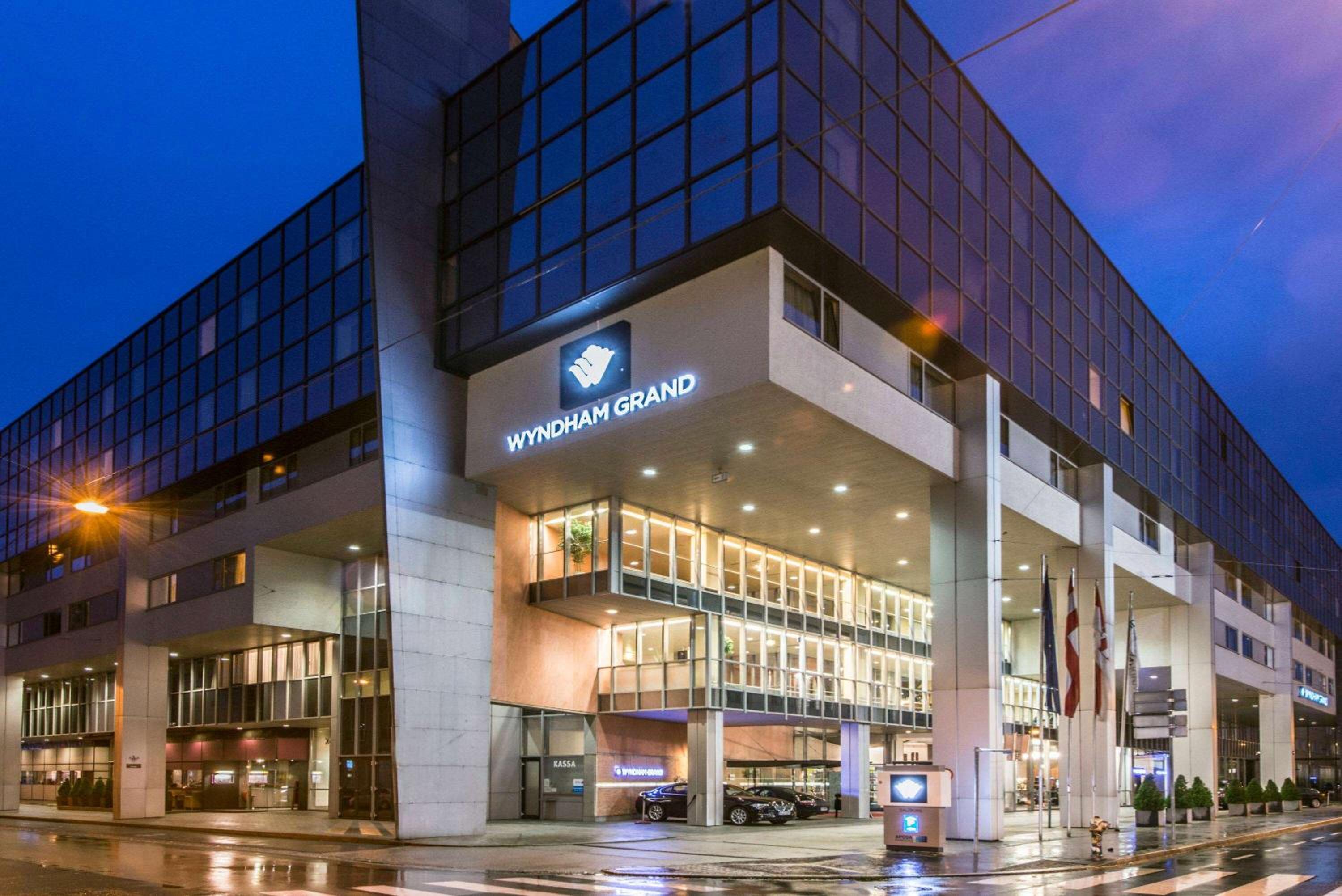
Wyndham Grand Salzburg Conference Centre
Fanny Von Lehnert Strasse 7
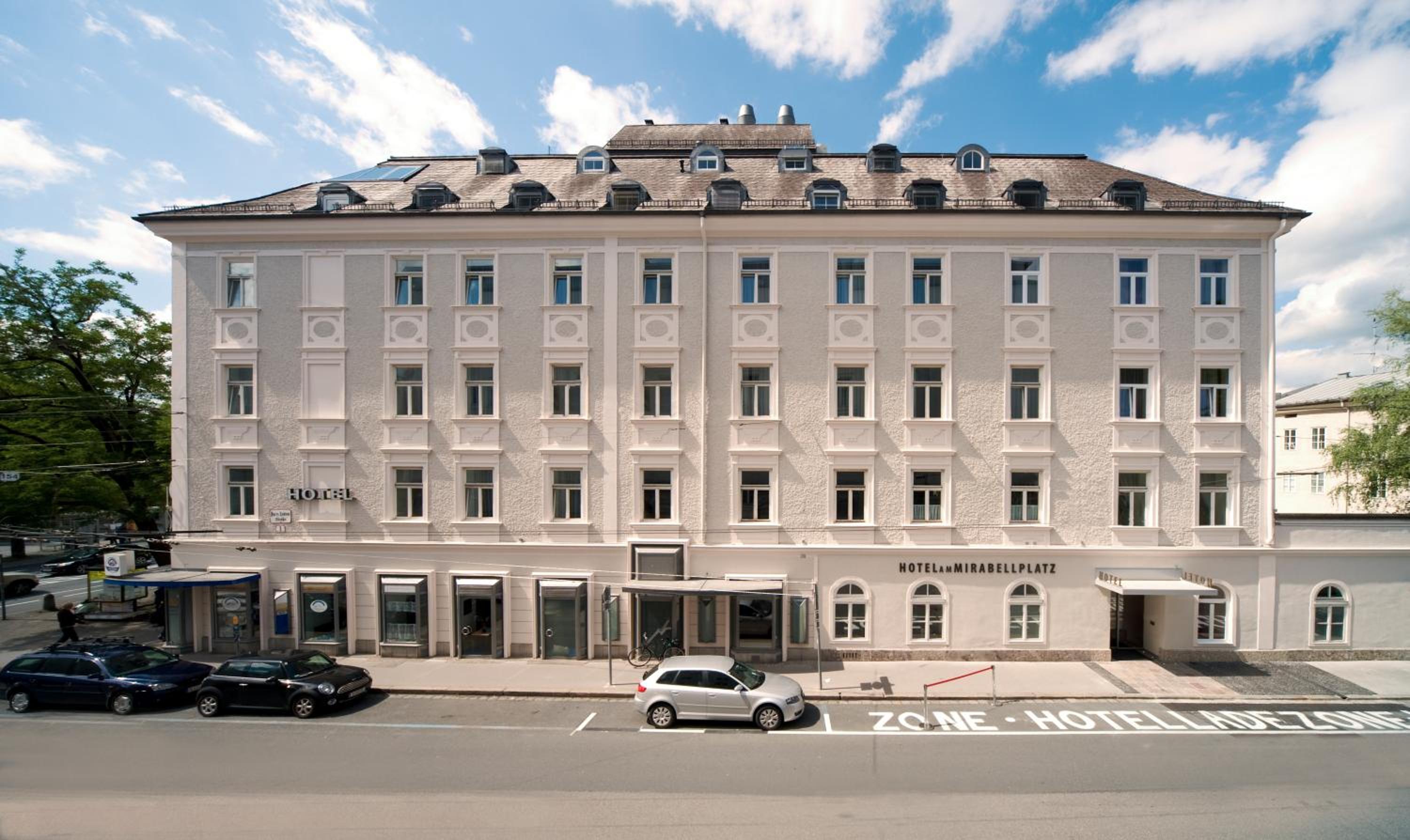
IMLAUER Palais Mirabell - Hotel am Mirabellplatz
Paris-Lodron-Strasse 1
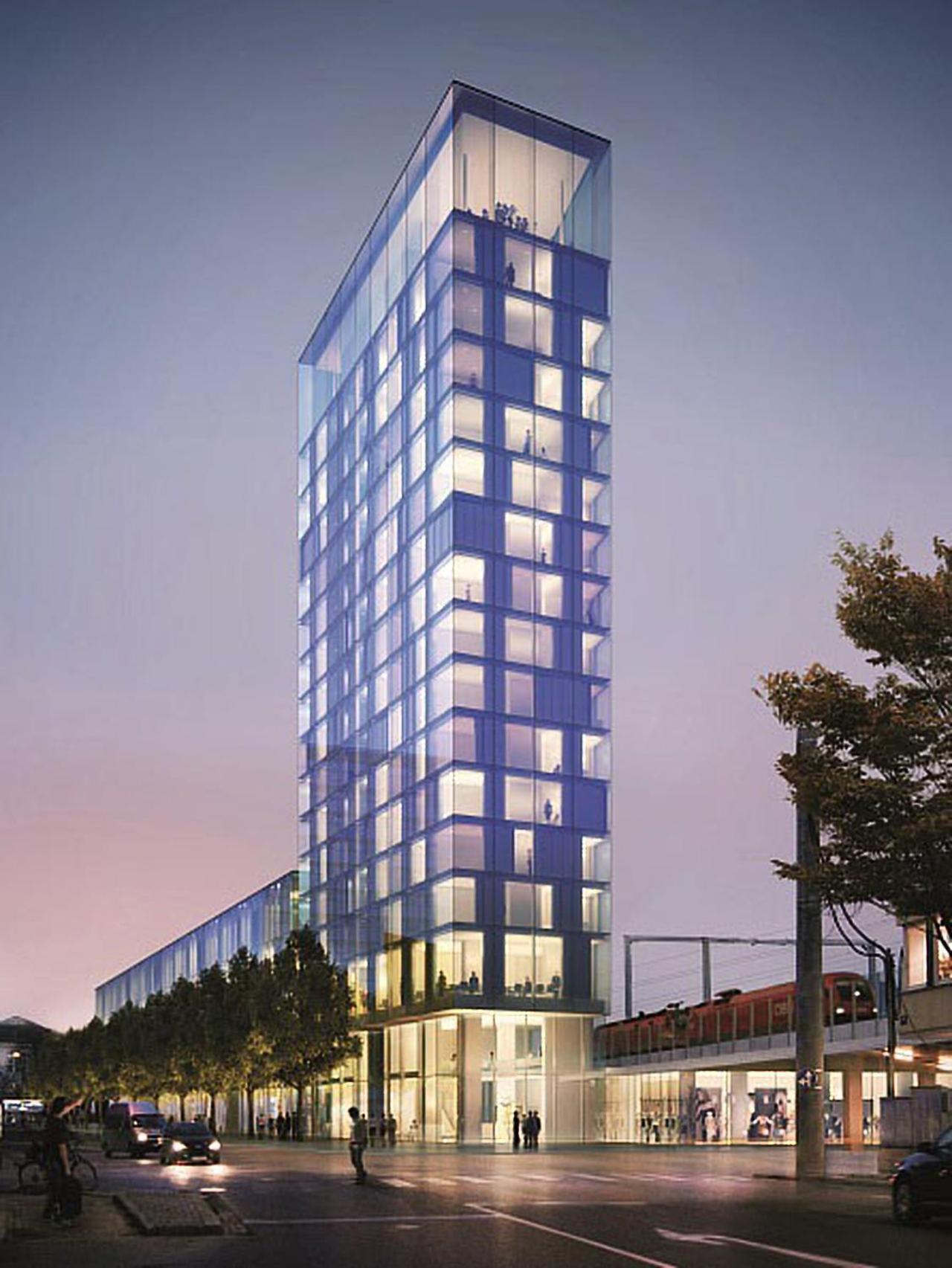
arte Hotel Salzburg
Rainerstr. 28
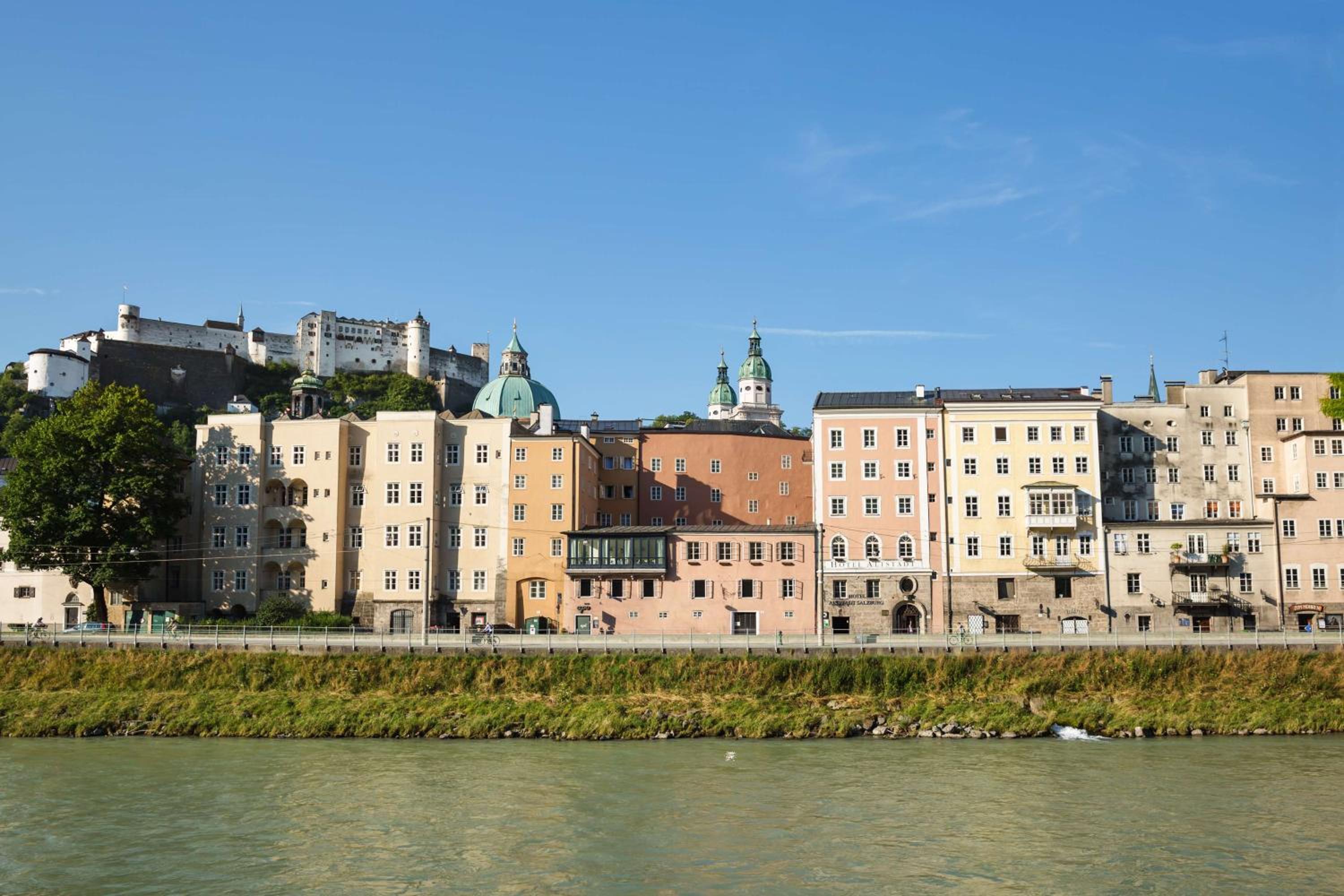
Radisson Blu Hotel Altstadt
Rudolfskai 28 / Judengasse 15
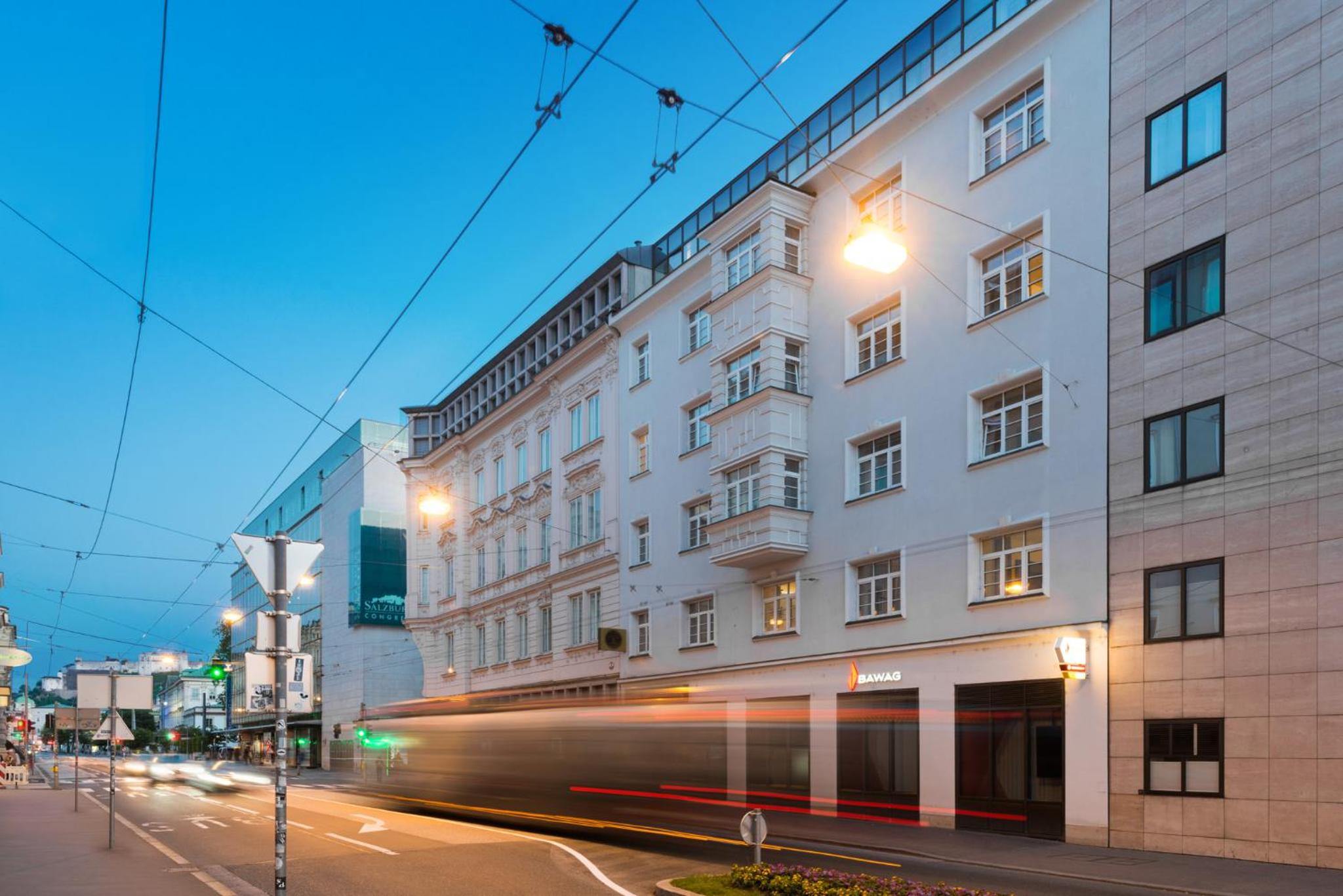
master Mirabell
Rainerstraße 7
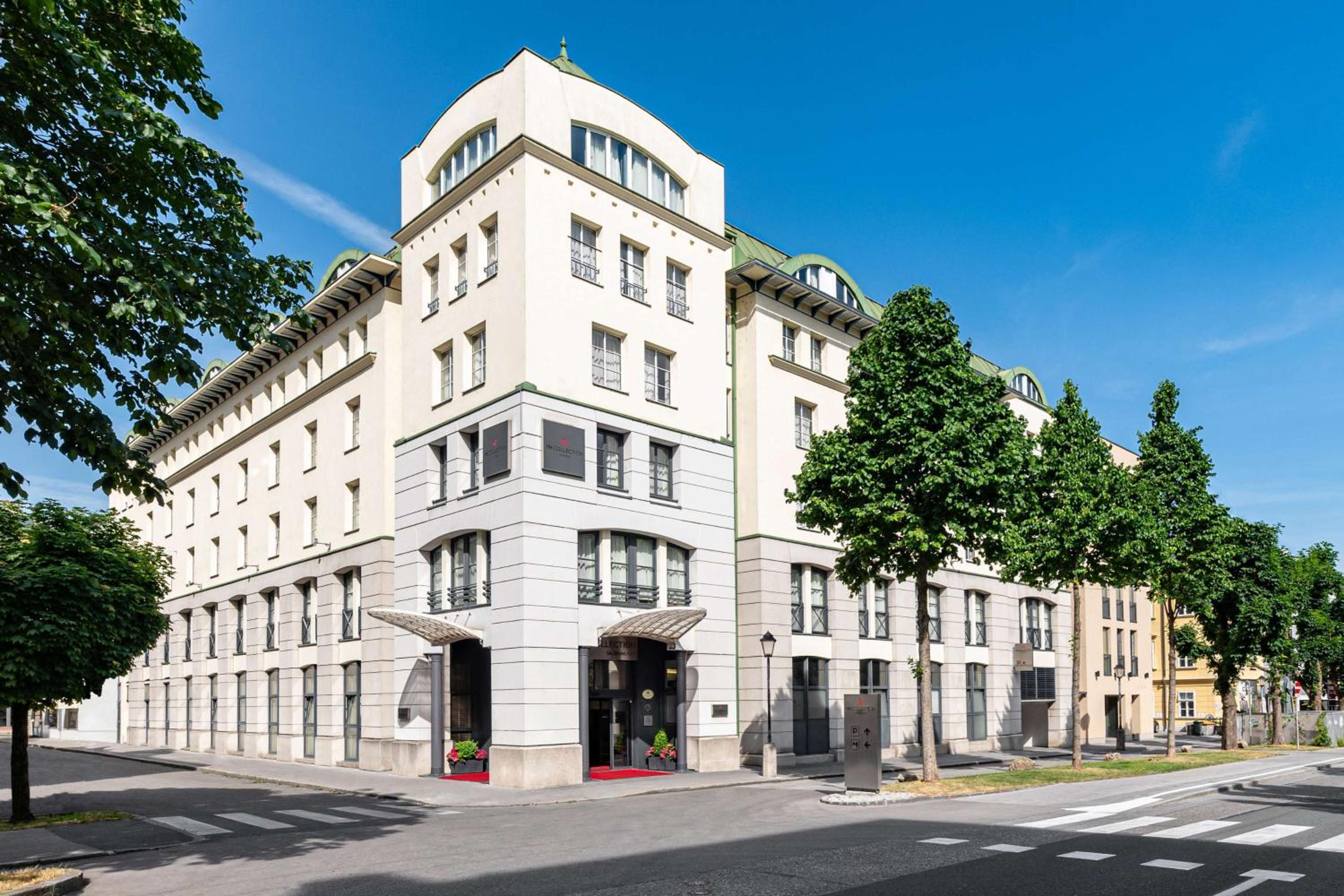
NH Collection Salzburg City
Franz-Josef-Str. 26
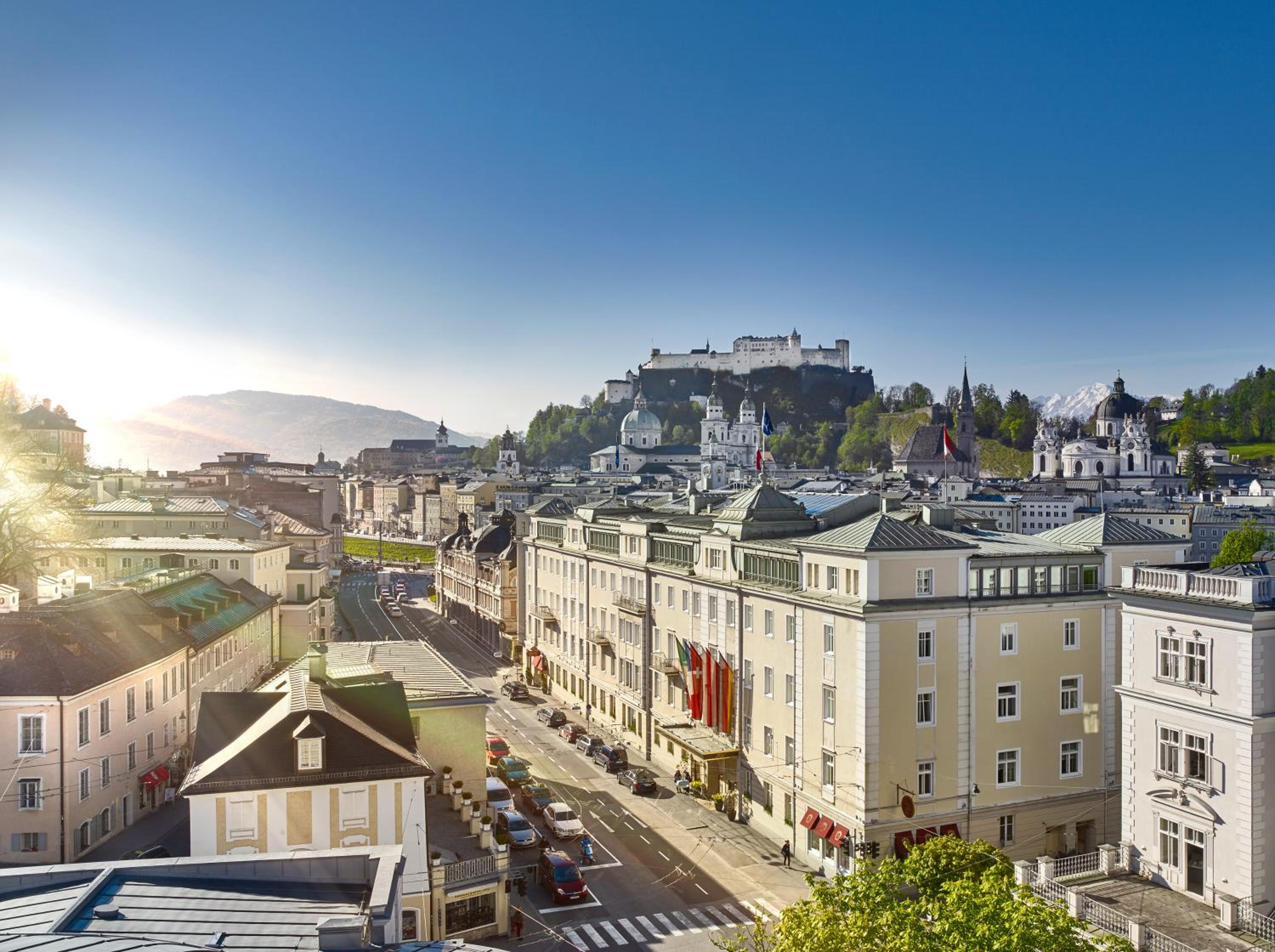
Hotel Sacher Salzburg
Schwarzstrasse 5-7

Hotel IMLAUER & Bräu
Rainerstraße 12-14
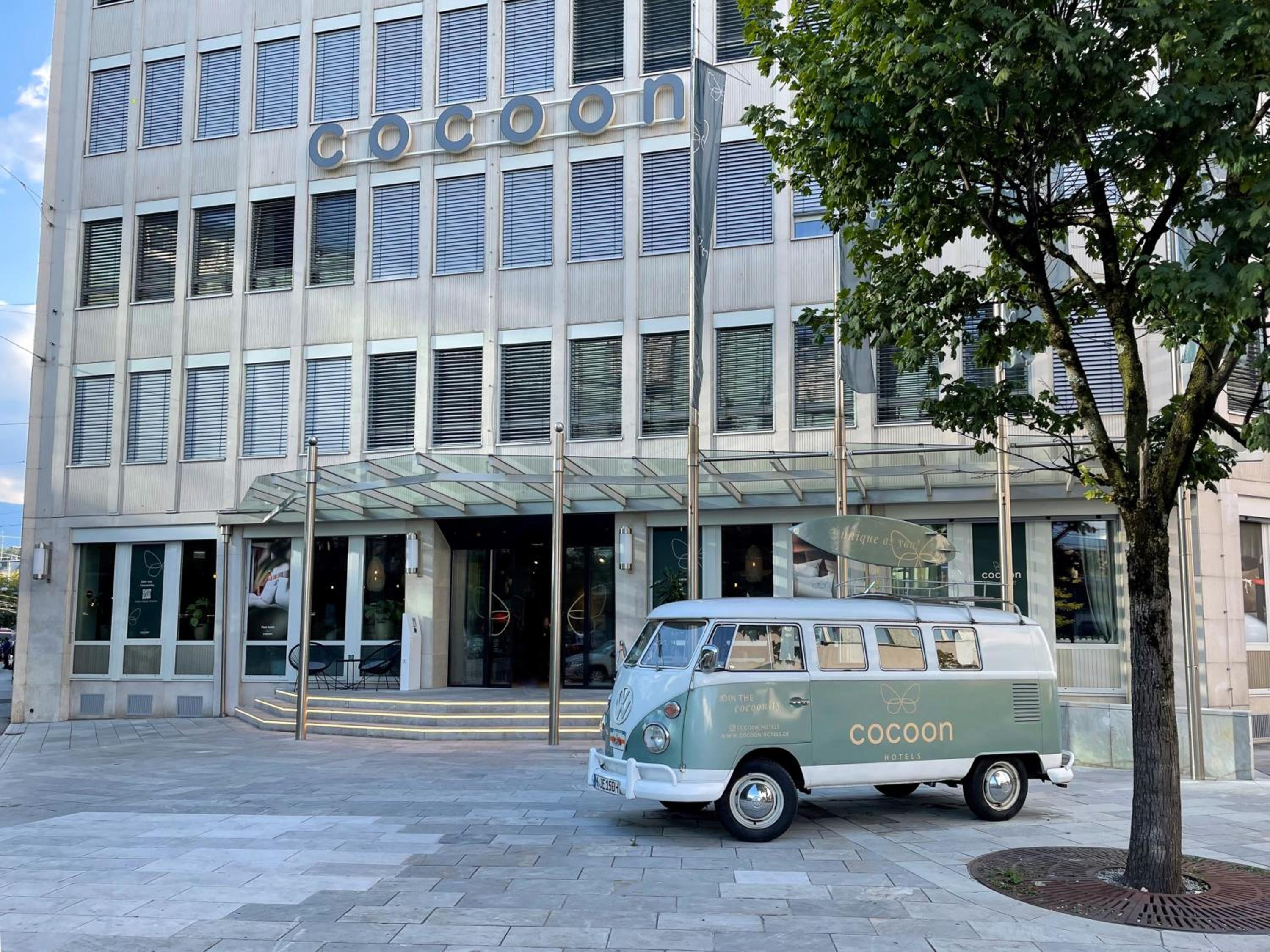
Cocoon Salzburg
Rainerstraße 29
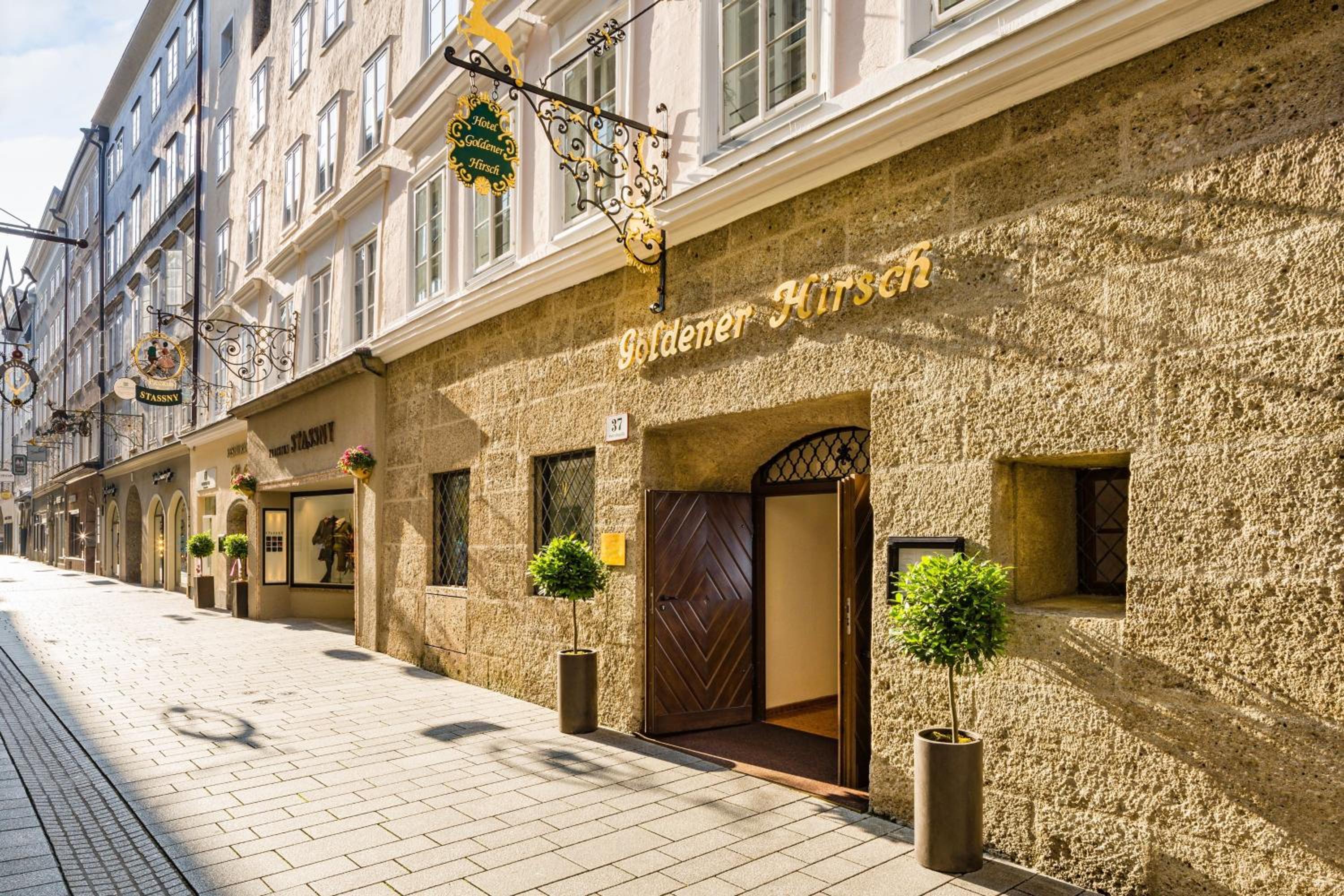
Hotel Goldener Hirsch, A Luxury Collection Hotel, Salzburg
Getreidegasse 37
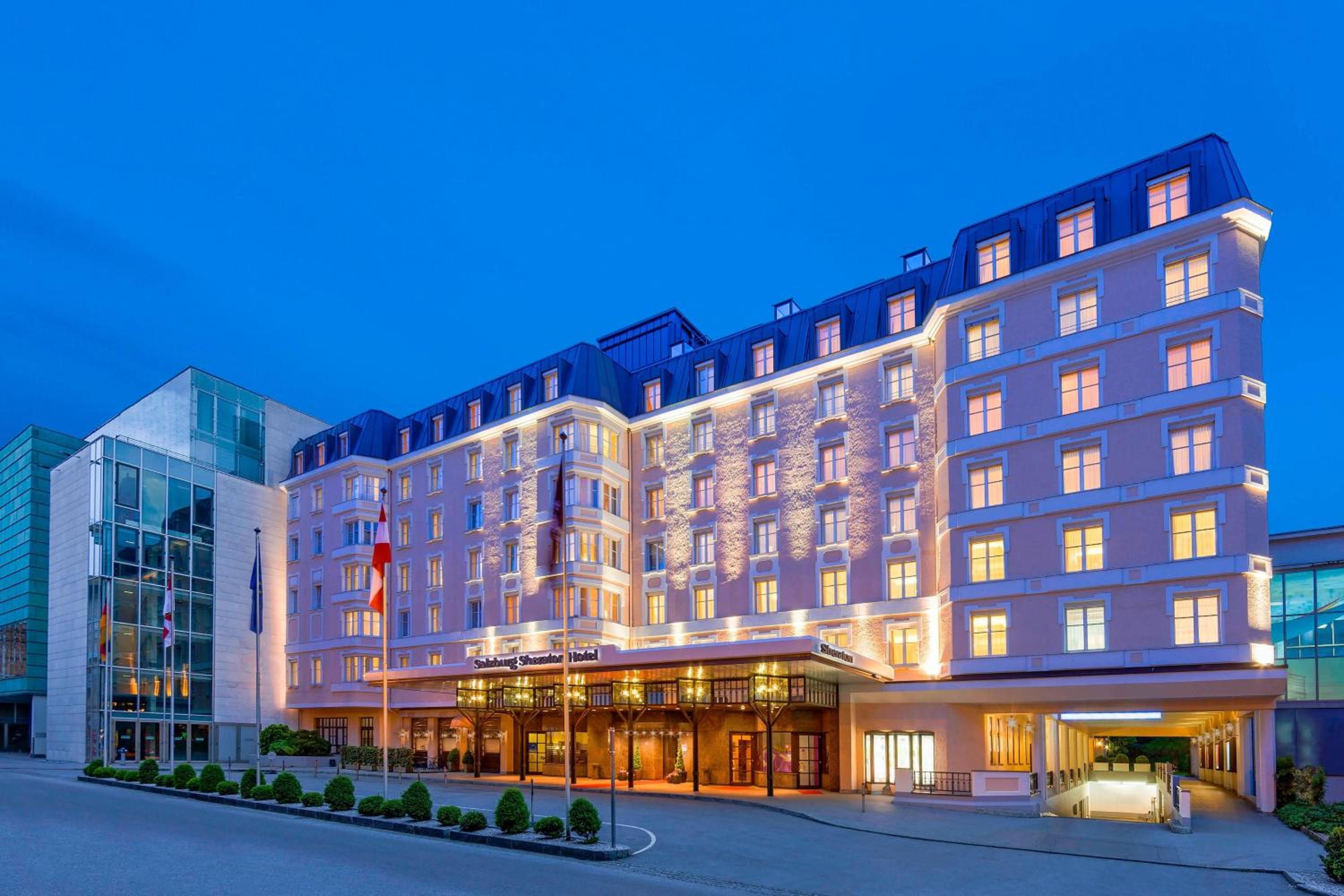
Sheraton Grand Salzburg
Auerspergstrasse 4
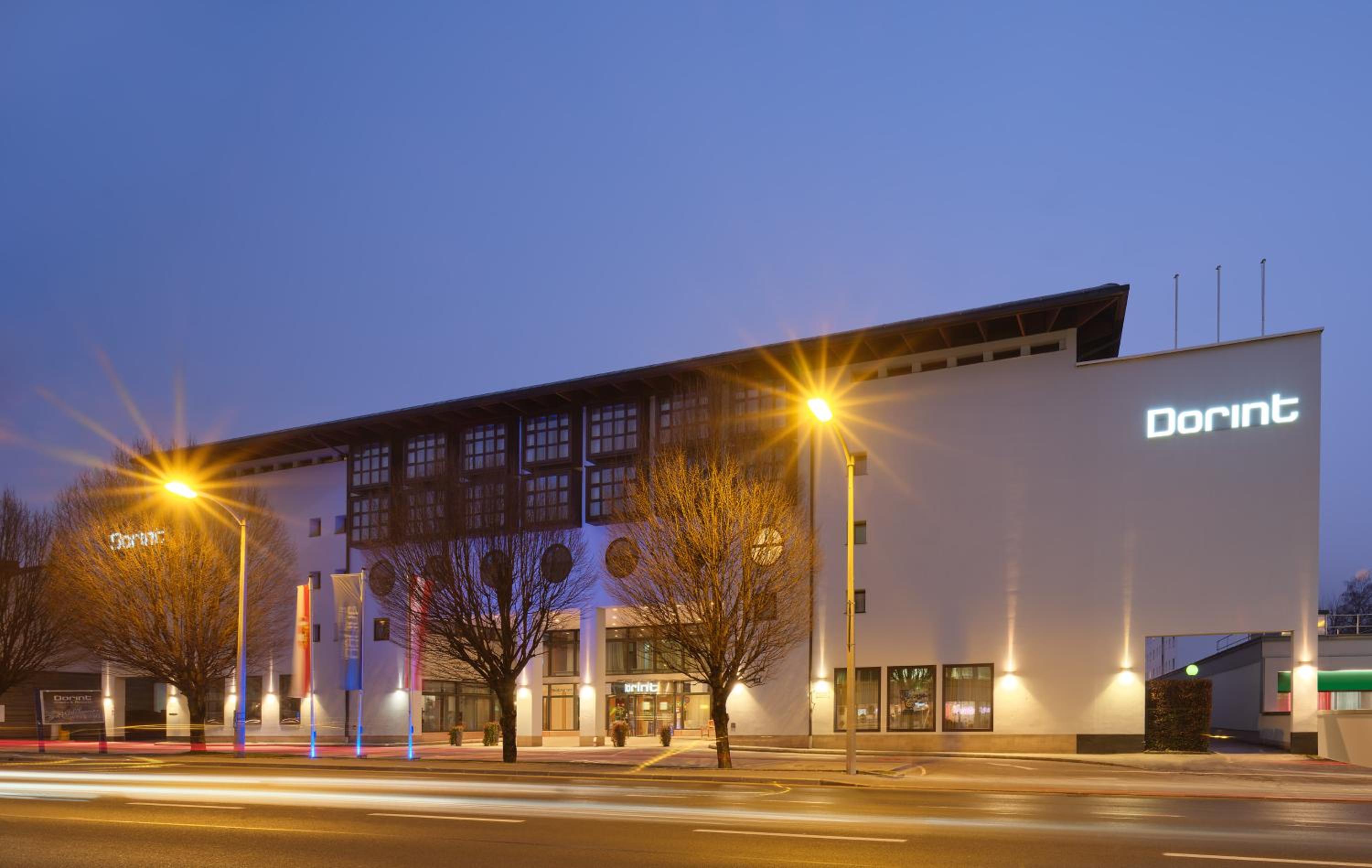
Dorint City-Hotel Salzburg
Sterneckstrasse 20
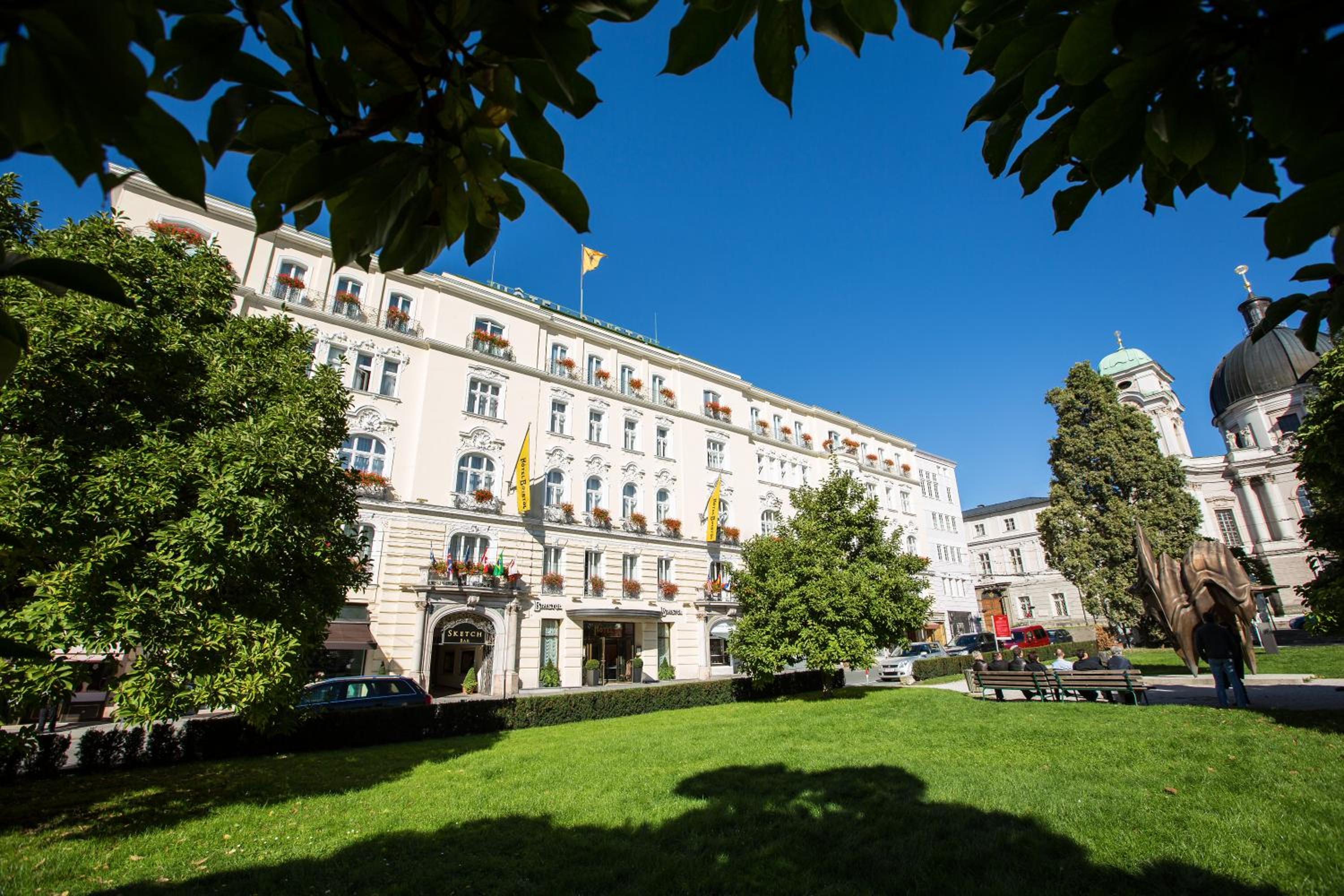
Hotel Bristol Salzburg
Makartplatz 4
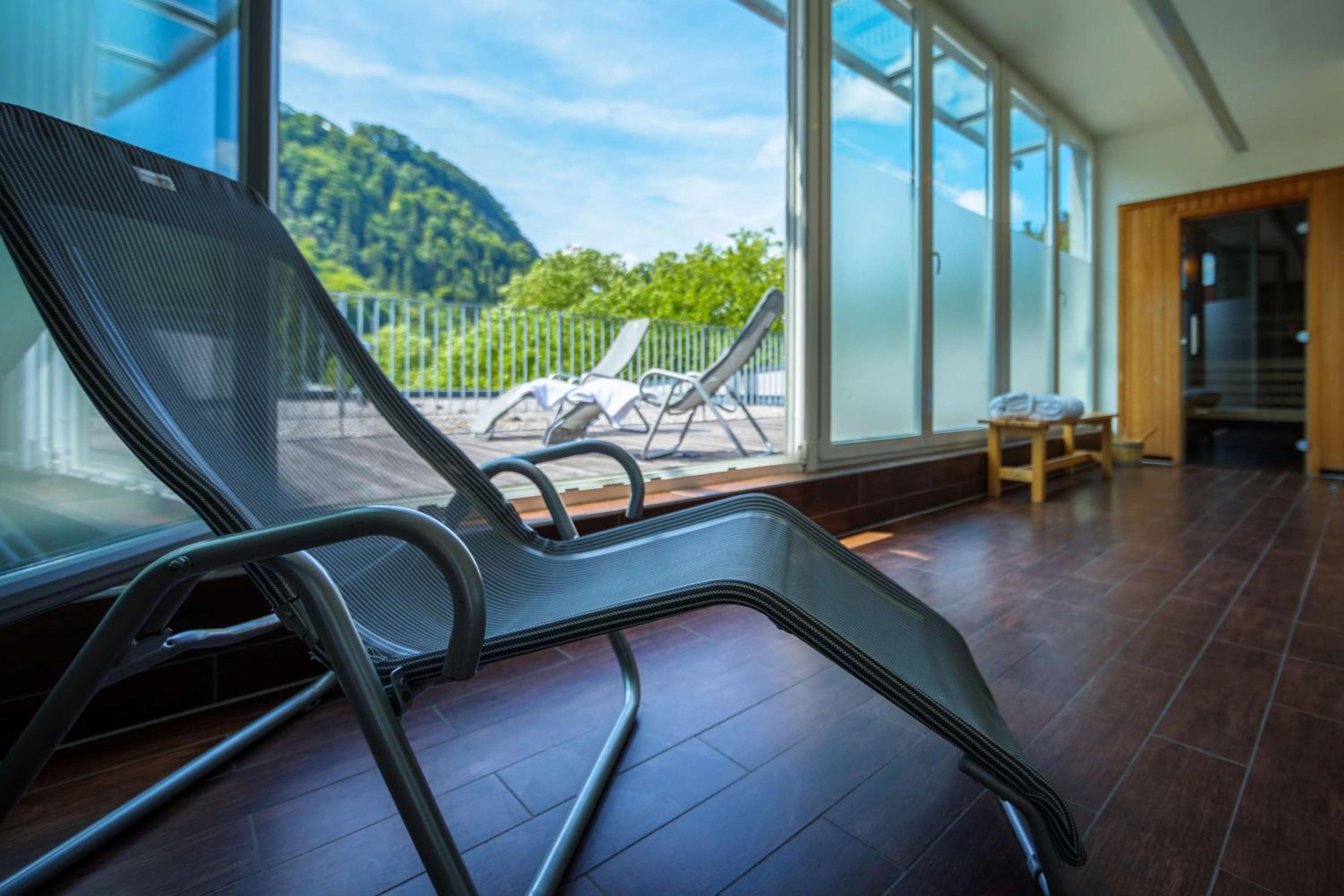
PLAZA Premium Salzburg
Linzer Bundesstrasse 6

Altstadthotel Kasererbräu
Kaigasse 33
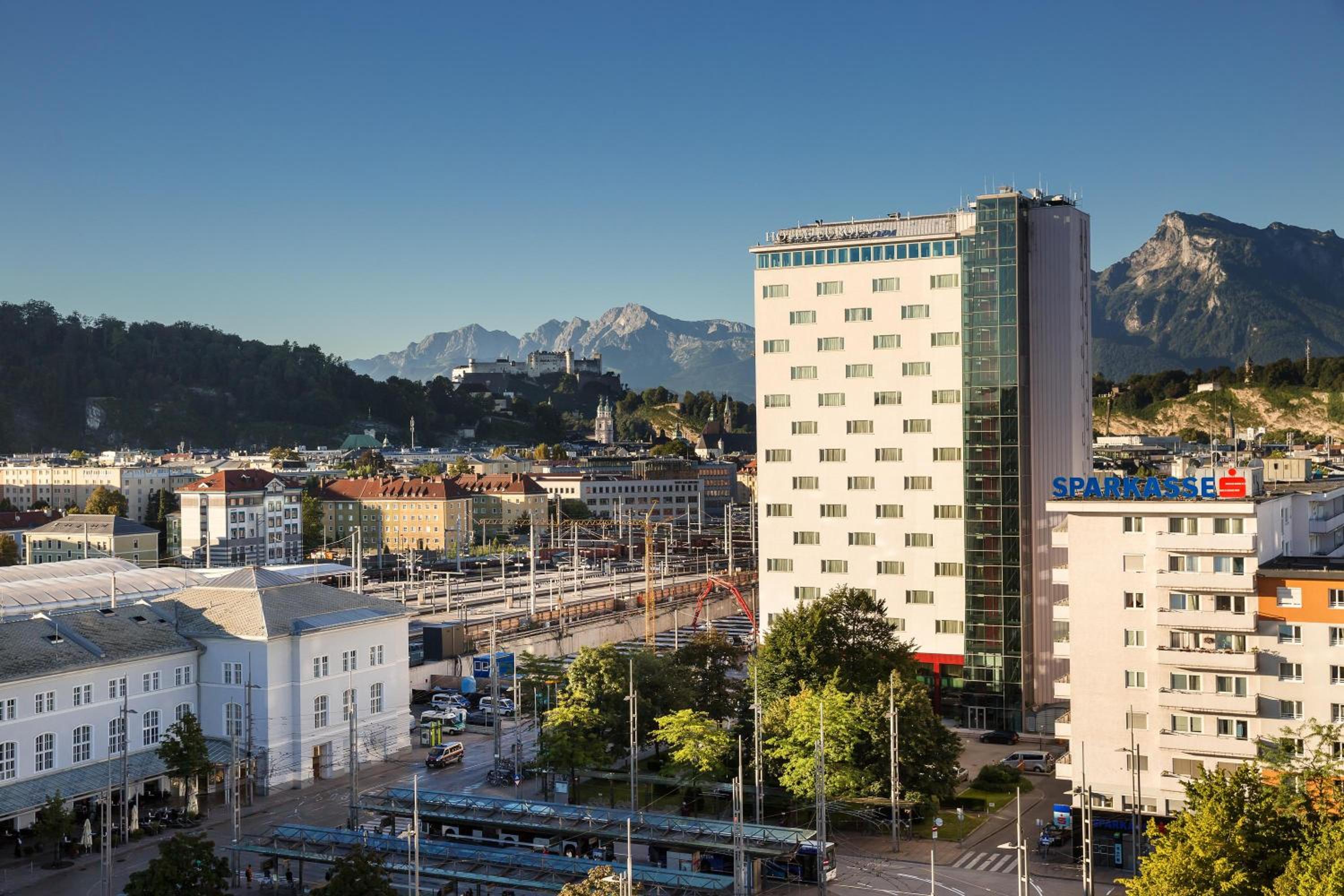
Austria Trend Hotel Europa Salzburg
Rainerstraße 31
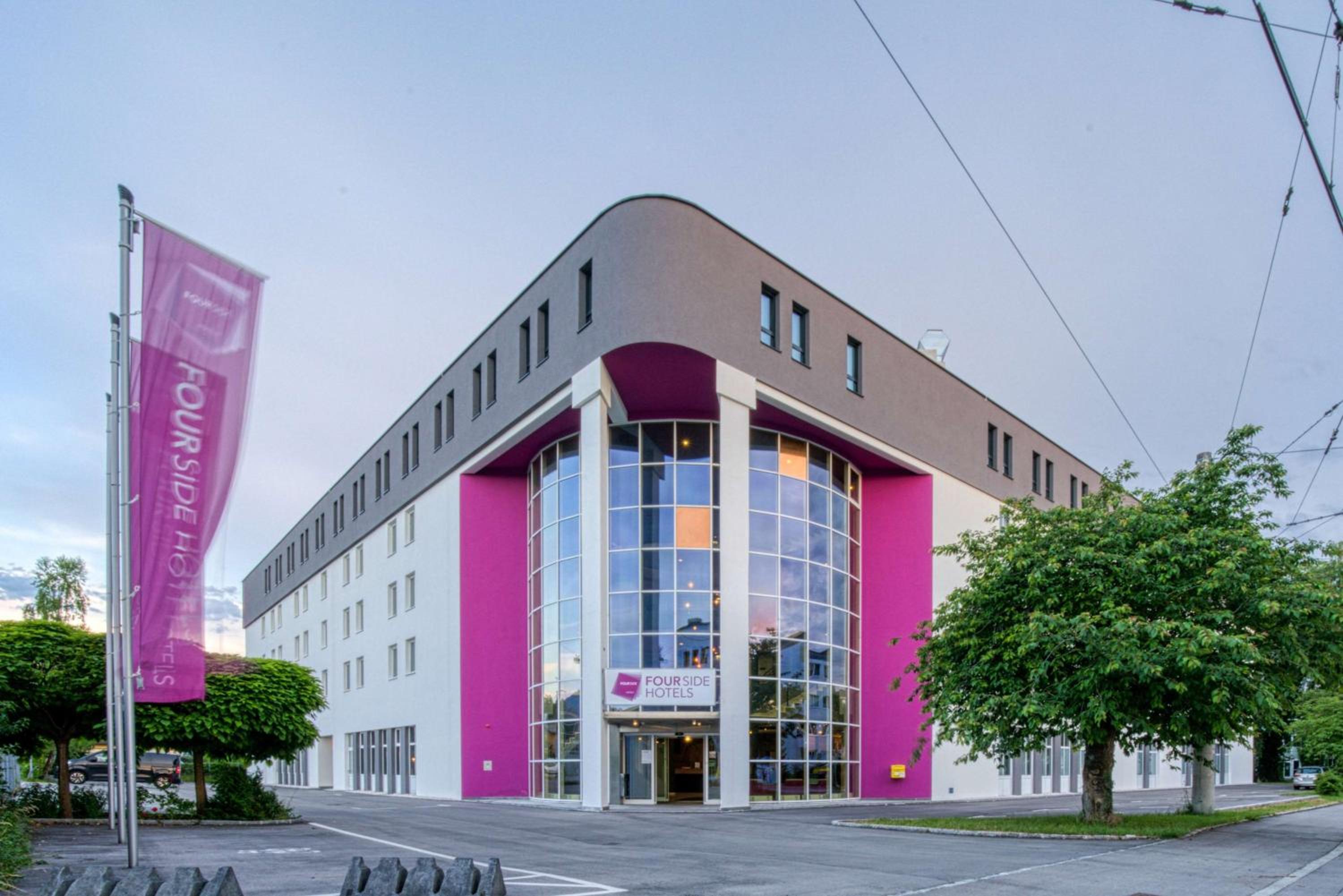
FourSide Hotel Salzburg Messe, Trademark Collection by Wyndham
Am Messezentrum 2
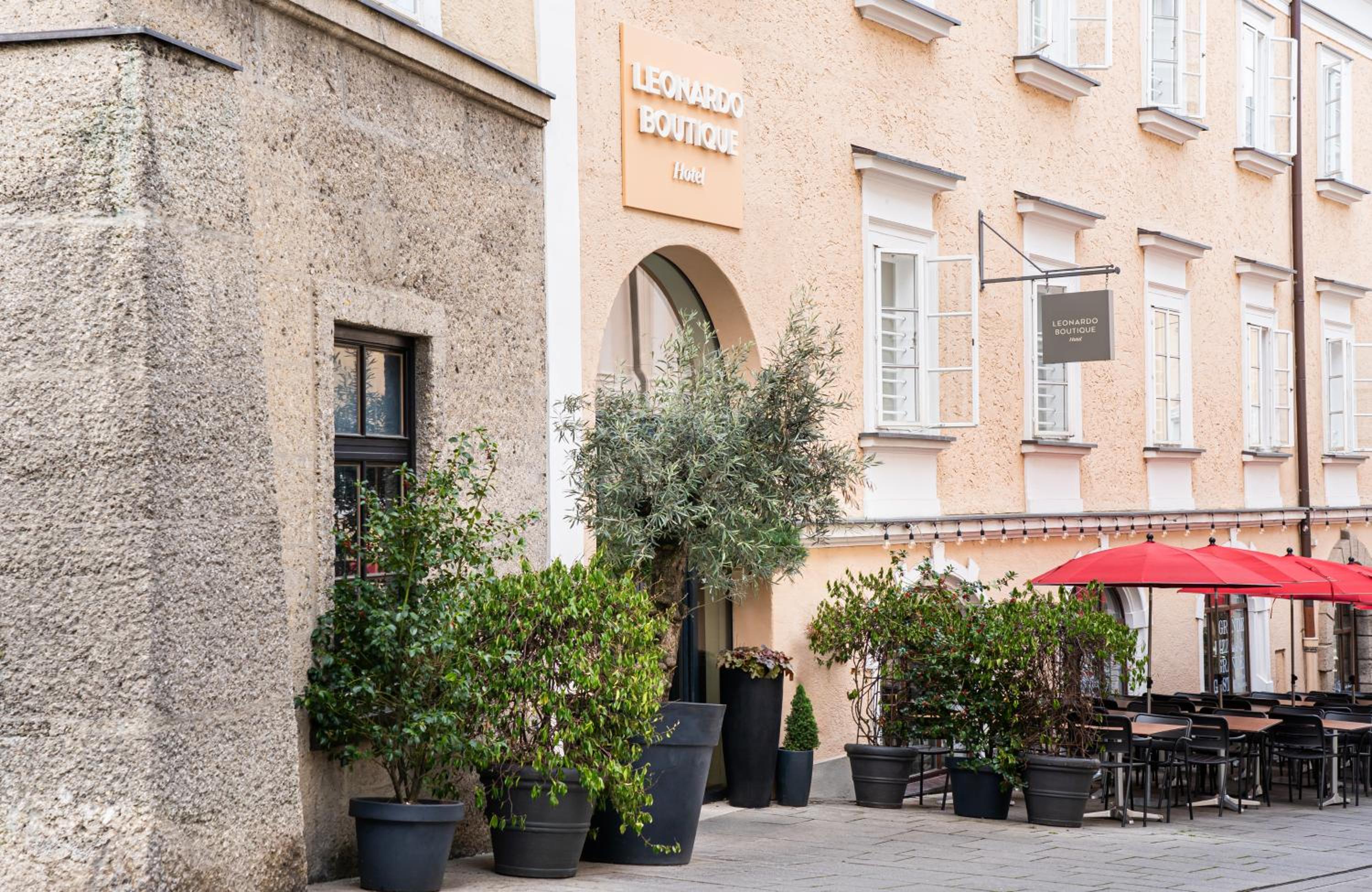
Leonardo Boutique Hotel Salzburg Gablerbräu
Richard-Mayr-Gasse 2
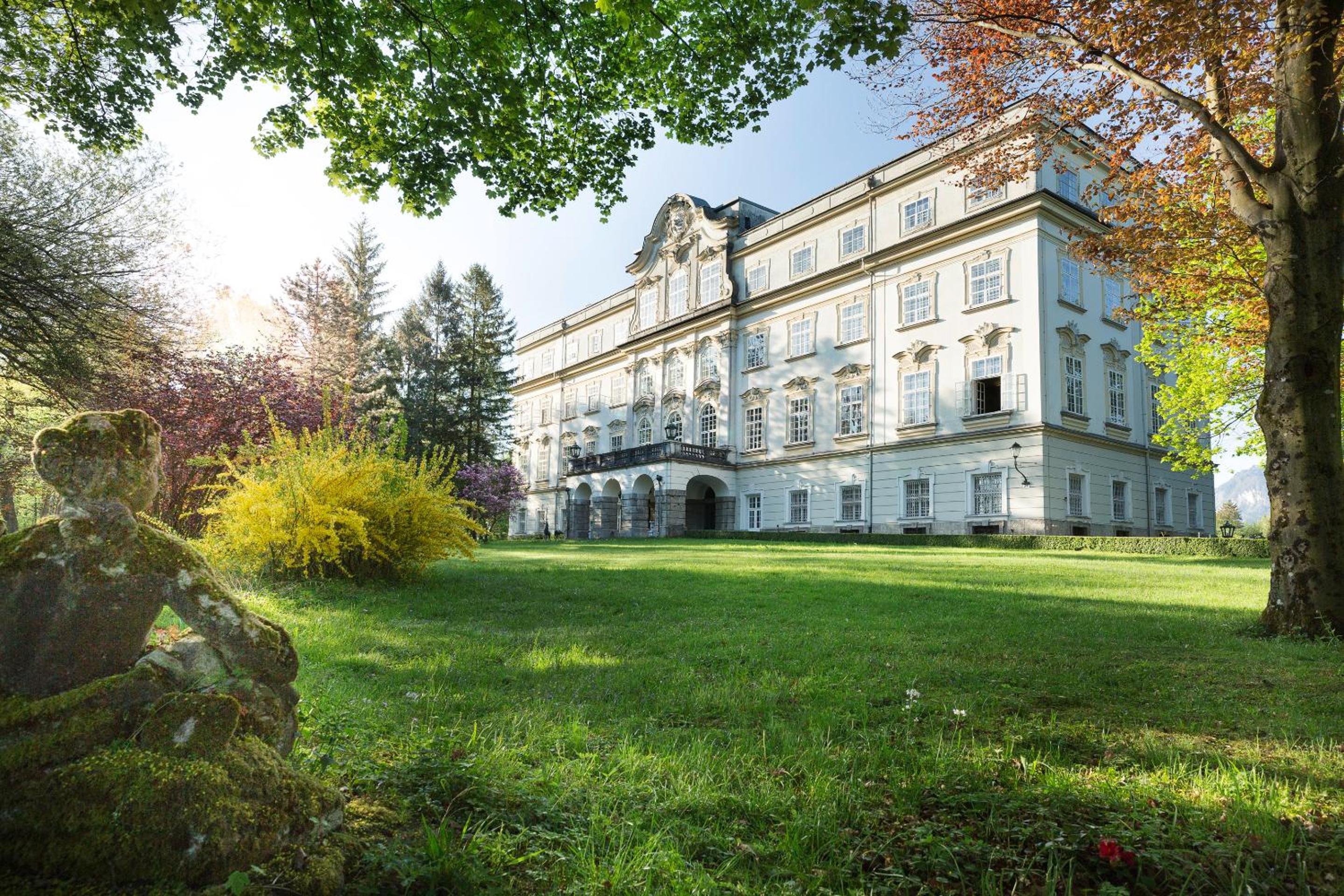
Hotel Schloss Leopoldskron
Leopoldskronstrasse 56-58
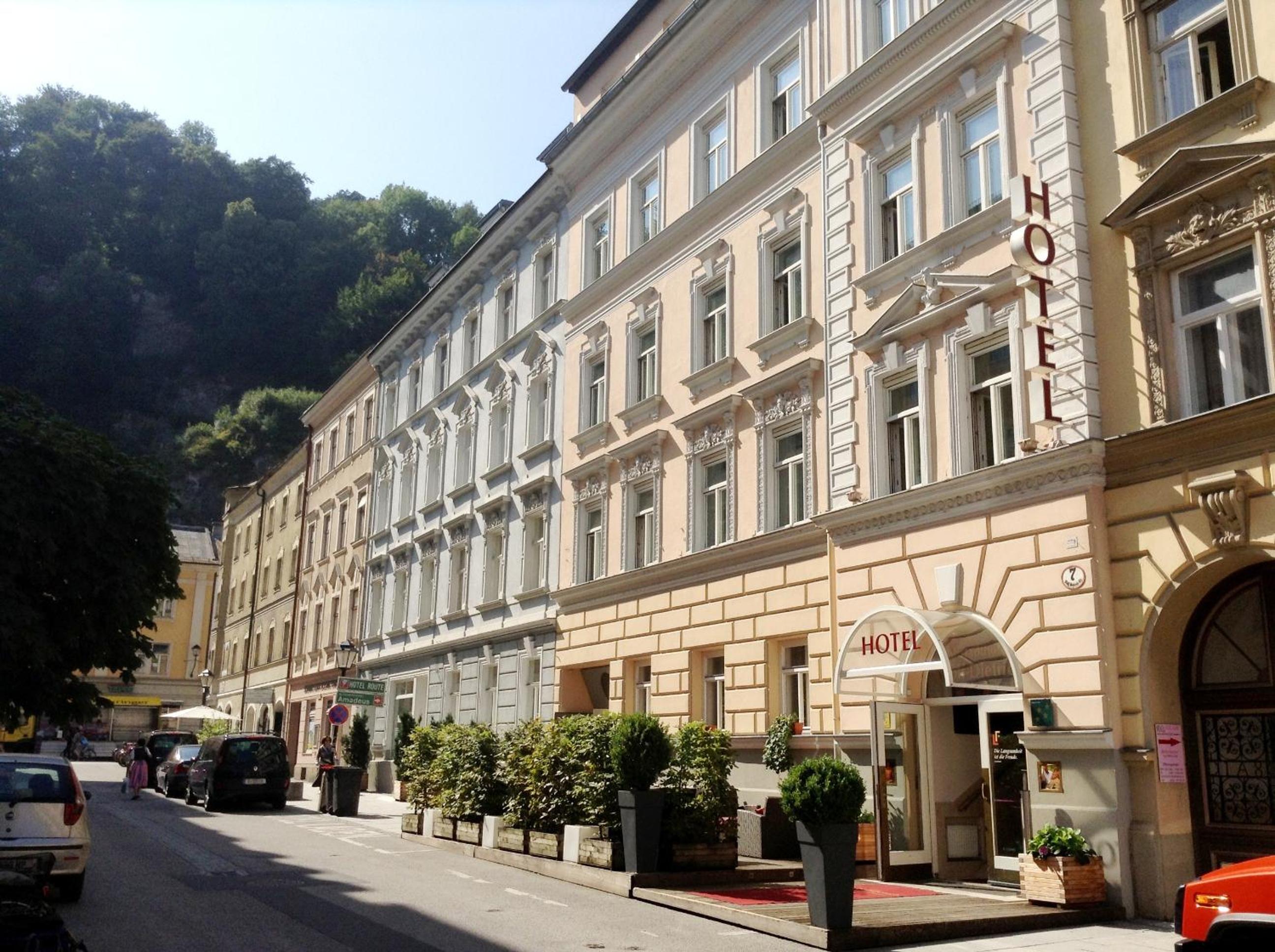
Altstadthotel Wolf-Dietrich
Wolf-Dietrich-Strasse 7
Looking for More Options?
Browse thousands of hotels in Salzburg, Austria with real-time pricing and availability
Browse All HotelsPowered by our hotel partners
Recommended Restaurants


Schlosswirt zu Anif - Biedermeier-Hotel & Restaurant | Tagungshotel & Hochzeitsfeiern
Interesting Facts
Fact 1 - Hellbrunn Palace's Trick Fountains, built in the early 17th century, were designed to surprise and drench unsuspecting guests of the Archbishop, featuring hidden jets in tables, grottoes, and even a mechanical theatre powered entirely by water.
Fact 2 - Salzburg's immense wealth wasn't primarily from tourism or music; its very name, "Salt Castle," comes from the highly lucrative salt mines in the surrounding mountains, which financed the city's opulent Baroque architecture and powerful archbishops for centuries.
Fact 3 - St. Peter Stiftskulinarium, nestled within the walls of St. Peter's Abbey, claims the title of the oldest restaurant in Central Europe, with its first documented mention dating back to 803 AD by the scholar Alcuin, a contemporary of Charlemagne.
Fact 4 - Salzburg boasts over 30 churches and numerous elaborate fountains within its historic Altstadt (Old Town), earning it the moniker "Rome of the North" due to its rich Baroque architecture and spiritual significance, a surprisingly high density for a city of its size.
Fact 5 - During the Advent season, Salzburg comes alive with "Krampusläufe" (Krampus Runs), where frightening, fur-clad, horned figures with bells and chains parade through the streets, a wild Alpine pagan tradition meant to drive away evil spirits, contrasting sharply with the city's picturesque Christmas markets.
Fact 6 - The Hohensalzburg Fortress, one of the largest fully preserved medieval castles in Europe, has remarkably never been conquered by foreign troops, despite its imposing size and strategic location high above the city.
Fact 7 - Despite being one of Austria's most famous exports, "The Sound of Music" holds a paradoxical status in Salzburg; while it draws millions of tourists annually for dedicated tours, many locals have never seen the film and prefer to focus on the city's classical music heritage.
Fact 8 - The original "Mozartkugel" (Mozart Ball) chocolate, a pistachio marzipan and nougat covered in dark chocolate, was invented in Salzburg in 1890. Its distinct red-gold foil is trademarked by Fürst, the original creator, while other companies produce similar "Mirabell Mozartkugel" in blue-silver foil, leading to a unique chocolate rivalry.