
Zermatt, Switzerland
Overview
Nestled in the shadow of the iconic Matterhorn, Zermatt offers a unique blend of breathtaking alpine scenery and charming Swiss culture. Explore car-free streets, indulge in world-class skiing, and experience the magic of a truly unforgettable mountain village.
Best Time to Travel
Best Months
July to September (for summer activities like hiking, mountaineering, and sightseeing) and December to April (for winter sports like skiing and snowboarding)
During summer (July-September), expect pleasant, often sunny days with average temperatures in the village ranging from 10-20°C, cooler at higher altitudes. Winter (December-April) brings cold, snowy conditions, ideal for winter sports, with temperatures typically below freezing (around -5°C to 5°C) and regular fresh snowfall.
Months to Avoid
May to early June and late October to November. These are shoulder seasons with unpredictable weather, melting snow in spring (limiting both skiing and hiking), or early snow/cold in autumn. Many lifts and businesses may operate on reduced schedules or close for maintenance during these periods.
Consider visiting during other months
Peak Season
July and August (summer peak) and late December to March (winter peak, especially around Christmas/New Year and school holidays)
Expect larger crowds and higher prices
Top Things to Do

Ganterbrücke

Massaschlucht / Massaweg

Santuario di Oropa

Cervino Spa

Les Bains de Saillon

Valais Art Museum

Crans-Montana

Zegna Panoramic

Museo Archeologico Regionale

Issogne Castle

School Swiss Of Ski And Snowboard Anzère

SiSu Familien Park

Kinhütte

Naturpark Pfyn-Finges

Ecomuseum Alter Gasthof

Felsenkirche St. Michael

Alagna Walser Museum

Museum at the Castle

Pfarrkirche St. Mauritius

Bronze Alphorn

Hotel Bristol

Le Bristol Leukerbad

Boutique Hotel Matthiol

la couronne Hotel & Spa

Hotel Excelsior Planet

Hotel La Rocca Sport & Benessere

Grichting Hotel & Serviced Apartments
Recommended Hotels
Search All Hotels
BEAUSiTE Zermatt
Brunnmattgasse 9
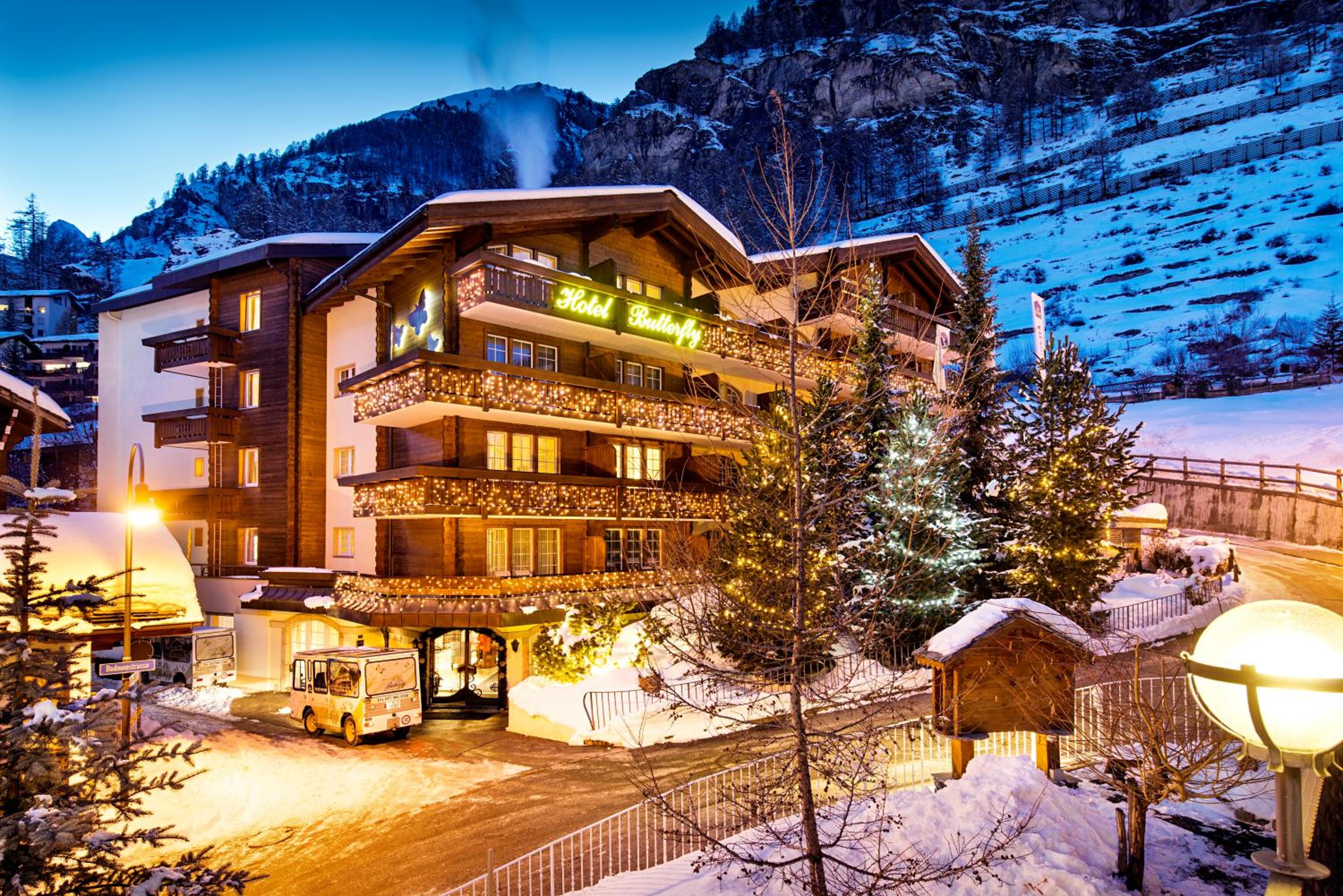
Hotel Butterfly
Bodmenstrasse 21
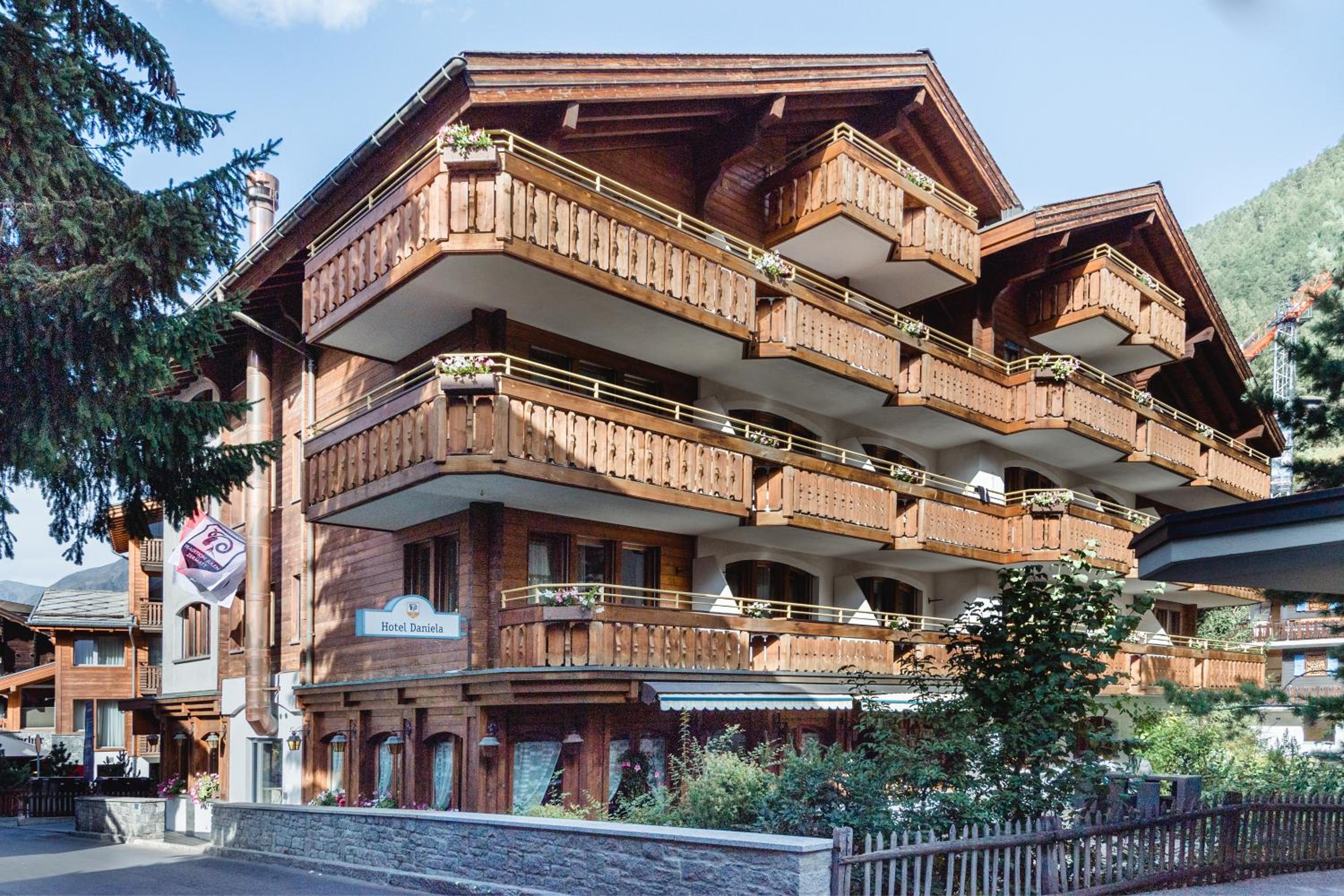
Hotel Daniela
Steinmattstrasse 39
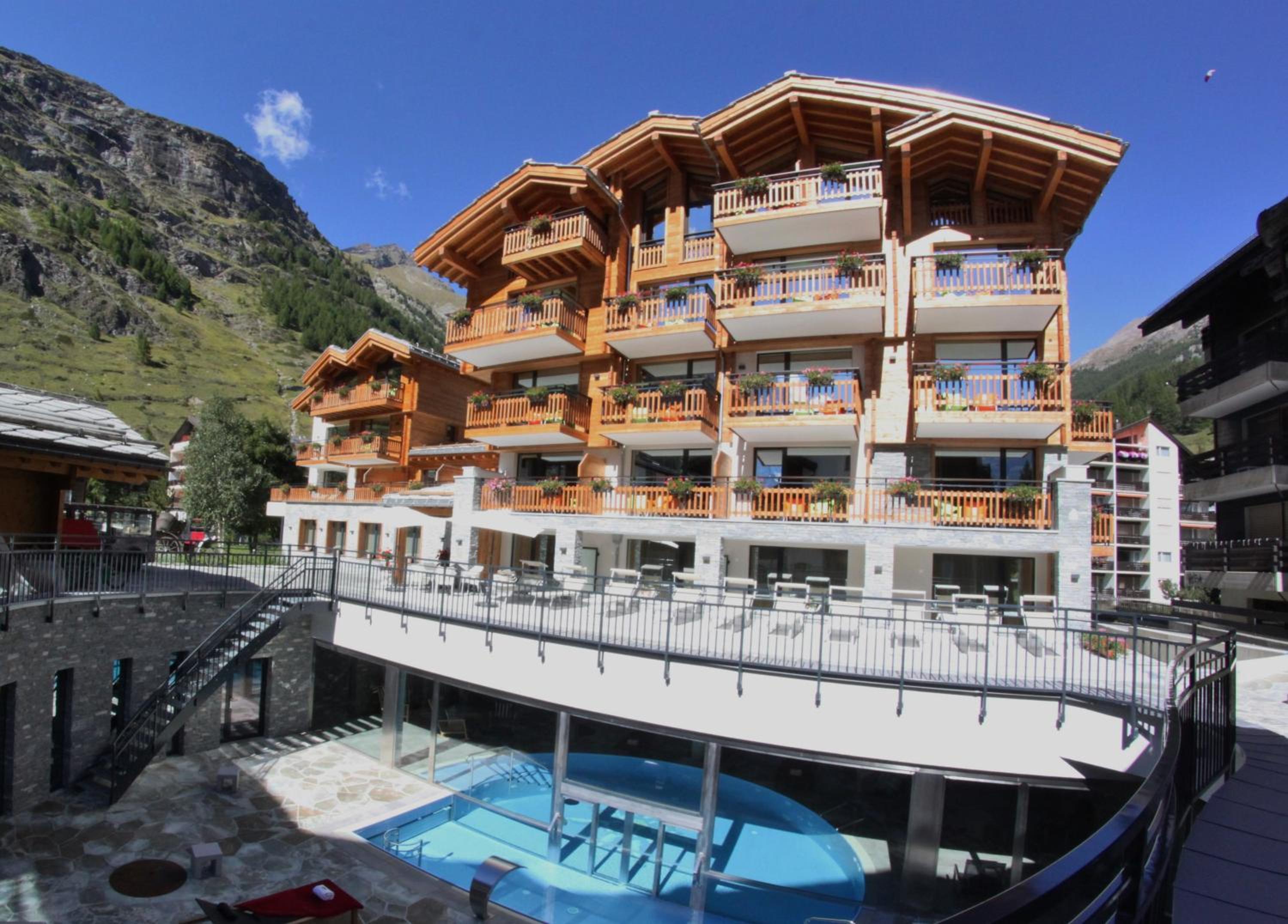
Alpenhotel Fleurs de Zermatt
Unterer Mattenweg 41

Alpenblick
Oberdorfstrasse 106
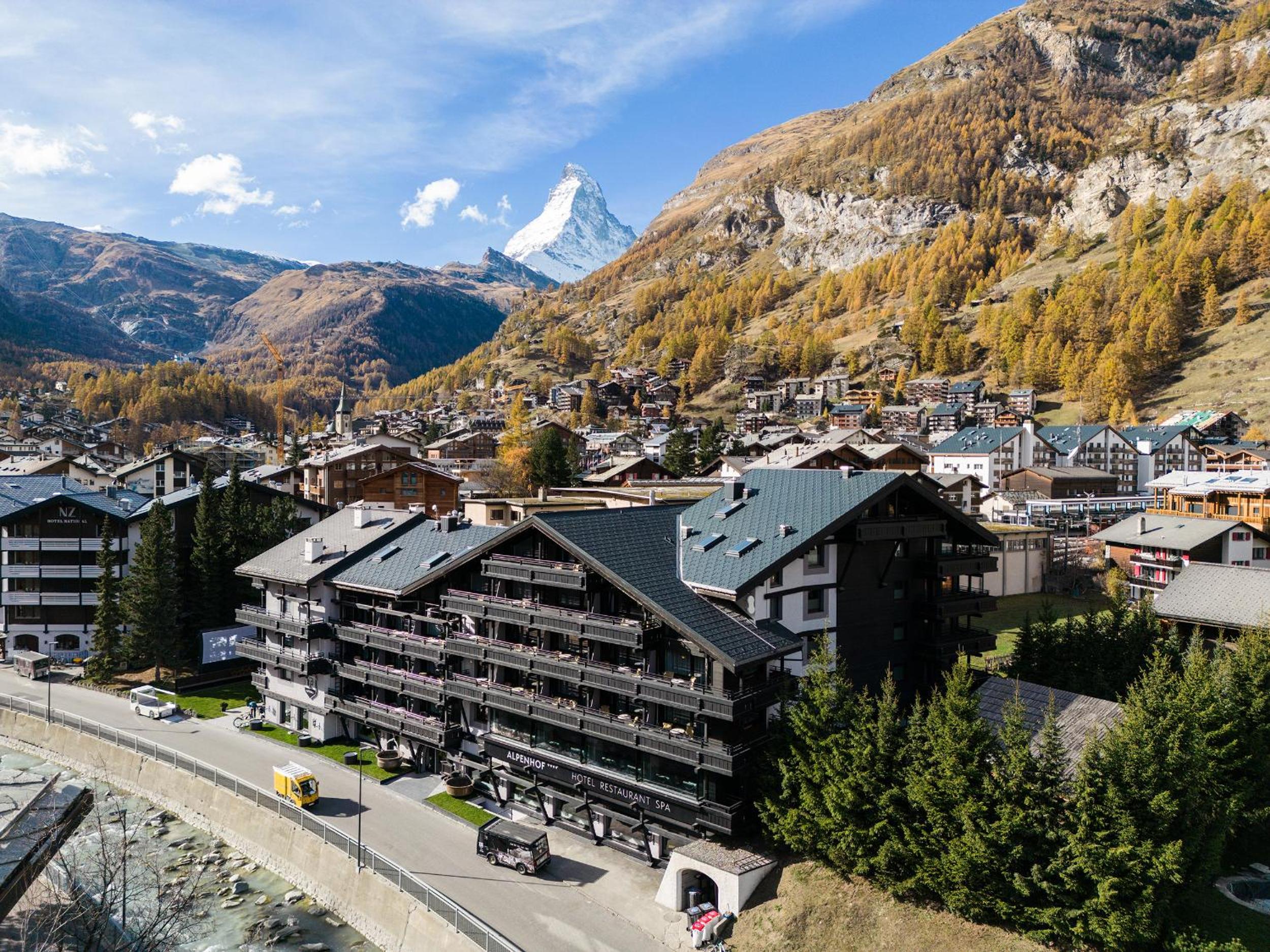
Wellness Hotel Alpenhof
Matterstrasse 43
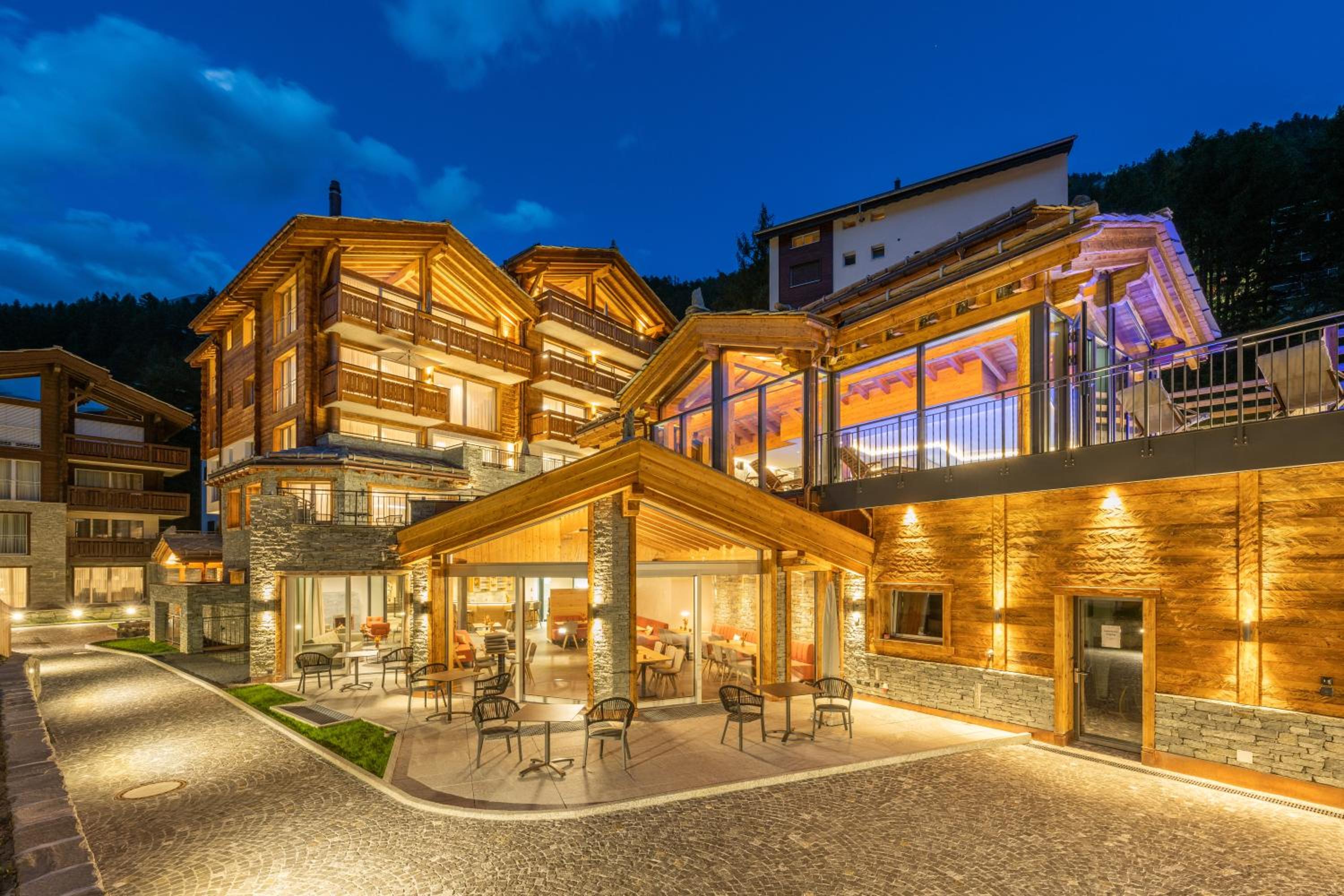
Luxury Residence Colosseo Zermatt
122 Wiestistrasse
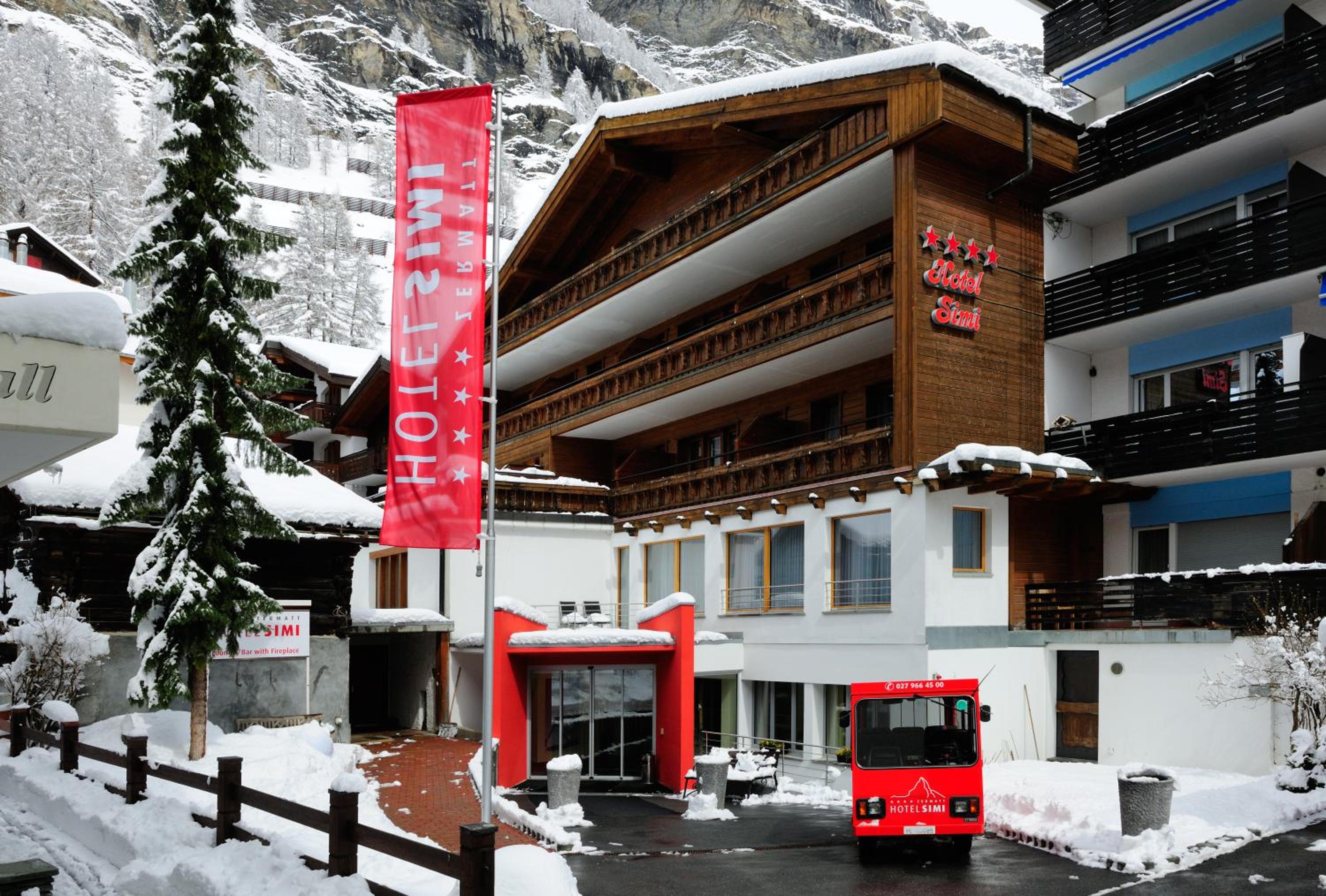
Hotel Simi
Brantschenhaus 20
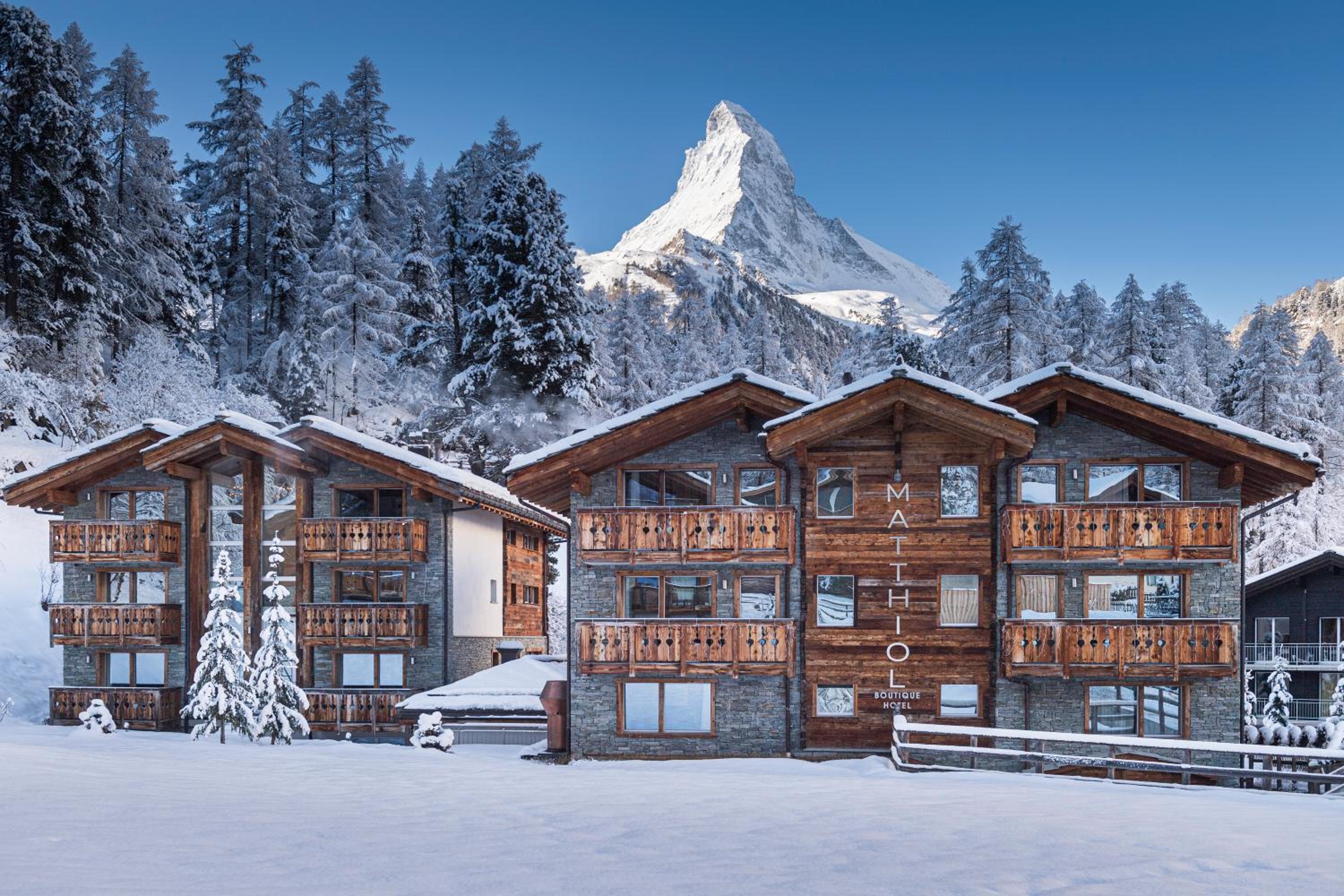
Matthiol Boutique Hotel
Moosstrasse 40
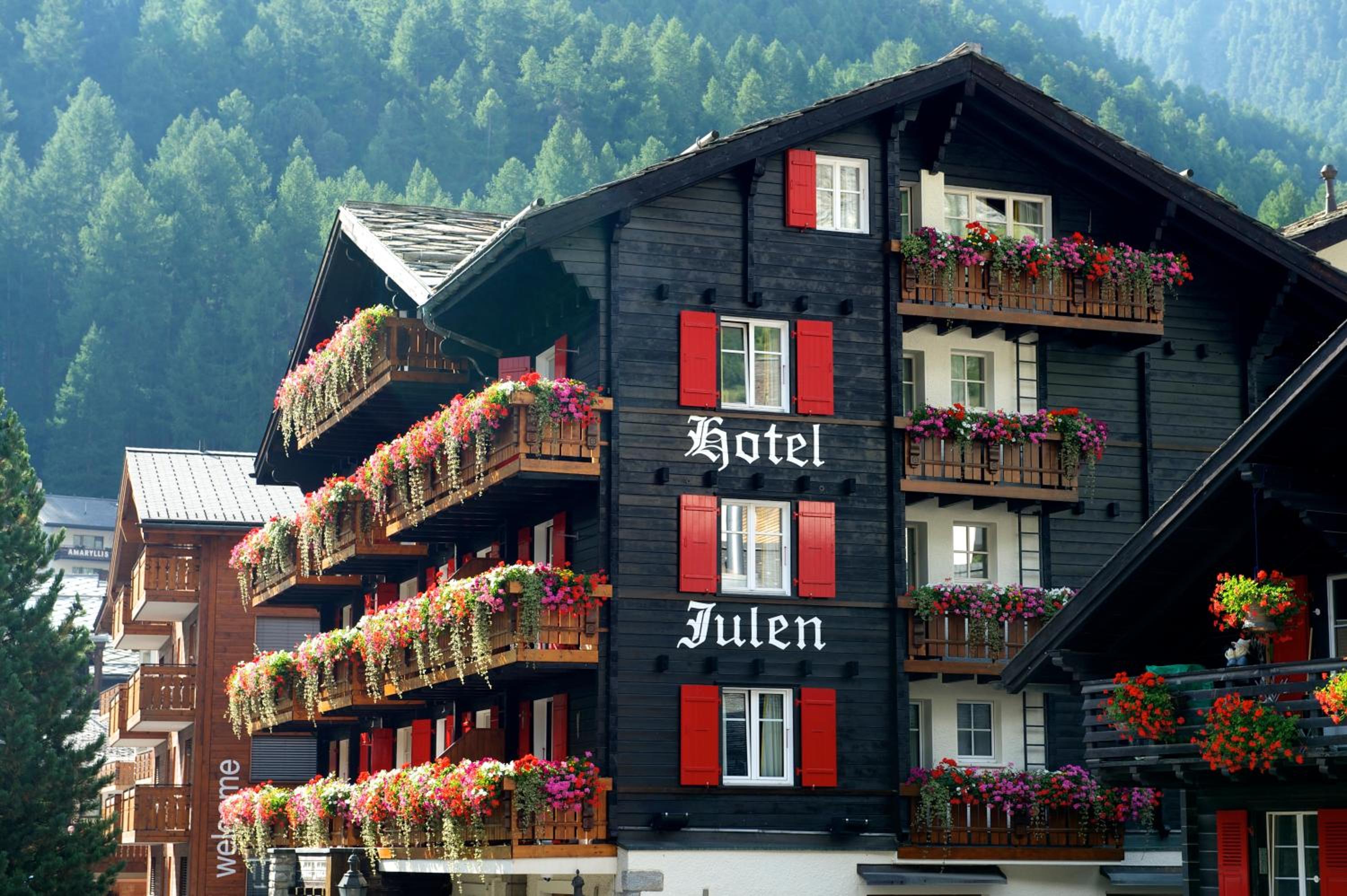
Tradition Julen Hotel
Riedstrasse 2
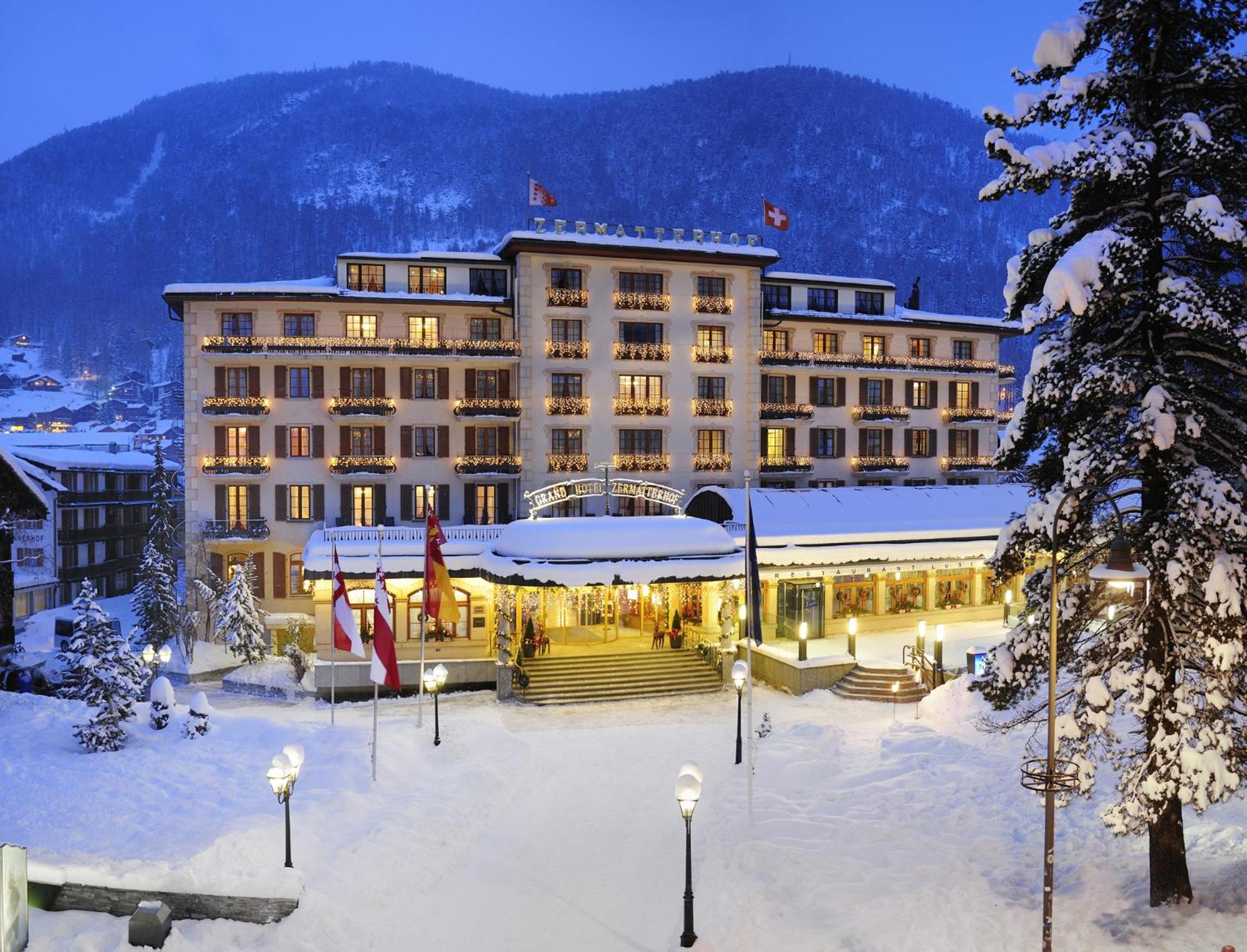
Grand Hotel Zermatterhof
Bahnhofstrasse 55

Hotel Bellerive
Riedstrasse 3
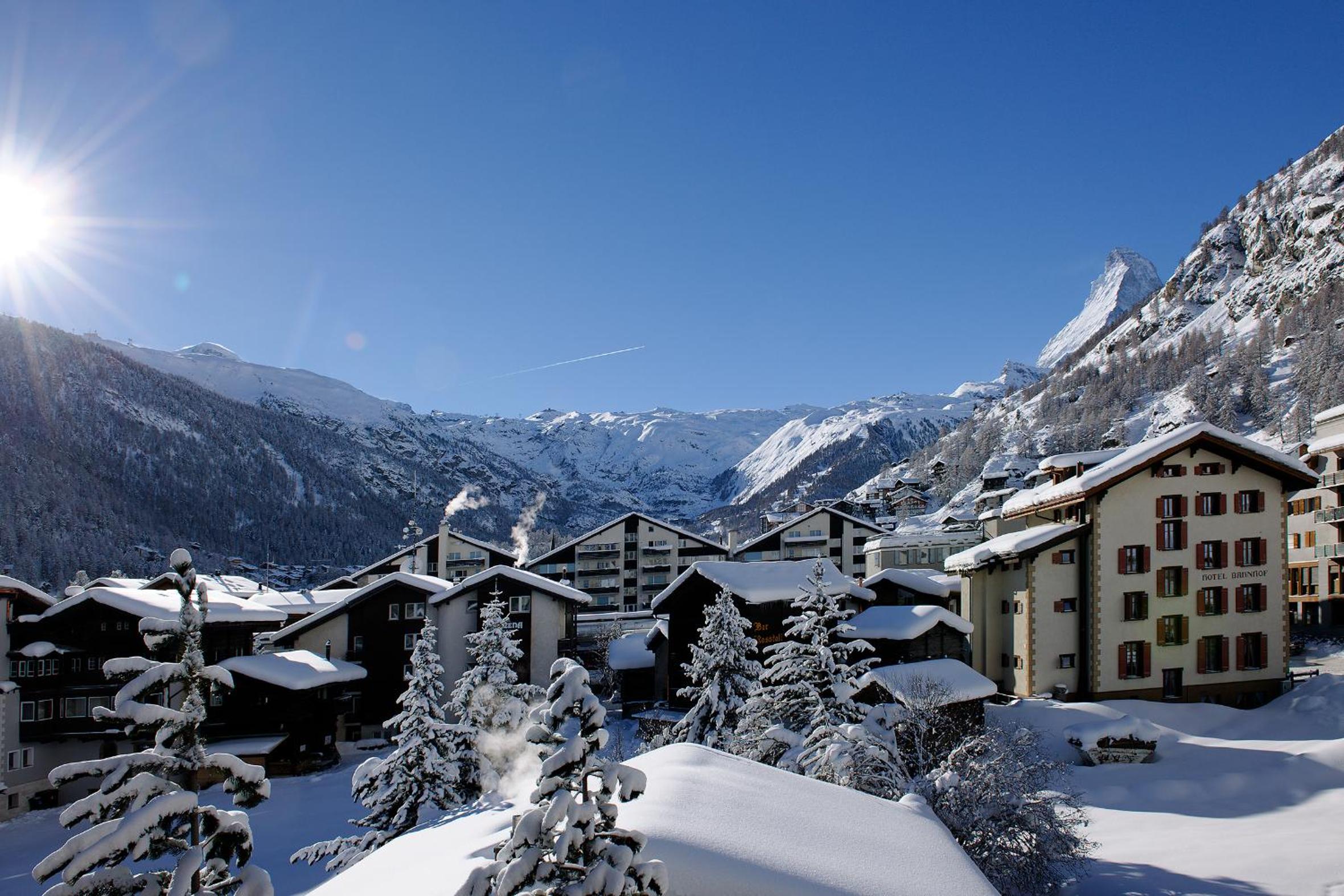
Hotel Ambassador Zermatt
Spissstrasse 10
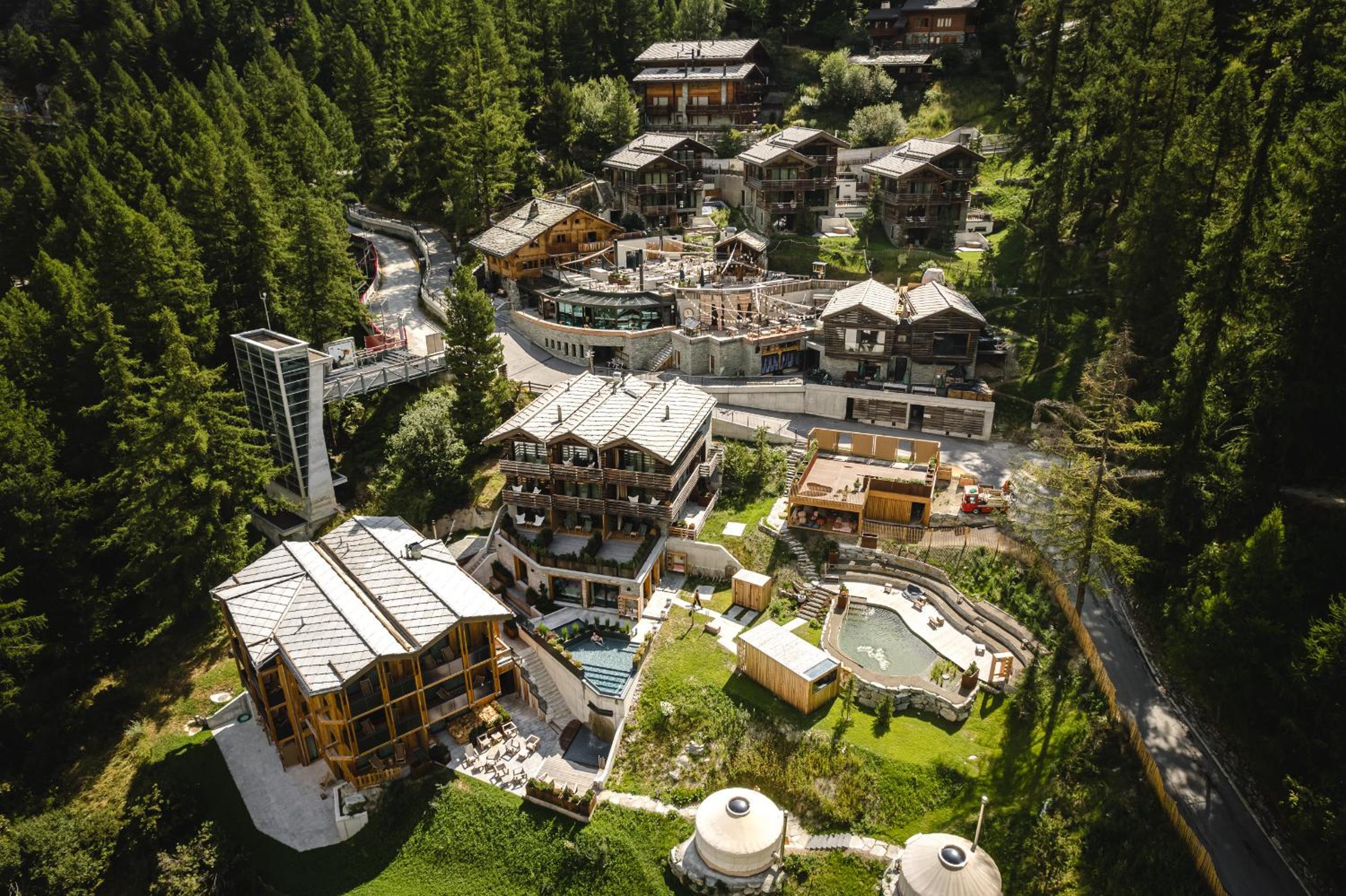
CERVO Mountain Resort
Riedweg 156
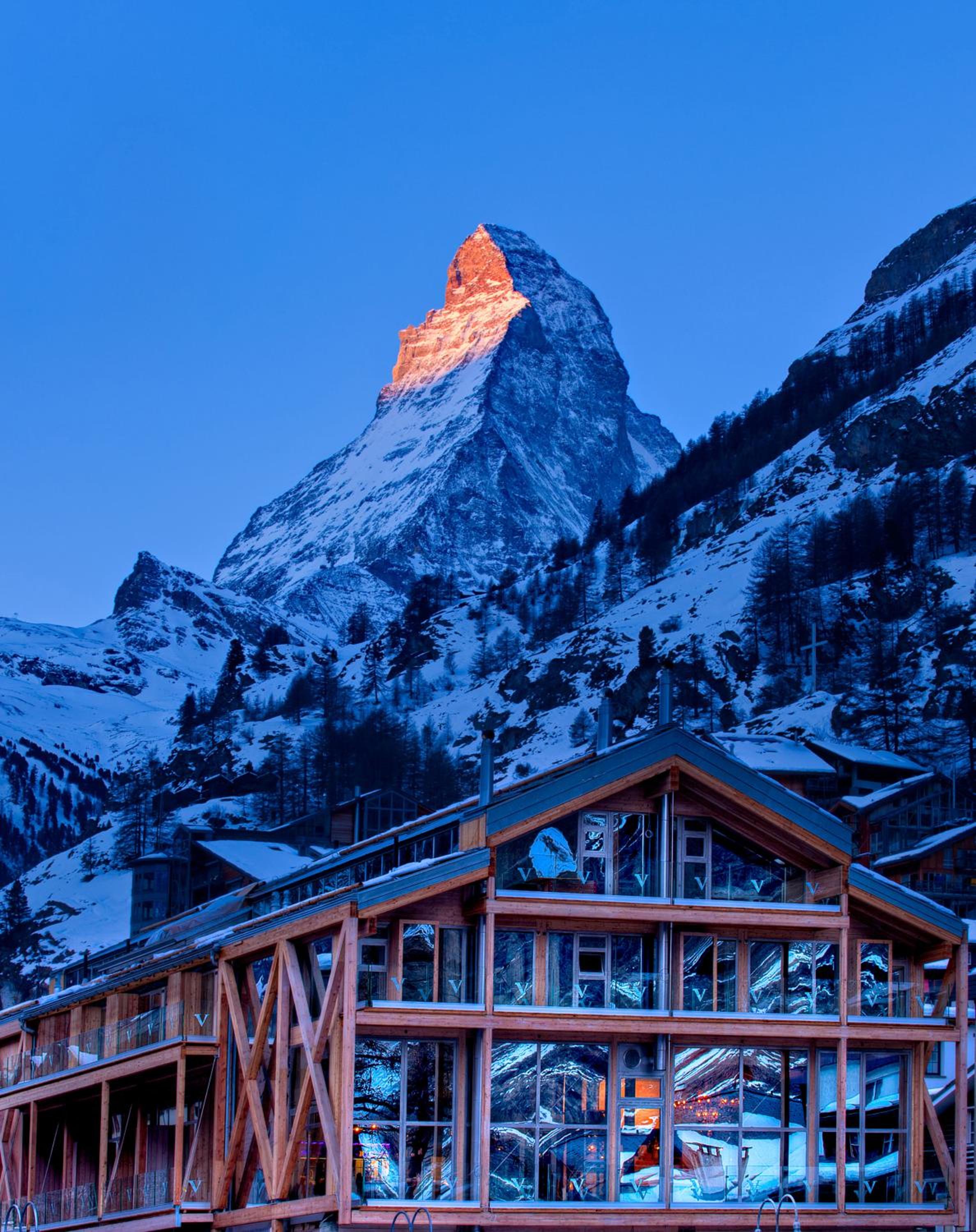
Backstage Boutique SPA Hotel
Hofmattstrasse 4
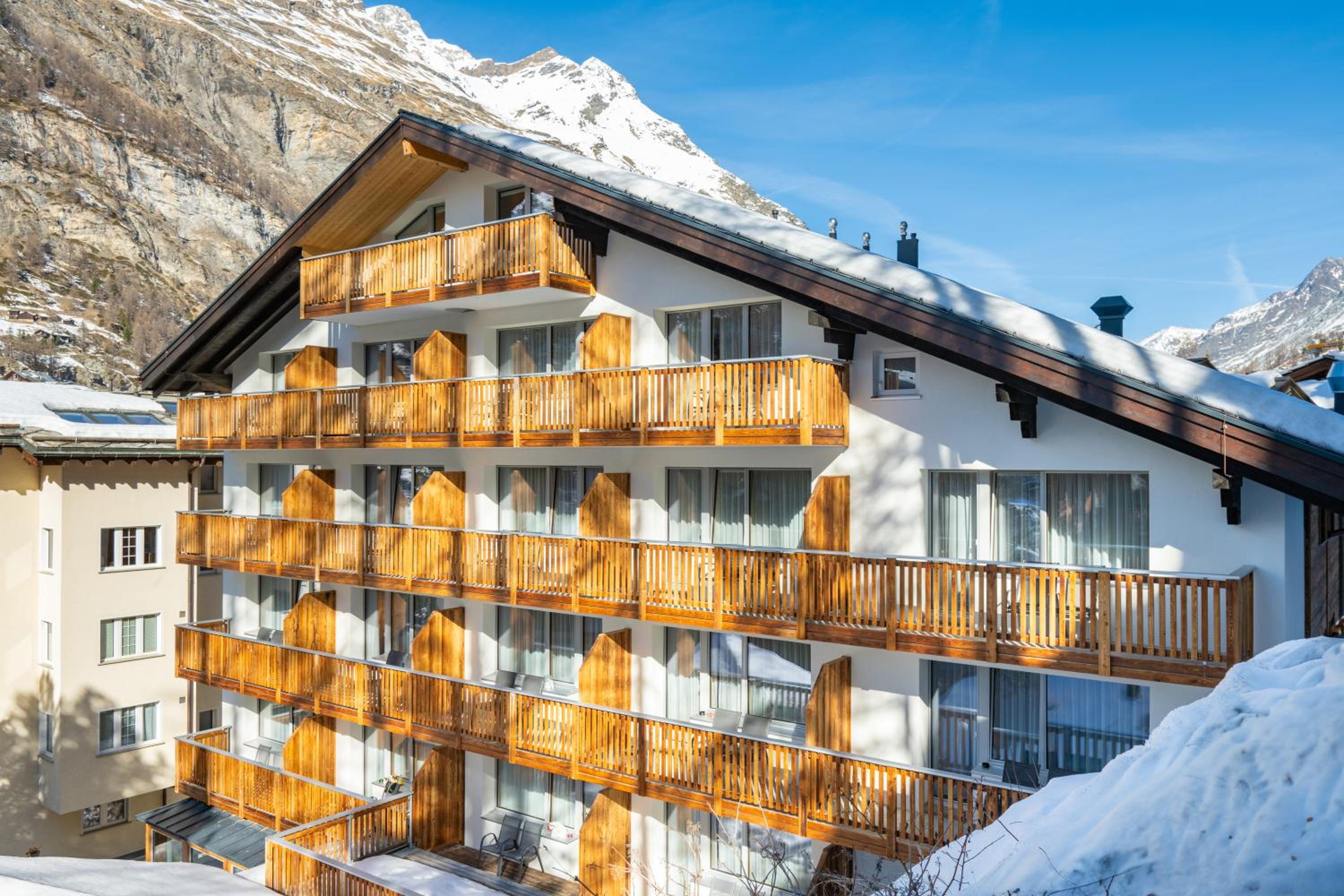
Jägerhof Serviced Apartements
Steinmattstrasse 85
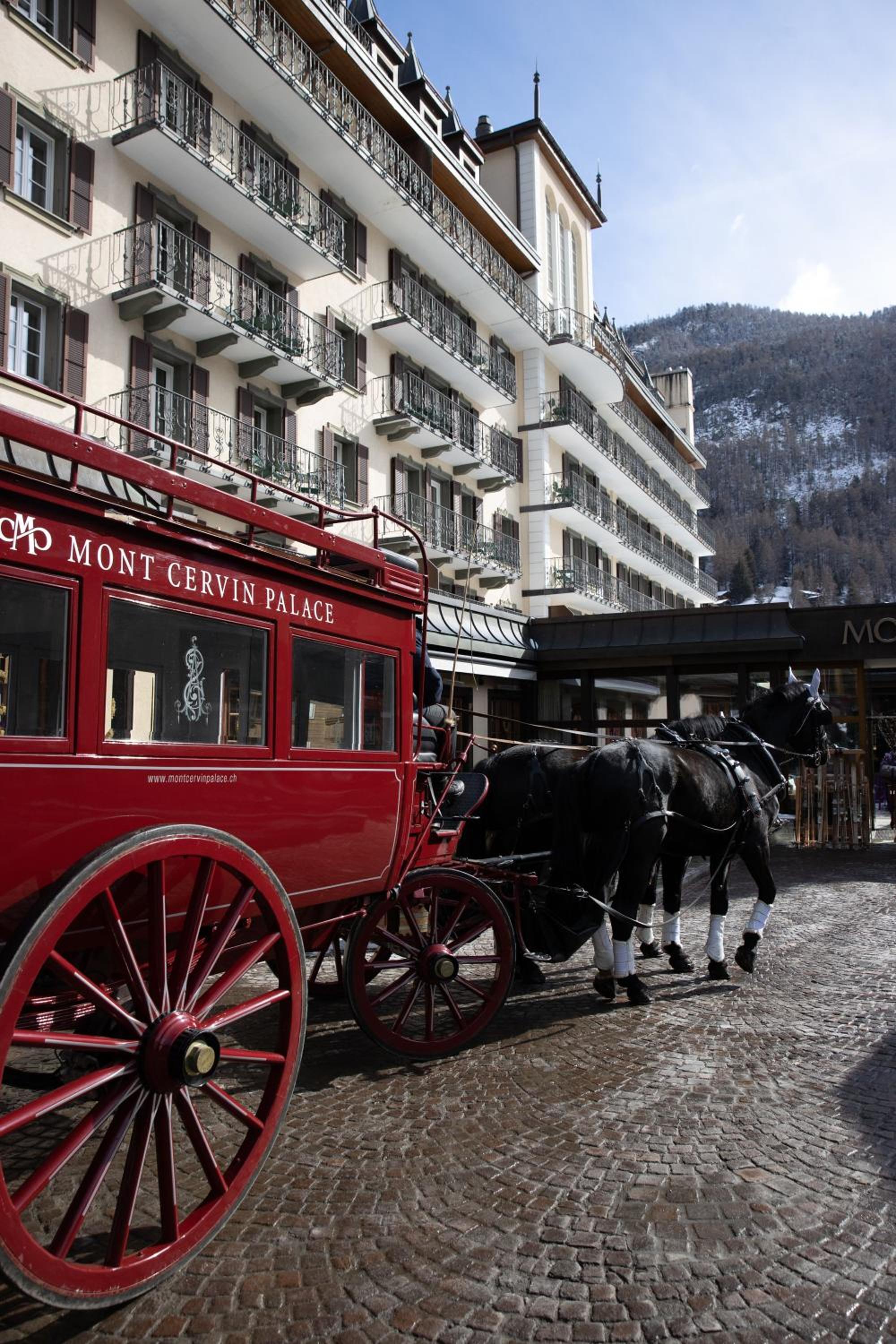
Mont Cervin Palace
Bahnhofstrasse 31
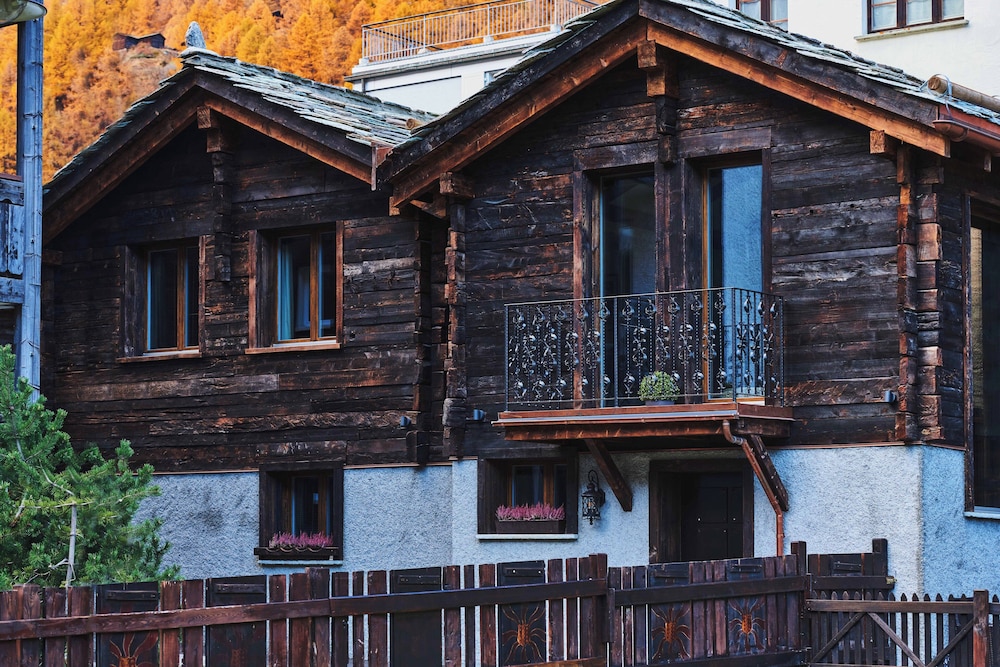
SCHLOSS Zermatt - CBD & Adaptogenic Spa and Sport Hotel
Bahnhofplatz 18
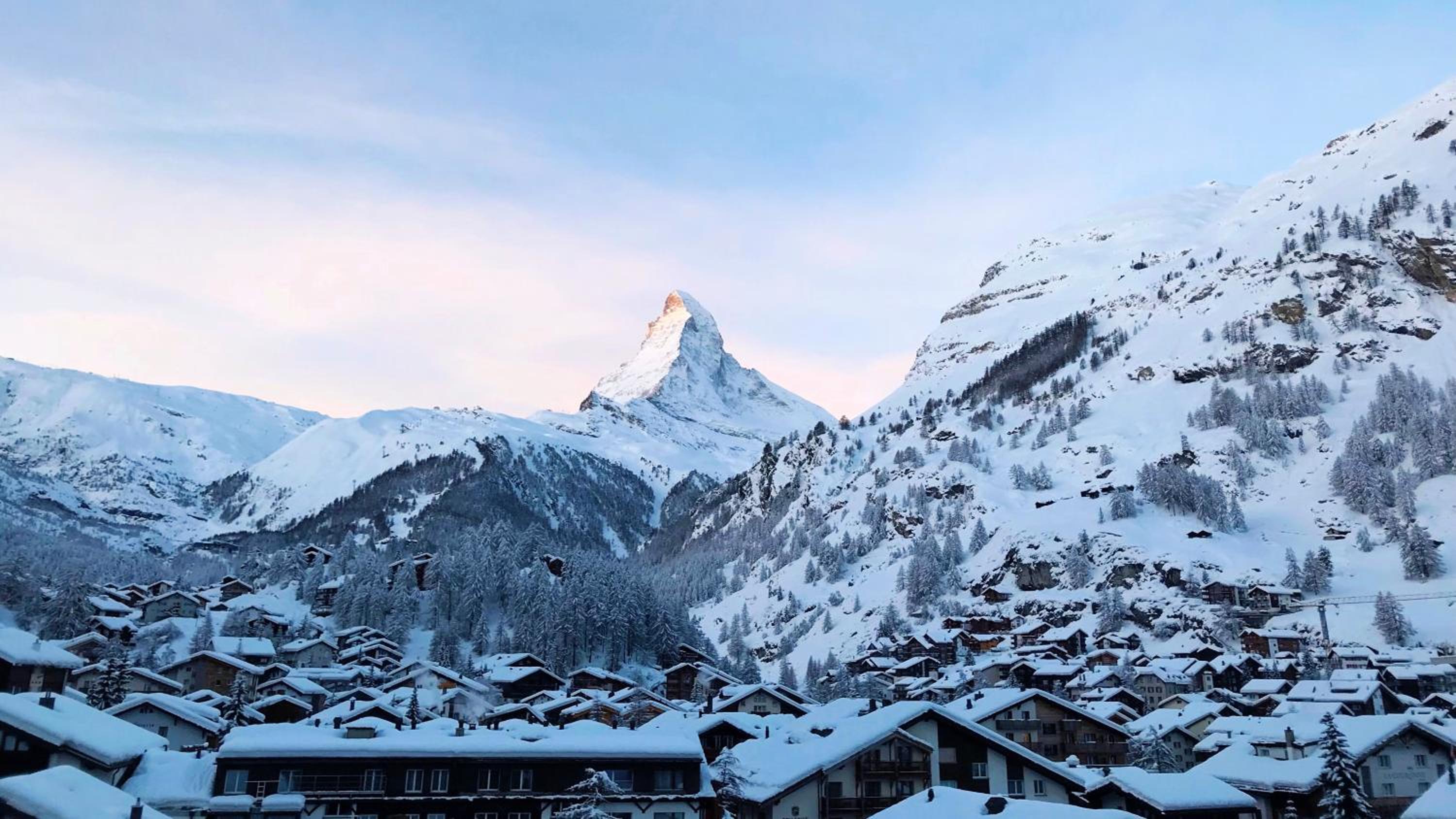
Hotel Capricorn
Riedstrasse 45
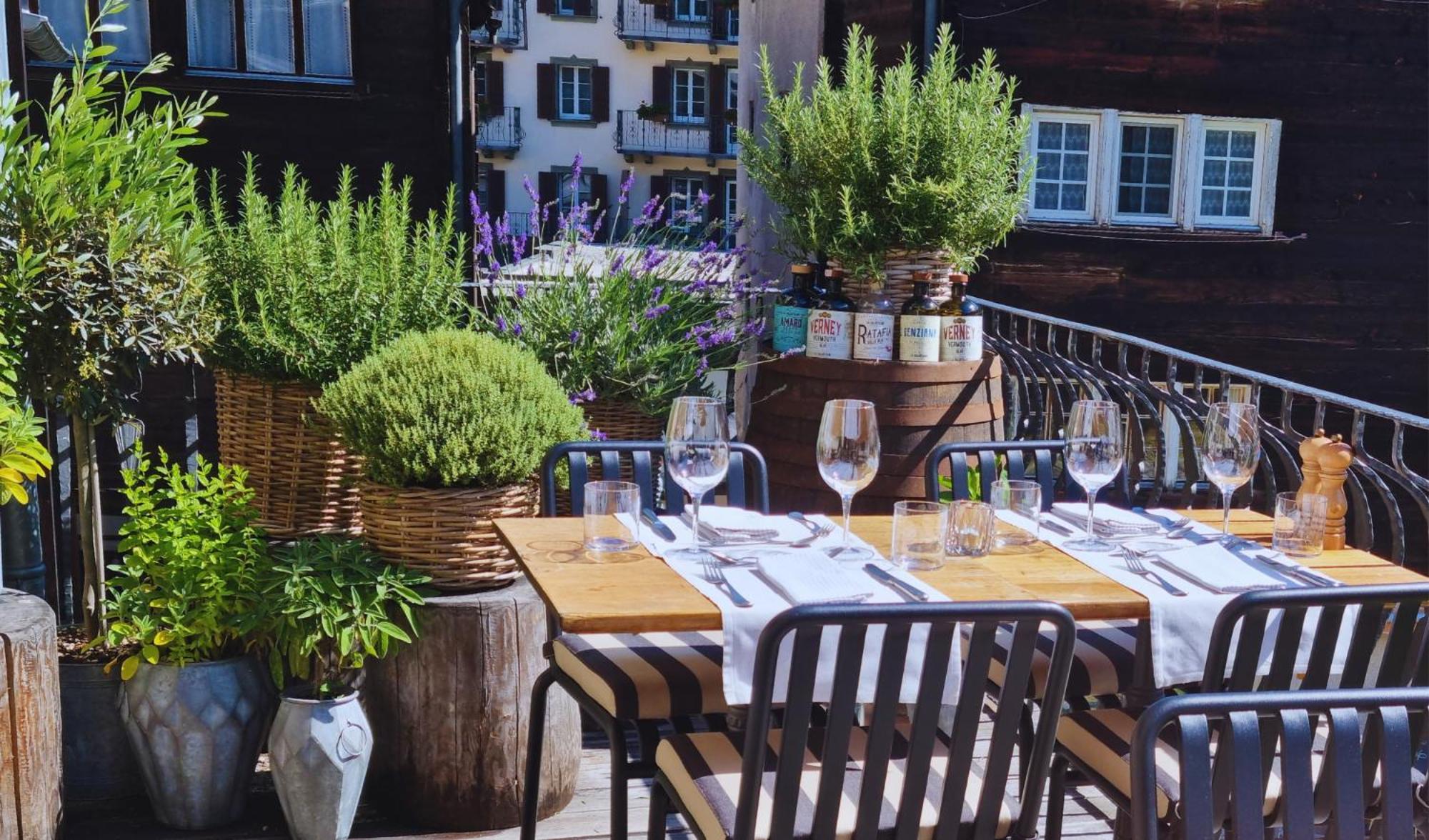
Unique Hotel Post
Bahnhofstrasse 41
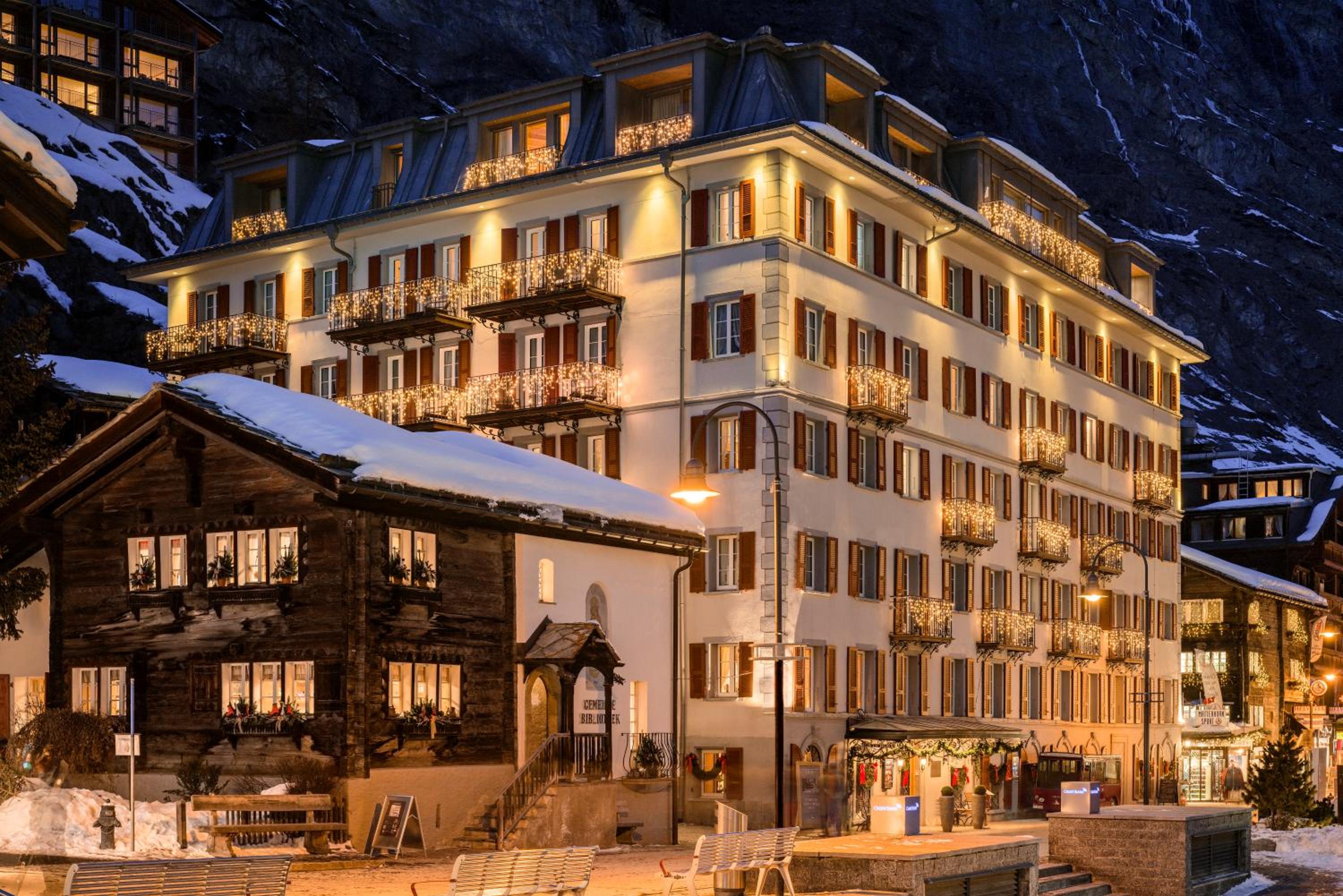
Monte Rosa Boutique Hotel
Bahnhofstrasse 80
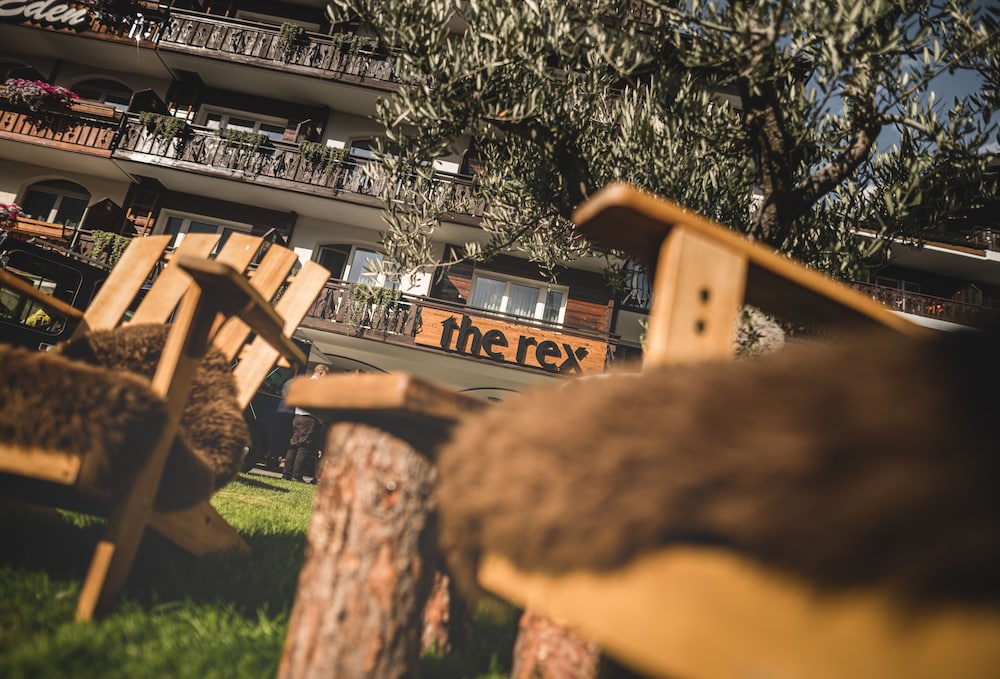
the rex, Zermatt
Riedstrasse 9
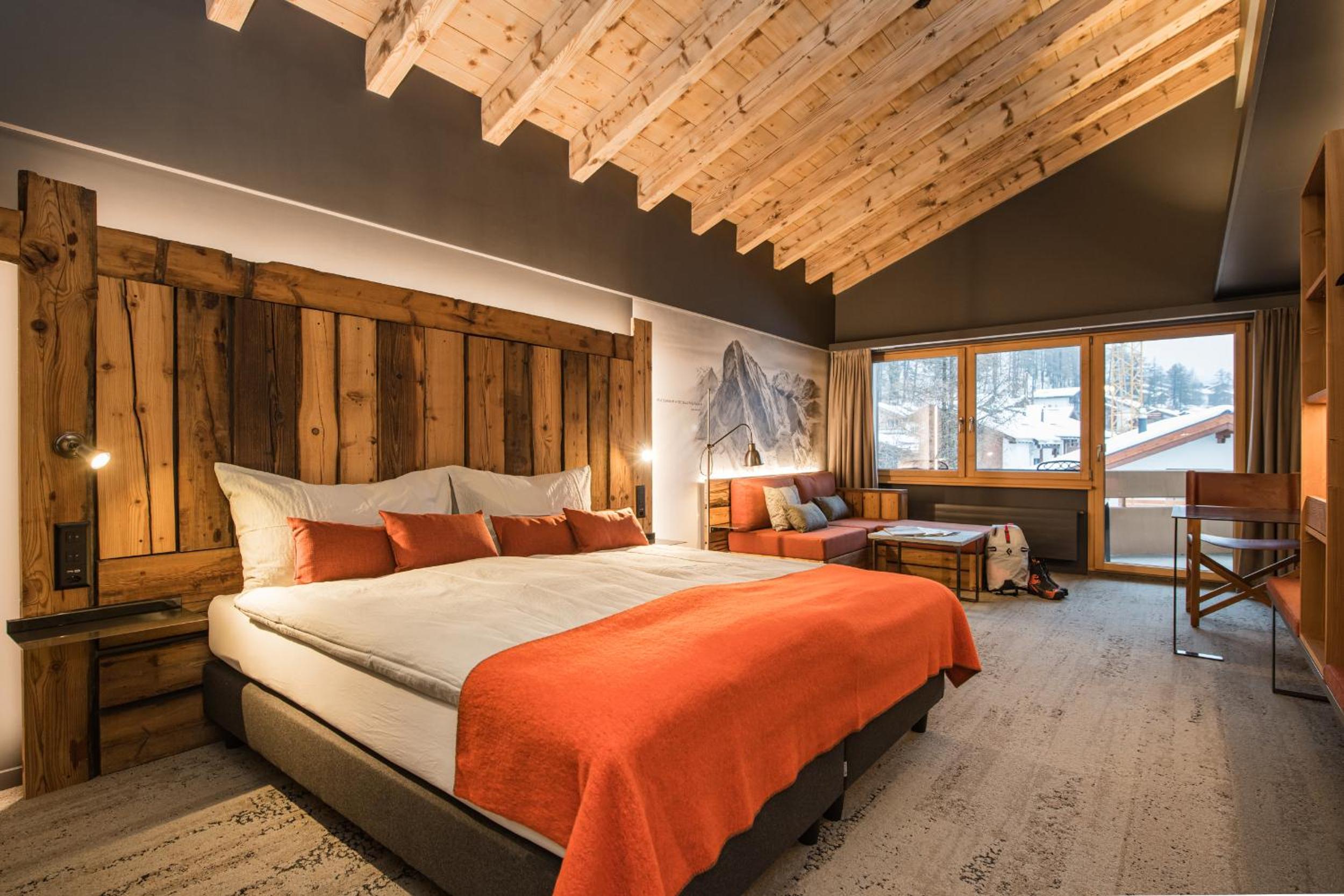
BaseCamp Hotel
Riedstrasse 80
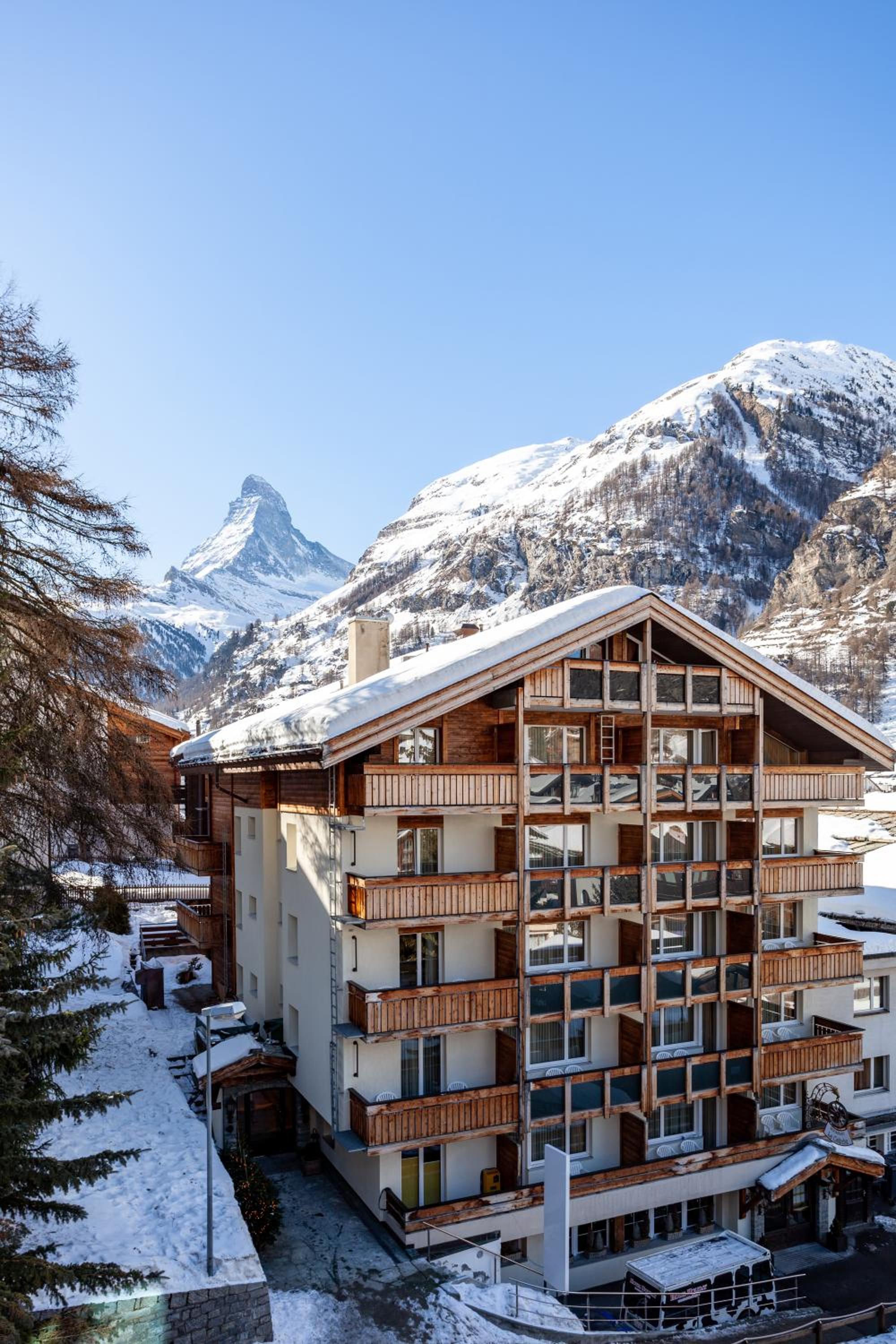
Hotel Holiday
Gryfelblatte 4
Looking for More Options?
Browse thousands of hotels in Zermatt, Switzerland with real-time pricing and availability
Browse All HotelsPowered by our hotel partners
Recommended Restaurants
No restaurants available
Interesting Facts
Zermatt is a completely car-free village, meaning only electric taxis, buses, and horse-drawn carriages are permitted, preserving its pristine Alpine air and quiet charm against the backdrop of the Matterhorn.
The tragic first ascent of the Matterhorn in 1865 by Edward Whymper and his team, though marked by the loss of four climbers on the descent, dramatically transformed Zermatt from an isolated farming community into a world-renowned mountaineering mecca.
Zermatt is home to the highest open-air cog railway in Europe, the Gornergrat Bahn, which ascends to 3,089 meters above sea level, providing breathtaking panoramic views of the Matterhorn and 28 other 4,000-meter peaks.
Over 38 of the Alps' 4,000-meter peaks surround Zermatt, making it an unparalleled high-altitude base camp for mountaineers and hikers seeking some of Europe's most challenging ascents.
Beyond its status as a tourist destination, Zermatt maintains deep roots in traditional Alpine farming, visible in the distinctive Valais Blacknose sheep, which are not only cherished livestock but also a beloved, fluffy mascot for the region.
The Matterhorn, with its iconic pyramidal silhouette, is arguably the most recognizable and photographed mountain in the world, serving as Zermatt's majestic natural monument and a powerful symbol of Switzerland.
Zermatt hosts 'Zermatt Unplugged,' an annual acoustic music festival that transforms the village and mountain slopes into unique stages for international and local artists, establishing Zermatt as a significant cultural hub beyond its winter sports fame.
Despite its modern infrastructure, Zermatt strictly limits the size of its electric vehicles; they must be no wider than 1.4 meters to navigate the narrow historic streets and maintain the village's quaint atmosphere.